

After you’ve watched the video, read the short story “A Luísa tem um carro” below again. Then try to solve the questions before you consult the translation or use a translator. Read as many times as you need. See how much you can understand through context alone. Doing this will allow you to see what you need to work on. A translation is provided below so you check your comprehension (or lack of) after the exercise. Absolute Beginner to Beginner level.
“A Luísa tem um carro”
A Luísa é uma senhora que tem um carro.
Ela gosta muito do seu carro.
A Luísa tem um carro azul e pequeno.
É muito prático e fácil de estacionar.
Como se chama a senhora? = What is the lady called? (What’s the lady’s name?) como = how se chama / chama-se = is called / is named a senhora = the lady Quem é a Luísa? = Who is Luísa? prima = cousin O que tem a Luísa? = What does Luísa have? De que cor é o carro da Luísa? = Of what colour is Luísa’s car? (What colour is Luísa’s car?) azul =blue verde = green roxo = purple A Luísa tem um carro grande ou pequeno? = Does Luísa have a large or small car? grande = big /large pequeno = small A Luísa tem um carro prático? = Does Luísa have a practical car? Por que é que o carro da Luísa é prático? = Why (is it that) Luísa’s car is practical? Por que = why é que = is it that

#1. Como se chama a senhora?

#2. Quem é a Luísa?

#3. O que tem a Luísa?
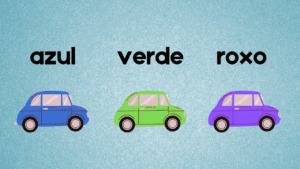
#4. De que cor é o carro da Luísa?
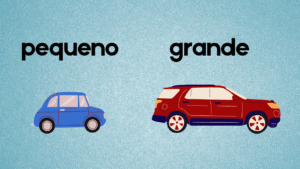
#5. A Luísa tem um carro grande ou pequeno?
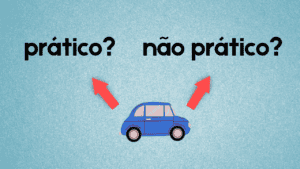
#6. A Luísa tem um carro prático?
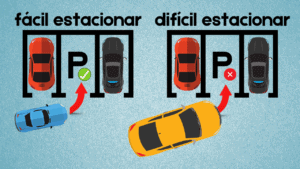
#7. Por que é que o carro da Luísa é prático?


Translations and vocabulary:
“Luísa has a car”
Luísa is a lady that has a car.
She likes her car very much.
Luísa has a blue and small car.
It’s very practical and easy to park.
senhora = lady
tem = has
carro = car
gosta de = likes
azul = blue
pequeno = small
muito = very
prático = practical
fácil = easy