

Whether you are a Portuguese language learner, a new resident or an adventurous tourist exploring this enchanting country, it is crucial to inform yourself about Beach Safety in Portugal. Portugal’s coastline offers a world of adventure, and by equipping ourselves with knowledge and prudence, we can revel in its beauty while safeguarding against potential hazards. Enjoy your holidays along the shores, savour the delights of the Portuguese language, and relish in the wonders of my country.
Beach Zones
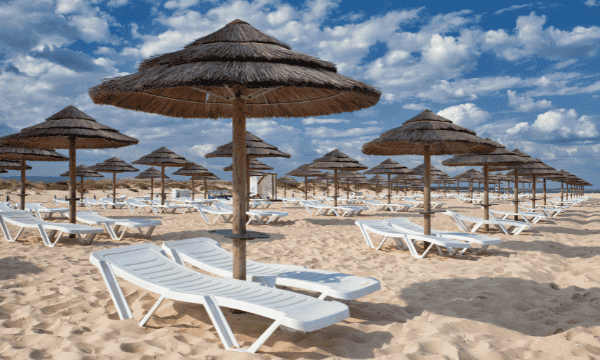
The swimming season is called Época Balnear and usually runs between May and September. Not all beaches start and end on the exact same dates, so it’s wise to double-check with local authorities in your area regarding the beaches you go to. Why does this matter? Only beaches with an open swimming season will have lifeguard surveillance within designated zones and also designated zones for setting up your own parasol if you chose to not rent one.
The different zones are well-signalled with signs, ropes and flags.
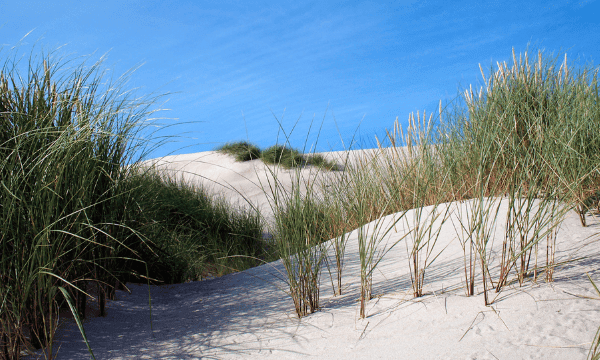
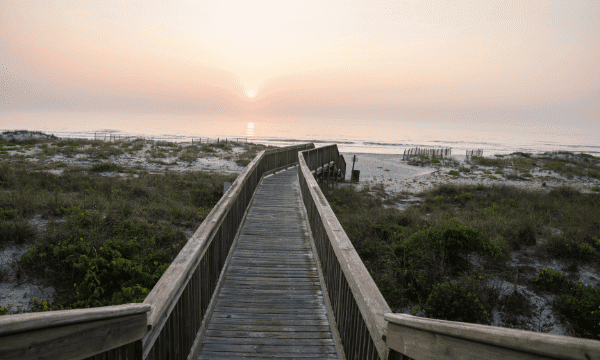
The dunes are protected areas and we are not allowed to walk, cycle, sit or set up parasols in these areas. Please use naturally formed paths or manmade walkways.
Beach Flag Colours
One of the first things everyone should take notice of when arriving at the beach in Portugal is to check what colour the beach flag is. Beach flags limit the area that is under surveillance and inform people what the current conditions of the sea are.

The Green Flag goes up when the sea is calm, so it is safe to swim and bathe, provided you comply with all safety rules and recommendations for the location.

The Yellow Flag means “caution”. It means that the sea is bad and that swimming in this place is not recommended. Lifeguards will also hoist this flag when there is a strong sea current present.

The Red Flag indicated that the sea is dangerous and one should avoid even entering the water. This flag is a warning of the utmost importance and should be promptly complied with.

A checkered flag means the beach is temporarily not maned. So no lifeguard is present during this time.

A yellow and red flag indicates the recommended swimming area and the absence of rip currents. See further information on rip currents below.
Regardless of the flag, there is always a risk. When going bathing, the person should be careful not to exceed waist-high water, not to venture into deep places, reducing the risk of drowning or being swept away by the current.
Colonel Onir Mocellin – Fire Department Commander

The blue flag is not a safety flag. It’s always at the entrance of a beach that has been awarded the status of clean and unpolluted.
Other dangers to watch out for
Aside from the flags, there are other potential dangers you may not be aware of. Whether you’re eager to expand your Portuguese vocabulary for safety concerns or seeking expert advice from lifeguards, this is the section you won’t want to miss. Get ready to continue delving into the topic of beach safety in Portugal and finding out what should do if you face these dangers. Hold on to your chapéu!
Rip current
Rip currents can be deadly! We call them “gola” or “agueiro” and you may also hear “corrente de retorno“. They are responsible for 80% of death by drowning. The trouble with these is they can form anywhere at any time even if the flag is green.
How can you spot them? If you’re on the beach you’ll be able to notice them if you keep a sharp eye.
If you notice an area in the water that looks different:
- different colour
- waves are not breaking
- foam on the surface of the water
- the current seems to be going in the opposite direction to the waves
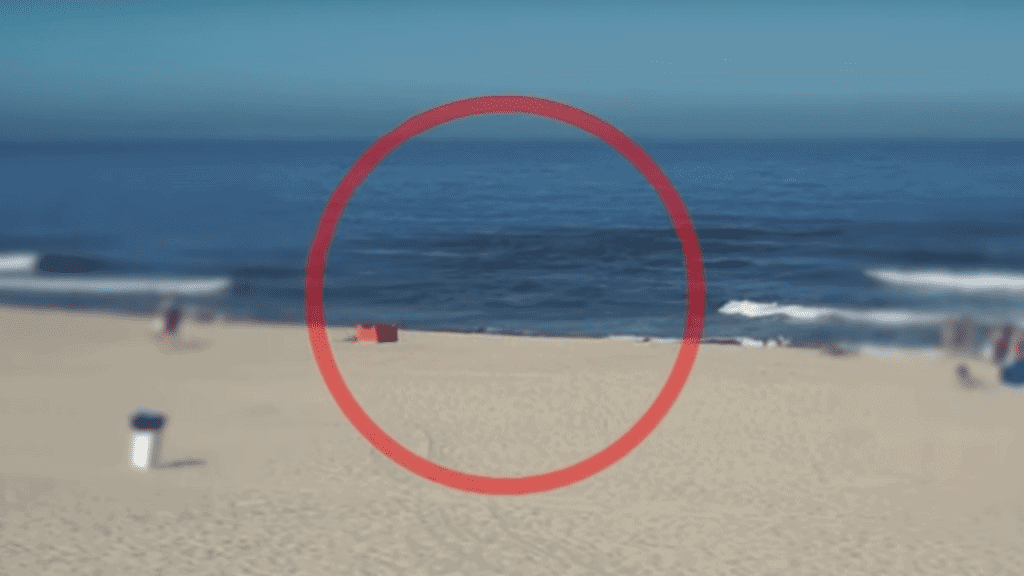
then you’re in the presence of a rip current Do not enter the water in this area
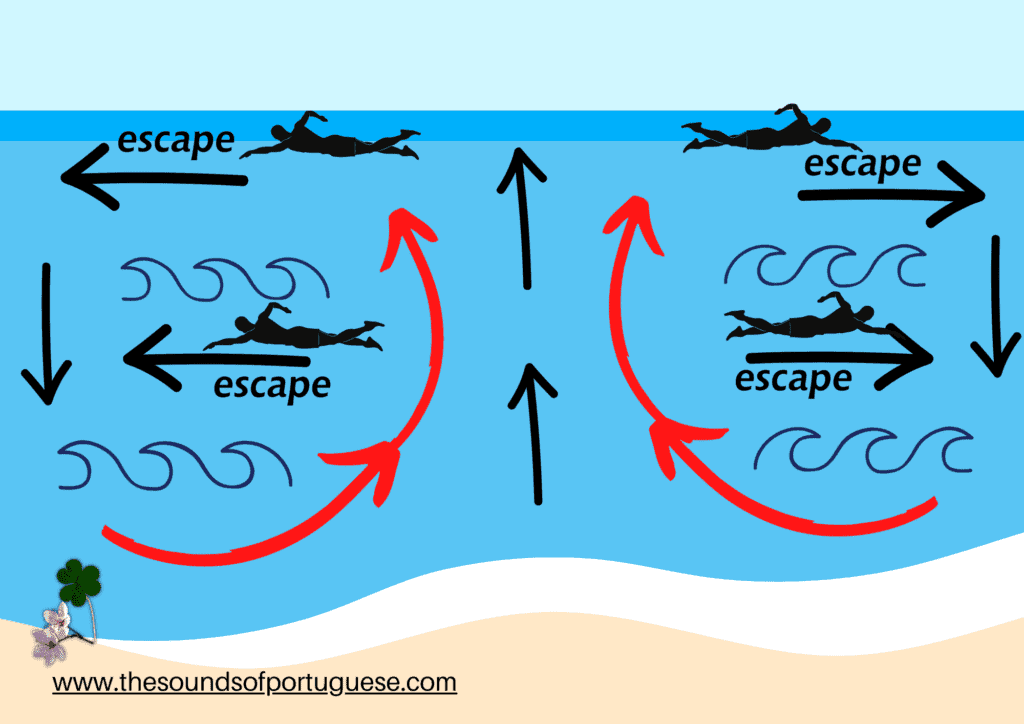
However, we can’t always spot rip currents nor are we always paying attention, so we still can be swept up in one. You’ll know, because suddenly you’ll notice you can’t swim to shore and seem to be going further out to sea. The most important thing to do in this situation is to REMAIN CALM and signal for help by waving your arms in the air. Then SWIM PARALLEL TO THE SHORE.
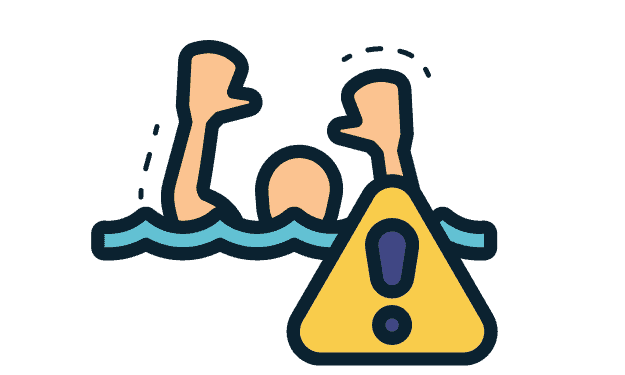
Do NOT attempt to swim directly to shore. You’ll risk getting too tired and that’s how drownings occur. Even though the current won’t pull you under it’s too strong and you simply cannot outswim it.
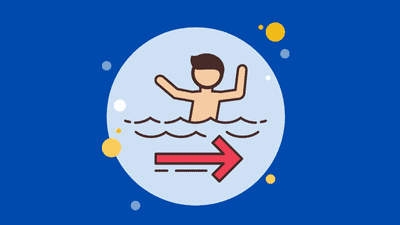
After swimming parallel to the shore you should be able to feel when you’re no longer being pulled out to sea. When that happens, you’re out of danger and you can swim back to shore safely.
Lesser Weever
Hiding under the sand is one of the worst dangers to Portuguese beachgoers, especially in the Algarve. Small and almost impossible to see are what we call peixe aranha known as the Lesser Weever in English.
For language learners seeking to navigate the local waters, understanding the dangers of the Peixe Aranha becomes an essential part of their vocabulary journey. Mastering phrases such as “Beware of the Lesser Weever” and “Poisonous fish” empowers you to communicate the potential peril to fellow swimmers or beachgoers, promoting safety and awareness.
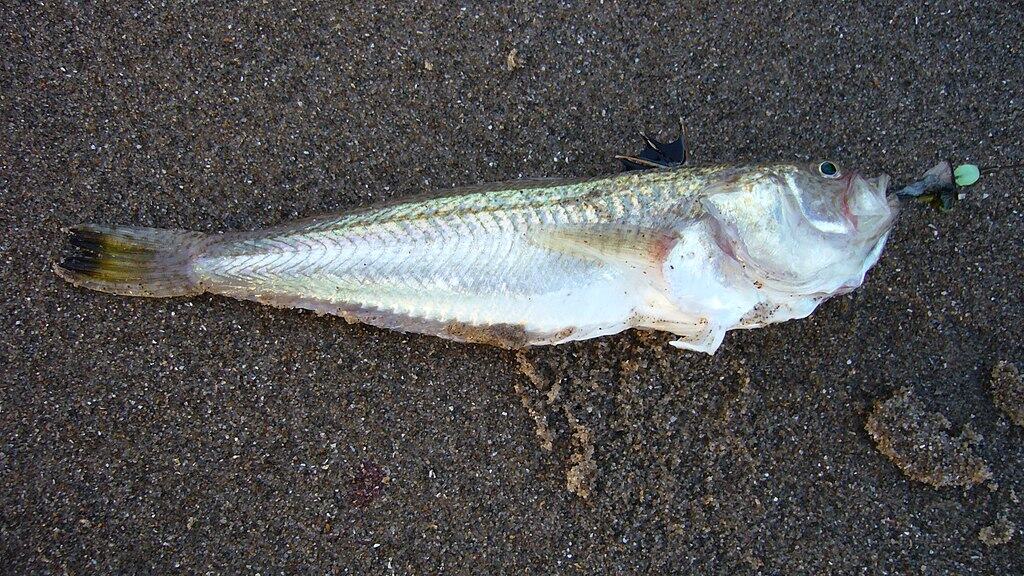
The peixe aranha is common in the temperate waters of the Atlantic, such as the Portuguese coastline and the Mediterranean Sea. It can be between 14 and 46 centimetres long, with smaller ones being more common. The species lives most of the time buried in the sand, so it goes easily unnoticed, thanks mainly to the yellowish tint of its scales. IT IS VERY COMMON in the Algarve, so be careful!
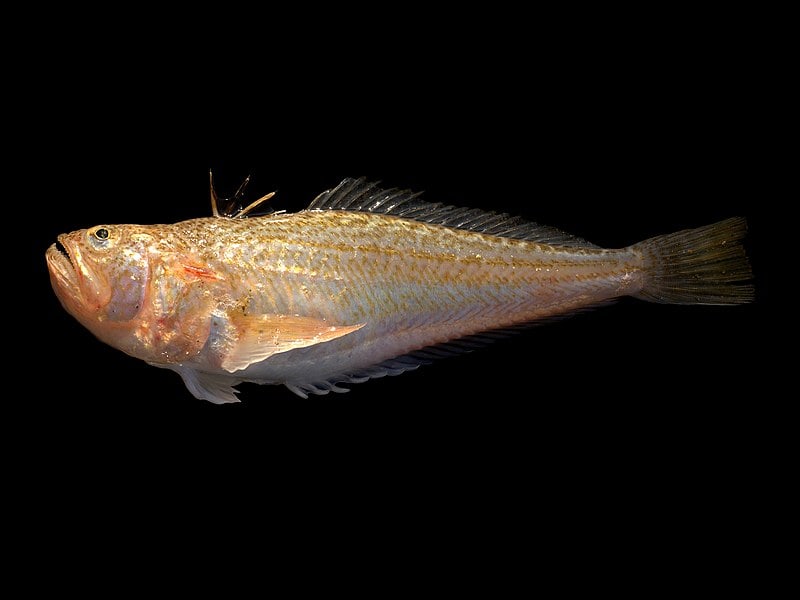
It possesses six venomous spines on its dorsal side. When stepped on, the delicate membrane protecting these spines ruptures, releasing the toxin. The resulting pain can be excruciating, with intensity varying depending on the extent of contact. In case of an encounter, the initial course of action is to promptly seek assistance from a qualified lifeguard trained in handling such situations. Following that, it is crucial to cleanse the wound with saltwater – avoiding freshwater.

Heat neutralises the venom, so apply heat immediately to the site of the sting for a period of 15 to 30 minutes. Burry the affected area in hot sand (not burning) or place it in hot water if available. A lighter may prove useful, by bringing the flame close to the affected area BUT NOT TOUCHING THE SKIN. Don’t burn yourself. Best let a trained professional handle it such as a doctor or lifeguard.
Jellyfish and Portuguese Man-o-War
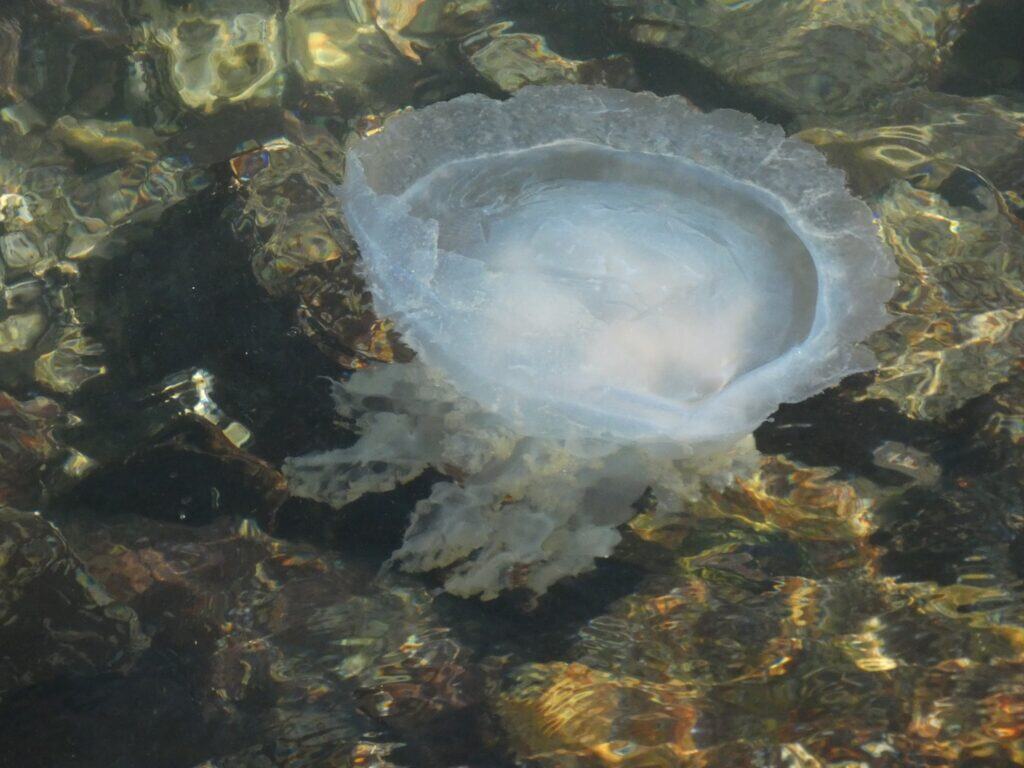
Jellyfish, known as alforrecas, medusas or águas-vivas have a mushroom-shaped, gelatinous body. The long, thin tentacles under the body are covered with small, poisonous stinging cells. Jellyfish live in various parts of the world and in waters of varying depths.

The Portuguese Man-o-War, known as Caravela Portuguesa, is often mistaken for a jellyfish, but it is not. Although it looks like a single creature it is not. This is a heteromorphic organism, that is, a colony of organisms in which each one has a specific function, they are not connected anatomically but work together. It floats across the oceans pushed by the wind, unlike swimming jellyfish. Its resemblance to the caravels used by medieval Portuguese sailors was the reason it was given this name.
It has a pouch filled with bluish-purple gas and tentacles, which can reach up to 20 metres in length, which makes its bite very painful and can cause serious burns. It tends to stay on the water’s surface during less sunny hours, so it is more likely to be found in the morning, late afternoon and evening.
What to do if you get stung
Get out of the water quickly and go immediately to the lifeguard for help. If you are on an unsupervised beach, where this is not a viable option, there are some measures you can take:
- Wash the area with seawater, carefully and without rubbing;
- Do not use fresh water, alcohol or ammonia on the affected area;
- To relieve the pain, the most effective treatment is to remove the fragments of tentacles that are present on the victim. To do this, use gloves, plastic tweezers, saline solution or seawater. Do not attempt to remove the fragments directly with your hands;
- Once you remove the tentacles, apply hot bands or another heat source to the area for about 20 minutes to help relieve pain and inflammation;
- The use of vinegar may be considered, although it is controversial, to prevent the release of toxins. Under no circumstances should urine or alcohol be applied to the affected area;
- Apply a thin layer of burn ointment; If after these steps you feel no pain relief, you should seek medical help in a hospital emergency room.
Safety measures source: Hospital da Luz
The Sun
It’s no secret that Portugal has a sunny climate! As you indulge in the splendours of Portugal’s sun-drenched landscapes, it is crucial to prioritize your well-being by protecting yourself from the harmful effects of UVB and UVA rays. The radiant Portuguese sunshine offers countless delights, but prolonged exposure to these invisible rays can have detrimental effects on your skin and overall health.
EVEN ON OVERCAST DAYS. Just because it’s cloudy doesn’t mean the UVA & UVB is low.
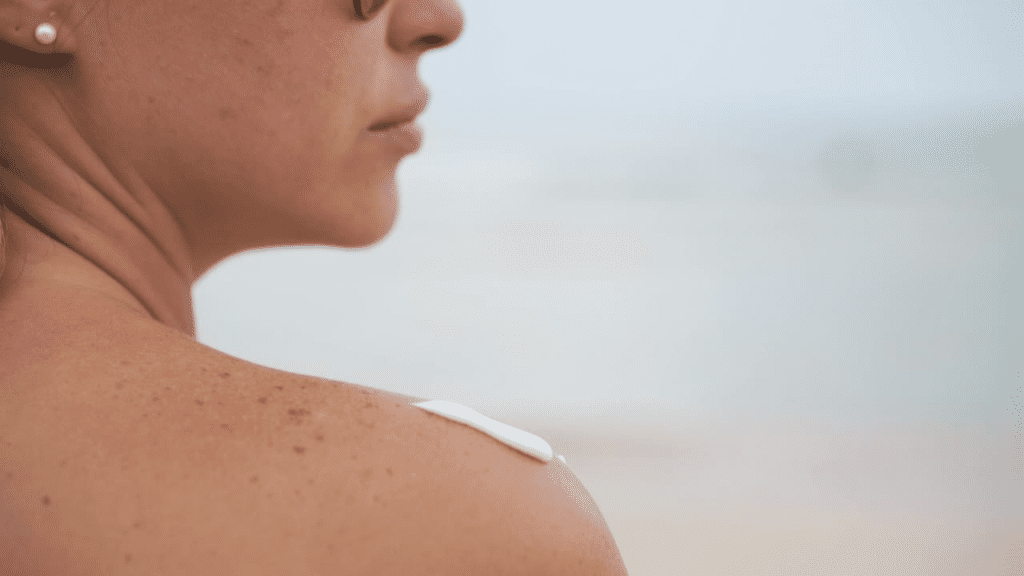


UVB rays are responsible for sunburns and immediate damage to the outer layers of your skin. They are at their strongest between 10 am and 4 pm when the sun is high in the sky. UVA rays, on the other hand, penetrate deeper into the skin and can cause long-term damage, leading to premature ageing, wrinkles, and even an increased risk of skin cancer. They are present throughout the day, even on cloudy days and in shaded areas.
Safeguard against these relentless rays:
- Apply Sunscreen: Before stepping out into the Portuguese sunshine, generously apply a broad-spectrum sunscreen with a high SPF (Sun Protection Factor) of at least 30. Ensure it protects against both UVA and UVB rays, and remember to reapply every two hours, especially after swimming or sweating.
- Seek Shade: When the sun is at its peak, seek shelter in the shade. Portable sun umbrellas, wide-brimmed hats, and sun-protective clothing are valuable allies in shielding yourself from direct sunlight.
- Wear Sunglasses: Protect your eyes from harmful UV rays by wearing sunglasses that block 100% of UVA and UVB radiation. Look for sunglasses labelled as having UV protection.
- Hydrate: As you bask in Portugal’s radiant sunshine, remember to stay hydrated by drinking plenty of water. This not only helps maintain your overall well-being but also keeps your skin healthy and resilient.
- Plan Outdoor Activities Wisely: Consider scheduling outdoor activities outside of peak sun hours, typically before 10 am or after 4 pm, when UV radiation is less intense.
Another aspect of the hot sun is walking barefoot on the dry sandy areas of the beaches. In the height of summer, the sand can get very hot. So don’t forget your shoes or try to make it to the wet sand quickly.
The Wind
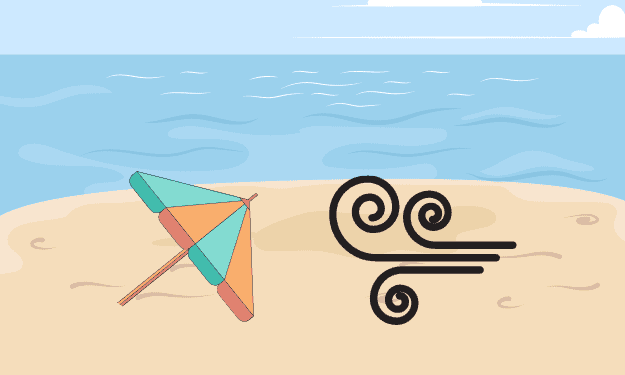
This last one is possibly obvious but often overlooked. On extremely windy days, the ones where the sand is flying, please make sure you secure the parasol firmly by burying it deep in and laying it as close to the sand as possible. Also, open it at an angle opposite to the direction of the wind. Trust me, you don’t want to be running after a tumbling out-of-control beach umbrella potentially hurting someone. Though this is rare, there have been tragedies in which people have died, impaled by beach umbrellas. If not having an umbrella isn’t an option you can always rent a palhota at the beach.
So, dear language learners and intrepid travellers, as we conclude this Beach Safety in Portugal Guide, you’ll know that by equipping ourselves with knowledge and prudence, we can revel in Portugal’s coastline’s beauty while safeguarding against potential hazards. Enjoy your outings along the shores, savour the delights of the Portuguese language, and relish in the wonders of this remarkable country.
Weather in Portugal | Portuguese Culture | The Portuguese Learning Hub