
The winter season of 2024/25 saw a high frequency of rain in Portugal! It was reminiscent of my childhood when my friends and I wore wellies and carried brollies to school. Back then my school didn’t have heating and we would have to wait outside the classrooms in the rain between classes. I greatly disliked those days as I’d end up sitting in wet trousers all day long. However, this rain has been a blessing and a welcome change to the severe drought we’ve experienced in the Algarve in the last ten years…this is much to the dismay of the new residents in Portugal. Don’t worry, once the heat and sun hit you’ll be longing for some coolness by the time November rolls around. But this got me thinking the other day about how storms are named in Portugal.
How are storms named in Portugal?
We usually refer to storms as depressions in Portugal. When they approach the country, you will hear names like Óscar, Nelson, or Irene being mentioned in weather reports (previsões). But did you know that these storms are named in a structured way? We’ll explore how storm names are chosen next, why they matter, and some of the most memorable storms that impacted my country.
Why Do Storms Have Names?
Naming storms helps meteorologists, authorities, and the general public communicate clearly about potentially dangerous weather events. A storm with a name is easier to track in the news, making it more recognizable and helping people take necessary precautions.
In Portugal, storm naming follows the European system, where meteorological institutions collaborate to assign names to significant weather events.


Who Decides the Names?
Portugal is part of Grupo Sudoeste, a consortium of meteorological services from Portugal, Spain, France, and Belgium. These countries work together to name storms that are expected to have a major impact in their regions. The names are selected before the storm season begins, following an alphabetical list that alternates between male and female names.
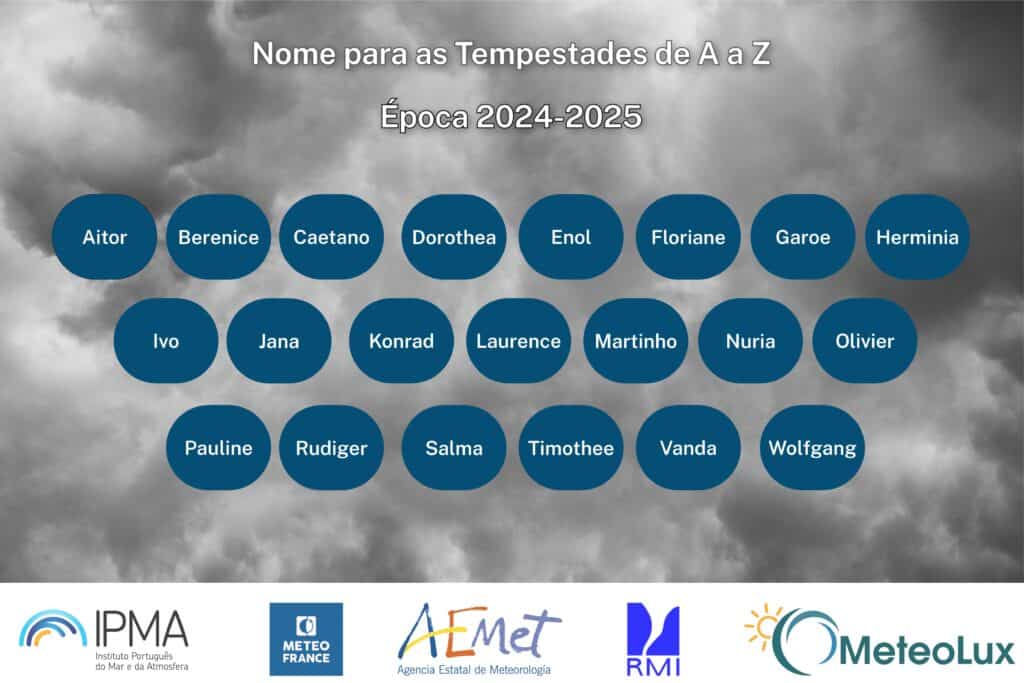
If a storm originates elsewhere in Europe and has already been named by another meteorological service, Portugal and its neighbouring countries will adopt the existing name to maintain consistency.
When Does a Storm Get a Name?
Not every storm receives a name. For a storm to be officially named, it must meet certain criteria, such as:
- Expected wind speeds of more than 90 km/h
- Significant risk of damage or disruption
- Potential to impact large areas of Portugal or neighbouring countries
If a storm does not meet these thresholds, it remains an unnamed weather system.

Are Storms Common in Portugal?
We do not experience storms as frequently or as intensely as some other regions, like Ireland, the Caribbean or others. However, we are affected by extratropical storms and depressions, particularly in autumn and winter. These storms can bring heavy rainfall, strong winds, and coastal flooding.
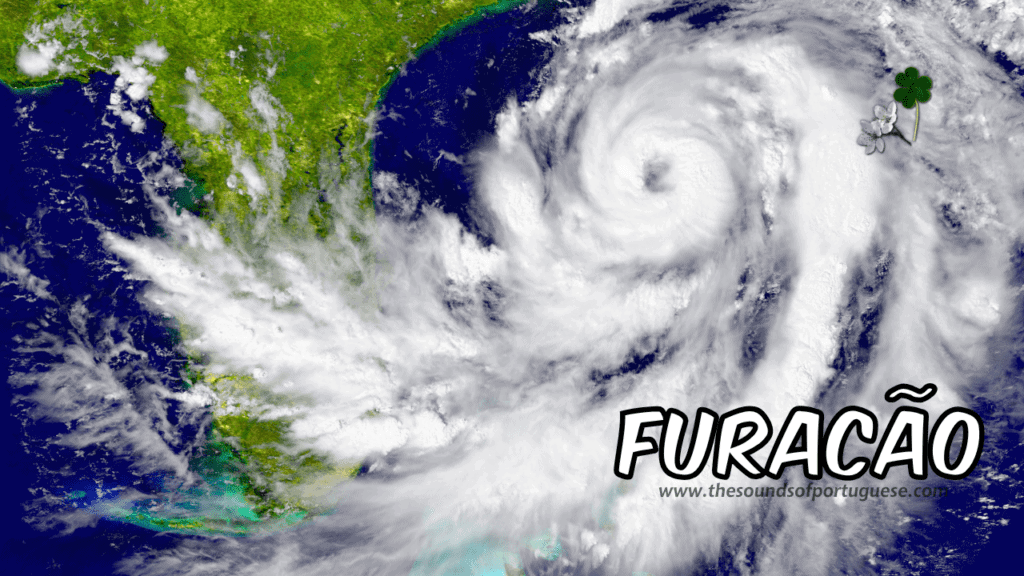
Occasionally, Portugal is also impacted by the remnants of tropical storms and hurricanes that weaken as they travel across the Atlantic. One of the most notable examples was Hurricane Leslie (2018), which arrived as a post-tropical cyclone but still caused significant damage.
While storms are not a daily occurrence, the growing unpredictability of weather patterns due to climate change means that severe storms may become more frequent in the future.
Some Memorable Named Storms in Portugal
Over the years, Portugal has faced several intense storms with memorable names. Here are a few:
- Tempestade Leslie (2018) – One of the strongest storms to hit Portugal in recent years, causing widespread damage and power outages.
- Tempestade Elsa (2019) – Brought heavy rain and flooding across Portugal.
- Tempestade Óscar (2023) – Caused intense rainfall and strong winds, particularly affecting Madeira.
Want to Name a Storm?
Although the official names are selected in advance, it’s always fun to imagine creative names for future storms! If you had the chance to name a storm, what would you call it? Let us know in the comments below – and in Portuguese! 🌪️
Stay safe and stay informed!
Back to Weather in Portugal | Portuguese Culture | The Portuguese Learning Hub