

Test your memory and see if you can remember what all of these Portuguese idiomatic expressions mean. If you missed the lesson on some of these then read it first over here.
Literally: “to discover someone’s bald head”, but the meaning is “to find out someone’s embarrassing/compromising secrets”. It’s similar to “skeletons in the closet”. Literally: “putting water”, but the meaning is similar to ” screwing up” (usually in a bad way too!) Literally: “to bend the spring”, but the meaning is “to get to work” as in start work or “to work hard”. It’s similar to “nose to the grindstone”. Literally: “to talk through the elbows” but the meaning is “someone who talks a lot” (or too much / a chatterbox). Literally: “to close at seven keys”, but the meaning is “to keep something very safe”. It is similar to the English expression “to keep under lock and key.” Variations of this expression include: “trancar a sete chaves” and “guardar a sete chaves” (“to lock at seven keys” and “to keep at seven keys”) Literally: “to remain to see ships”, but the meaning is “to be disappointed or to have been swindled. Literally: “to put the duck in the puddle”, meaning, to make a huge mistake / a blunder. Literally: “to go to the eye of the street”. This one means “to be fired” or “kicked out”. Literally: “A bug of seven heads”. The meaning of this expression is for saying that something or a certain situation is extremely difficult or complicated. Literally: “between the sword and the wall”, this one is for saying you’re in a complicated situation, or all choices ran out. Similar to saying “between a rock and a hard place.” or “having your hands tied.”

#1. What does “descobrir a careca” mean?

#2. “meter água” means:

#3. What does “vergar a mola” mean?

#4. “falar pelos cotovelos” means:
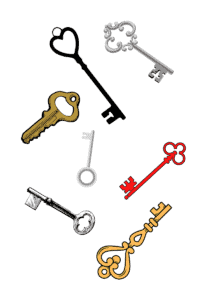
#5. What does “fechar a sete chaves” mean?
#6. “ficar a ver navios” means:
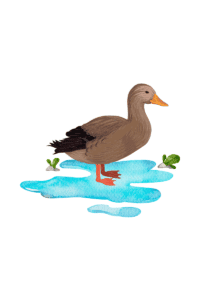
#7. What does “pôr a pata na poça” mean?
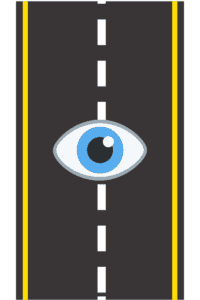
#8. “ir para o olho da rua” means:

#9. What does “um bicho de 7 cabeças” mean?
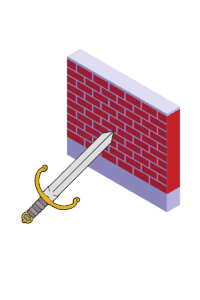
#10. “entre a espada e a parede” means:


How did you do? If you’d like to try more please go back to Language Comprehension Quizzes