

There is a deep-rooted seafaring heritage in Portugal, a country blessed with a long coastline. The celebration of São Pedro holds a special place in the hearts of coastal communities.
São Pedro is an enchanting festival that pays homage to the patron saint of fishermen and seafarers. This is because in the Bible, Peter was a fisherman. Jesus called him while he was fishing. He became one of the Twelve Apostles. This is why fishing communities adopted him as their patron.
With lively processions, boat parades, and a great atmosphere. The São Pedro celebration invites locals and visitors alike to immerse themselves and revel in the coastal merriment. Join us as we embark on a journey into the captivating world of São Pedro in Portugal!
- Honouring the Patron Saint of Fishermen
- Who was Saint Peter?
- Portuguese vocabulary
- Saints in Portuguese Culture
- Coastal Communities Alive with Festivities
- Processions and Blessing of the Boats
- Boat Parades and Seafront Celebrations
- Gastronomic Delights from the Sea
- As Rusgas de São Pedro
- Conclusion
- Is São Pedro's Day a National Holiday?
- Related Posts for further reading:
Honouring the Patron Saint of Fishermen
The 29th of June is the Day of São Pedro. It serves as a tribute to St. Peter, the protector of fishermen and those who make their livelihoods at sea. The festival holds immense significance in coastal towns and villages. Where fishing is a way of life, and the sea is revered as a vital source of sustenance and inspiration.
Who was Saint Peter?
According to the Bible, Saint Peter (São Pedro) was one of Jesus Christ’s first disciples and was originally a fisherman from Galilee. He is often regarded as the leader of the apostles and is closely associated with the sea and the fishing trade.
In the Gospel of Matthew, Jesus says to Peter:
“Tu és Pedro, e sobre esta pedra edificarei a minha Igreja.”
(Mateus 16:18)
“You are Peter, and on this rock I will build my Church.”
Because of his profession and his important role in Christianity, Saint Peter became the patron saint of fishermen, sailors, and many coastal communities throughout Portugal.
Portuguese vocabulary
Let’s look at some useful Portuguese vocabulary related to this holiday:
- o pescador (fisherman)
- o mar (the sea)
- o barco (boat)
- a rede (net)
- o porto (harbour)
- a pesca (fishing)
Saints in Portuguese Culture
Although these celebrations are rooted in the Catholic tradition, today they are enjoyed by people from many different backgrounds. For many Portuguese people, the Santos Populares are as much a cultural celebration as a religious one, bringing together neighbourhoods, families, music, food, and local traditions.
In the Catholic Church, saints are not worshipped but honoured as examples of Christian faith and devotion. Many towns and cities in Portugal have patron saints, and annual festivities are often held in their honour.
Coastal Communities Alive with Festivities
From Afurada to the historic city of Póvoa de Varzim, many communities across northern Portugal, in particular, come alive during São Pedro. Streets and fishing boats are decorated beautifully. And we can feel a palpable sense of excitement filling the air as locals prepare for the festivities. Two highlights of these festivities are the blessing of the boats in Afurada and the Rusgas de São Pedro in Póvoa de Varzim.
Processions and Blessing of the Boats
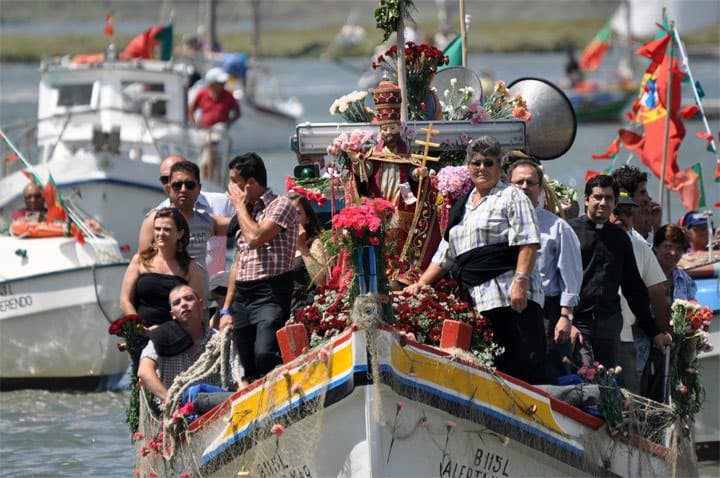
One of the highlights of São Pedro is the many processions in the municipalities that celebrate it. These processions wind their way through the streets, showcasing the strong connection between the communities and the sea. Iconic statues of St. Peter are carried aloft by colourfully dressed fishermen and women, creating a mesmerising spectacle. One such procession can be seen in São Pedro da Afurada. And by the waterfront, in Afurada, a poignant ceremony known as the “Blessing of the Boats” takes place. This is where boats and ships get their blessing for safe voyages and bountiful catches. This ritual is filled with symbolism and serves as a reminder of the deep respect the communities hold for the sea.
Boat Parades and Seafront Celebrations
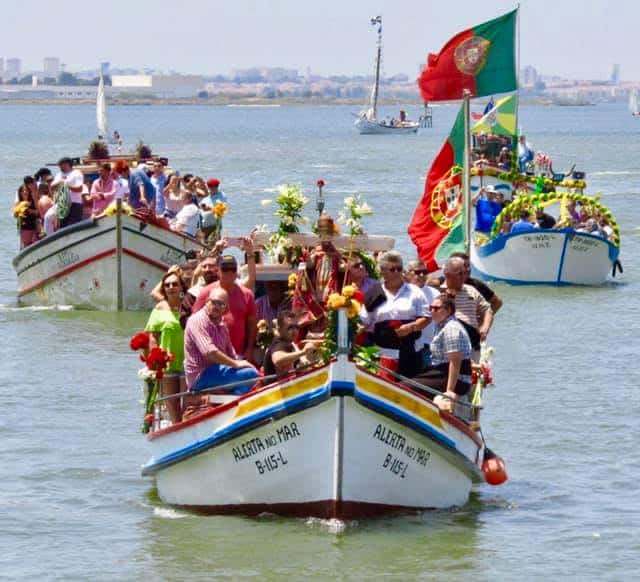
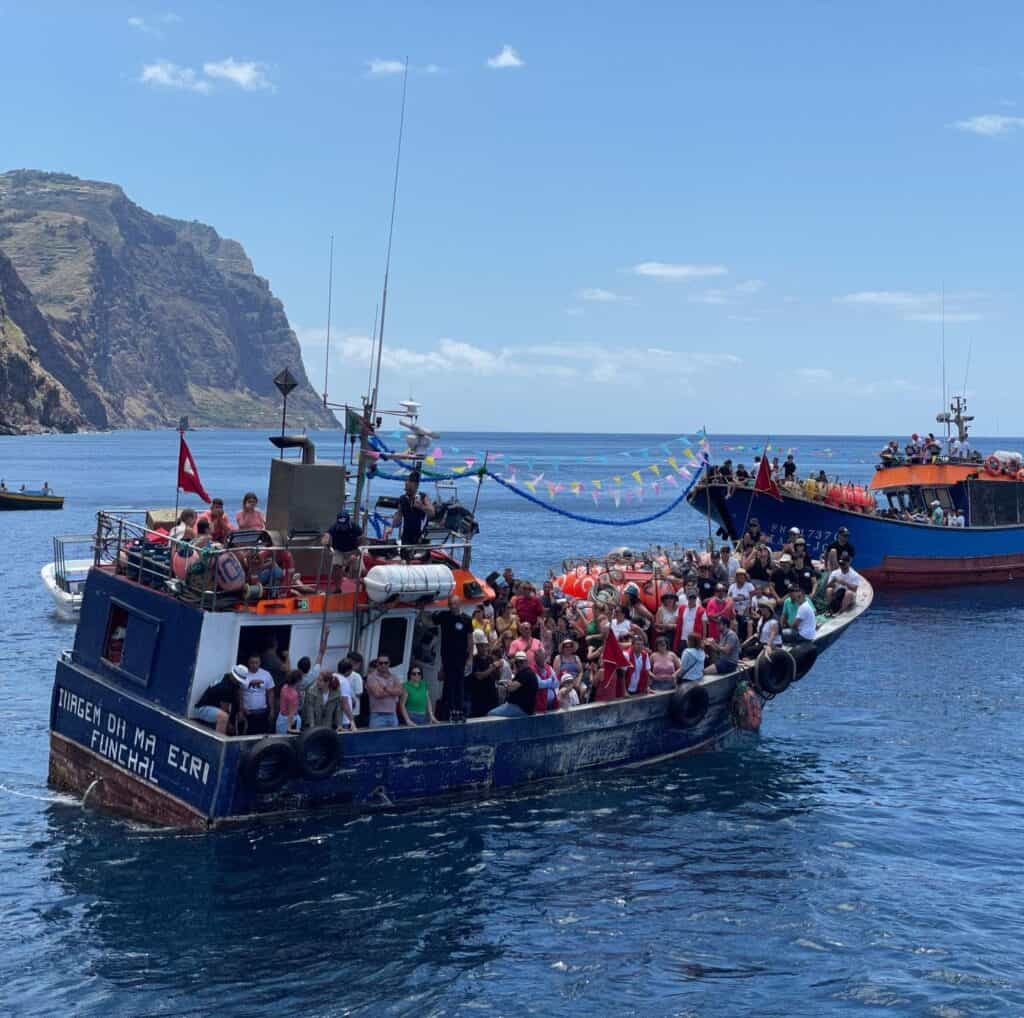
Fishing and pleasure boats take to the water in a display of dazzling boat parades. Bedecked in colourful flags and bunting, the boats sail along the coast, accompanied by cheering crowds and lively music. It’s a visual feast that celebrates Portugal’s maritime traditions and the unity of coastal communities. Along the seafront, lively markets, street performances, and open-air concerts create a festive atmosphere. Where locals and visitors come together to revel in the joyous spirit of São Pedro.
Gastronomic Delights from the Sea
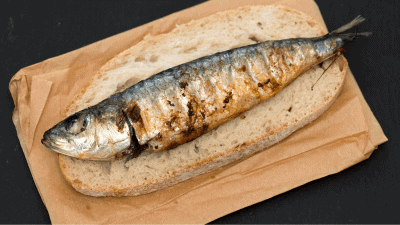
Just like São João, São Pedro is an occasion to indulge in Portugal’s rich culinary heritage. Restaurants and food stalls offer a bounty of mouthwatering seafood dishes, ranging from freshly grilled sardines and caldo verde. Visitors have the opportunity to savour the flavours of the sea, perfectly complementing the coastal celebrations.
As Rusgas de São Pedro
The Rusgas de São Pedro are lively street processions on the night of June 28th, during the São Pedro Festival. They are similar to the Marchas de Santo António and São João. The streets of Póvoa de Varzim are filled with colour, music, dance, and joy as residents, organised in groups known as “rusgas,” parade through the city.
Each “rusga” represents a particular neighbourhood or community group (traditionally 6 in total), and they compete for the best performance and costumes. The participants wear traditional attire, often depicting fishing-related themes, and carry banners, flags, and lanterns. Traditional music, typically played with brass instruments and drums, accompanies the procession. The participants sing and dance as they make their way through the streets, creating a vibrant atmosphere.
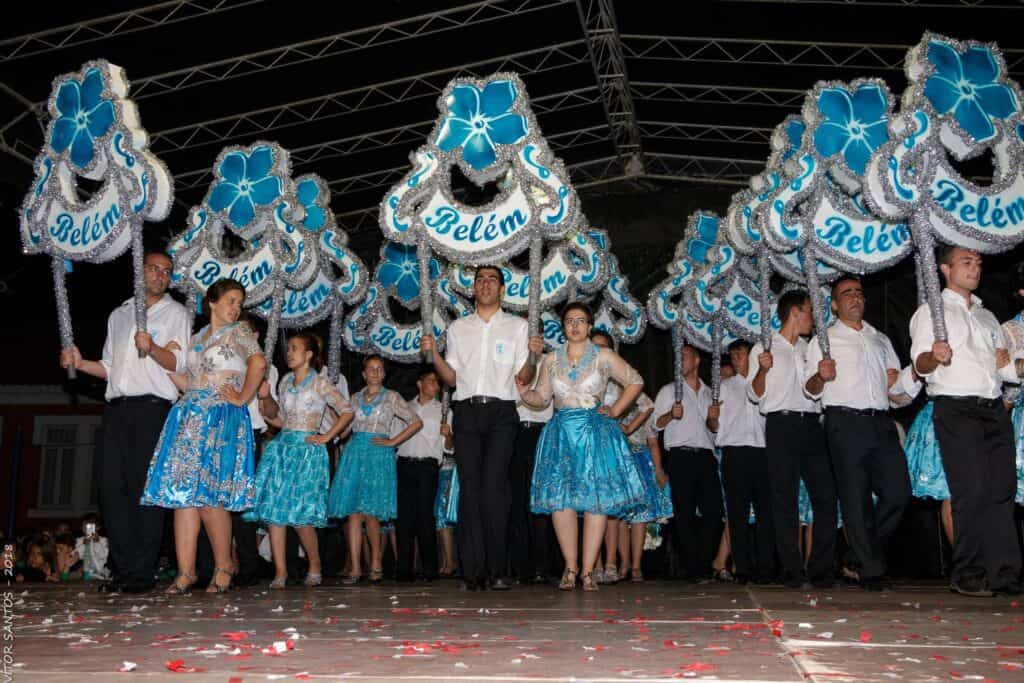
The Rusgas de São Pedro celebrate the city’s strong maritime traditions and pay homage to São Pedro, seeking his blessings for the fishermen and their safe return from the sea. The event is an important cultural and social gathering, attracting both locals and visitors who come to enjoy the festive atmosphere and experience the rich heritage of Póvoa de Varzim.
Conclusion
São Pedro in Portugal is a wonderful celebration that showcases the deep connection between coastal communities and the sea. It is a time when fishing traditions, seafaring rituals, and the spirit of camaraderie intertwine, creating an enchanting atmosphere that resonates with both locals and visitors. Whether you witness the processions, admire the boat parades, or savour the delectable seafood, São Pedro offers an authentic glimpse into Portugal’s maritime heritage and invites you to immerse yourself in the coastal merriment. So, if you find yourself in a seaside town on the 29th of June, be sure to join the festivities and experience the magic of São Pedro firsthand.

Is São Pedro’s Day a National Holiday?
Yes and no. While everyone in Portugal recognises and most celebrate it, it’s a municipal holiday. This means that only in some municipalities will it be a bank holiday. This is the same for the other two popular saint days (São João and Santo António). The following municipalities in Portugal will celebrate o Dia de São Pedro as a bank holiday:
Alfândega da Fé (Bragança), Bombarral (Leiria), Castro Daire (Viseu), Castro Verde (Beja), Évora (Évora), Felgueiras (Porto), Macedo de Cavaleiros (Bragança), Montijo (Setúbal), Penedono (Viseu), Porto de Mós (Leiria), Póvoa de Varzim (Porto), Ribeira Brava (Madeira), Ribeira Grande (Açores), São Pedro do Sul (Viseu), Seixal (Setúbal), Sintra (Lisboa).
Related Posts for further reading:
- The Popular Saints of Portugal
- Celebrating Saint Anthony in Portugal
- Os Tronos de Santo António
- As Noivas de Santo António
- Manjerico de Santo António
- São João in Portugal
- Cascatas de São João
- Balões de São João
- Leeks and Hammers for São João
- Rusgas de São Pedro
June in Portugal | Portuguese Culture | The Portuguese Learning Hub