

A Decisive Turning Point in Portuguese History
The Battle of Aljubarrota fought in the late afternoon of August 14, 1385, is a pivotal moment in Portugal’s history. This epic confrontation unfolded between Portuguese forces, led by D. João I of Portugal and his constable D. Nuno Álvares Pereira, supported by English allies, and the Castilian army commanded by João I of Castile. The Battle of Aljubarrota was one of the rare great pitched battles of the Middle Ages between two royal armies and one of the most decisive events in Portuguese history.
Crisis and Revolution in Europe
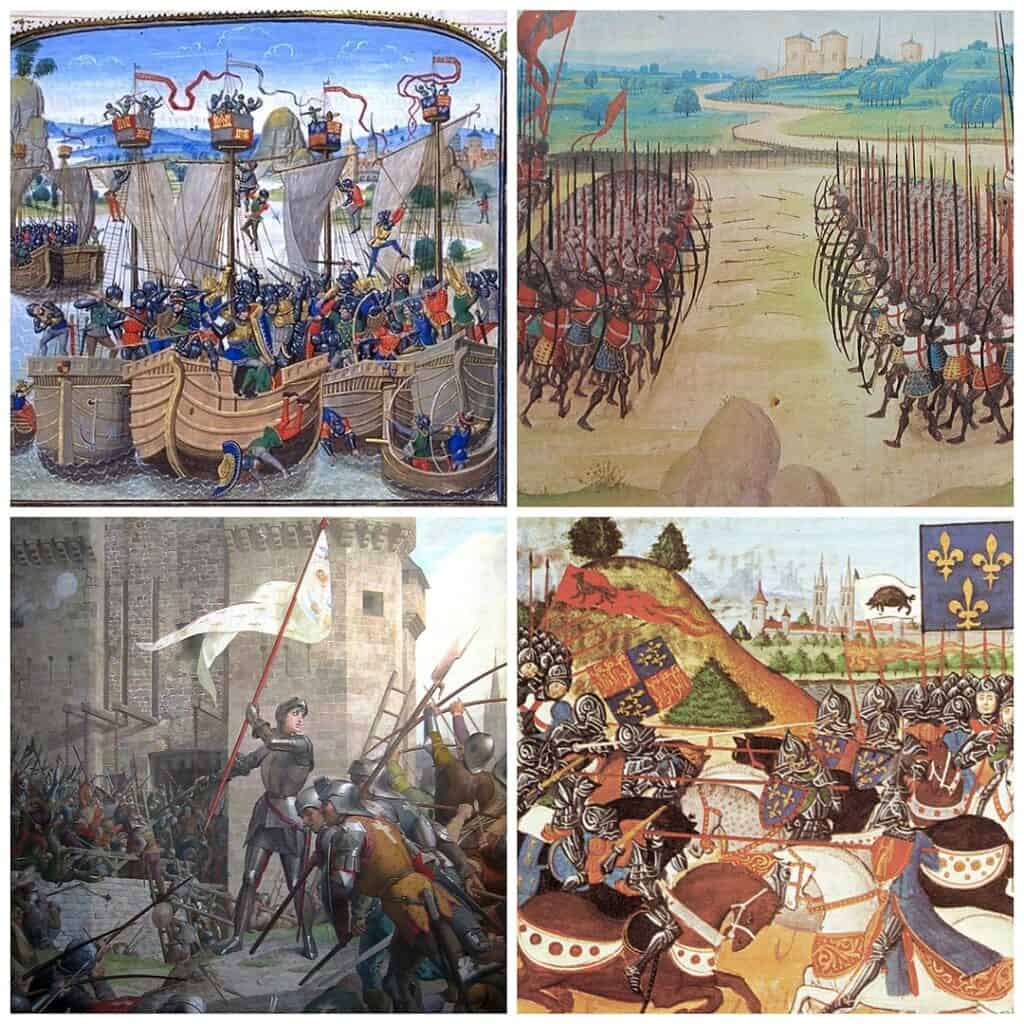
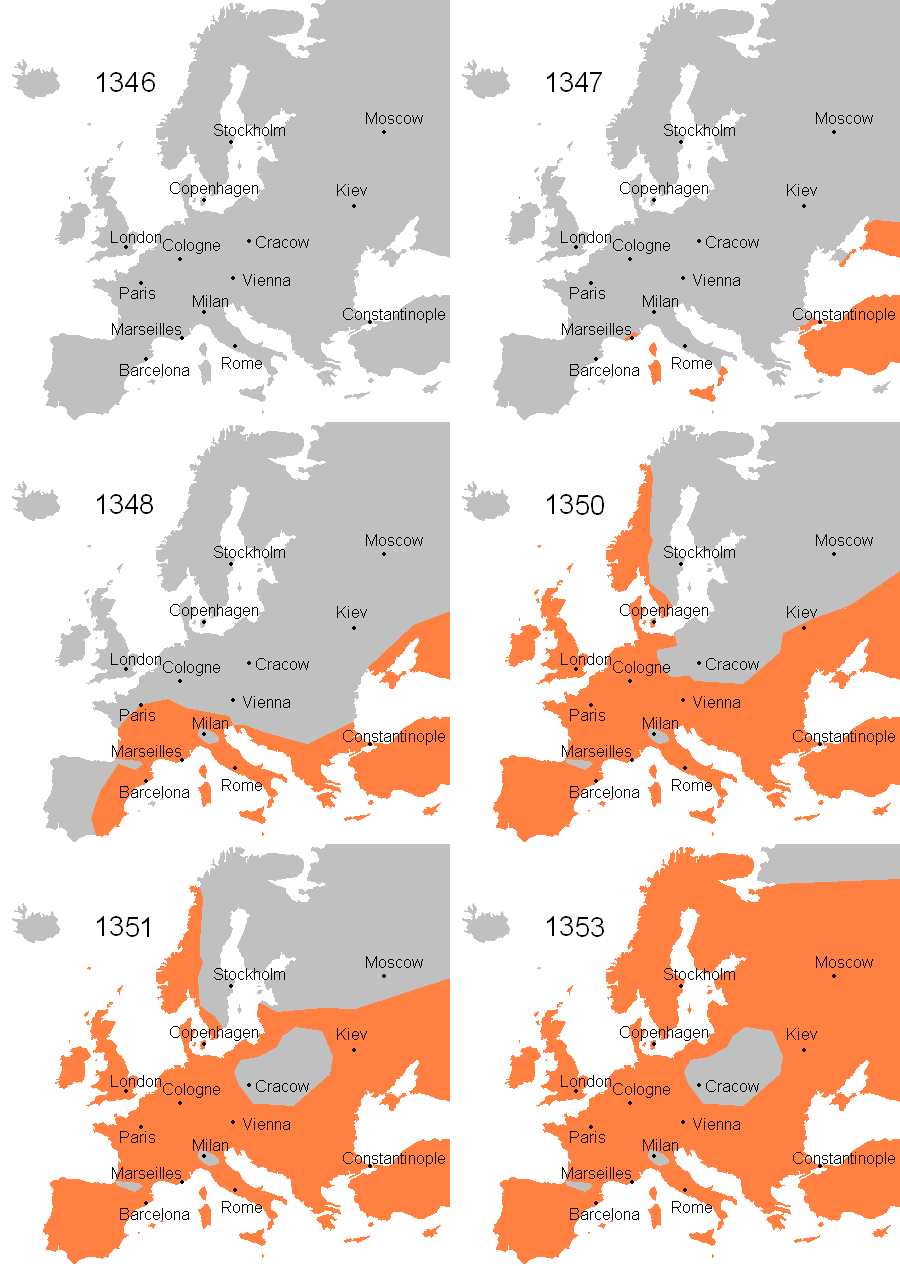
The late 14th century was characterized by a period of crisis and revolution in Europe. The Hundred Years’ War devastated France, while the Black Death epidemic swept over the continent. Portugal, amid this backdrop, found itself entangled in the crisis of 1383-1385 following the death of D. Fernando without a male heir. The Portuguese population revolted against the prospect of Castile annexation, triggering a series of events leading to the Battle of Aljubarrota.

Preparation and Portuguese Strategy
Facing the Castilian invasion in 1384, Portugal was under siege, with the population bravely resisting in Lisbon. Fueled by a Portuguese fleet from Porto, the resistance strategy contributed to sustaining the defence. When the Castilian invasion intensified in 1385, Juan I of Castile led a significant army with the support of French cavalry, capitalizing on the division among the Portuguese noble families.
Disposition and Tactical Innovation in Battle
The battle took place in Aljubarrota, where D. Nuno Álvares Pereira, with English allies who were veterans of the Hundred Years’ War, chose a favourable terrain. Portuguese tactical innovation, highlighted by a defensive disposition and the construction of fortifications, enabled victory against a formidable Castilian cavalry. The battle, taking place on the eve of a holy day, witnessed Portuguese resistance and the constable’s refusal to betray his king, D. João I.

Outcome and Legacy
At the battle’s conclusion, the Castilian defeat was evident, solidifying D. João I as the uncontested king of Portugal and ending the crisis of 1383-1385. The Luso-British alliance, strengthened by the victory, would be sealed the following year with the signing of the Treaty of Windsor and the marriage of D. João I to D. Filipa de Lencastre. As a gesture of gratitude, D. João I ordered the construction of the Monastery of Batalha.

Conclusion: A Turning Point in Portuguese History
The Battle of Aljubarrota not only secured Portugal’s independence but also innovatively reshaped military tactics, allowing foot soldiers to prevail against a powerful cavalry. This historic event, commemorated by landmarks such as the Monastery of Batalha, remains a testament to Portugal’s resilience and strategic prowess.


Listening Exercise
Lastly, I have a video in Portuguese with a short text I’m reading about the Battle of Aljubarrota.
Related Portuguese History Posts
Portuguese History | Audio Lessons | The Portuguese Learning Hub