acima, em cima and por cima

Luke and Adelina discussing the difference between acima, em cima, and por cima in European Portuguese conversation video

What’s the difference between acima, em cima and por cima? Portuguese prepositions can feel a bit like a maze when you’re learning – especially ones that all seem to mean the same thing! In this video, we’ll unpack the difference between these with the help of a very natural, unscripted conversation between me (a native … Read more

As Prendas de Natal – Free

In this story, a mother is shopping for Christmas. She spots the perfect gift for her mother and her son. Find out what happens! Also, check out my Guide to Christmas Shopping in Portugal. Not a member yet? 👉 PDF for this Lesson (One-time purchase) 👉 PDFs of all my video lessons (Monthly Sumo de … Read more

A Família da Maria – Free Lesson

Olá pessoal! In today’s lesson, we dive into the world of family vocabulary with a fun and simple story about Maria and her family. 🏠👨‍👩‍👧‍👦 Through this video, you’ll: ✅ Learn the words for key family members—like pai (father), mãe (mother), and filha (daughter)✅ Explore more specific relationships such as sogro (father-in-law) and neta (granddaughter)✅ … Read more

Professions in Portuguese

Building a strong vocabulary around everyday topics is essential when learning a language. One particularly useful area to explore is professions in Portuguese. Understanding and using helps you communicate more effectively and also deepen your connection to Portuguese culture. In this post, we’ll delve into some common professions in European Portuguese, with practical examples to … Read more

Variable Demonstrative Pronouns in Portuguese

In Portuguese, the demonstrative pronouns este/esta, esse/essa, and aquele/aquela change based on gender and number, making them “variable.” We call them Variable Demonstrative Pronouns in Portuguese. They help define the position of objects or people relative to the speaker and listener. What’s a Demonstrative Pronoun? A demonstrative pronoun is a word (pronoun) that represents another … Read more

O Monstro da Noite

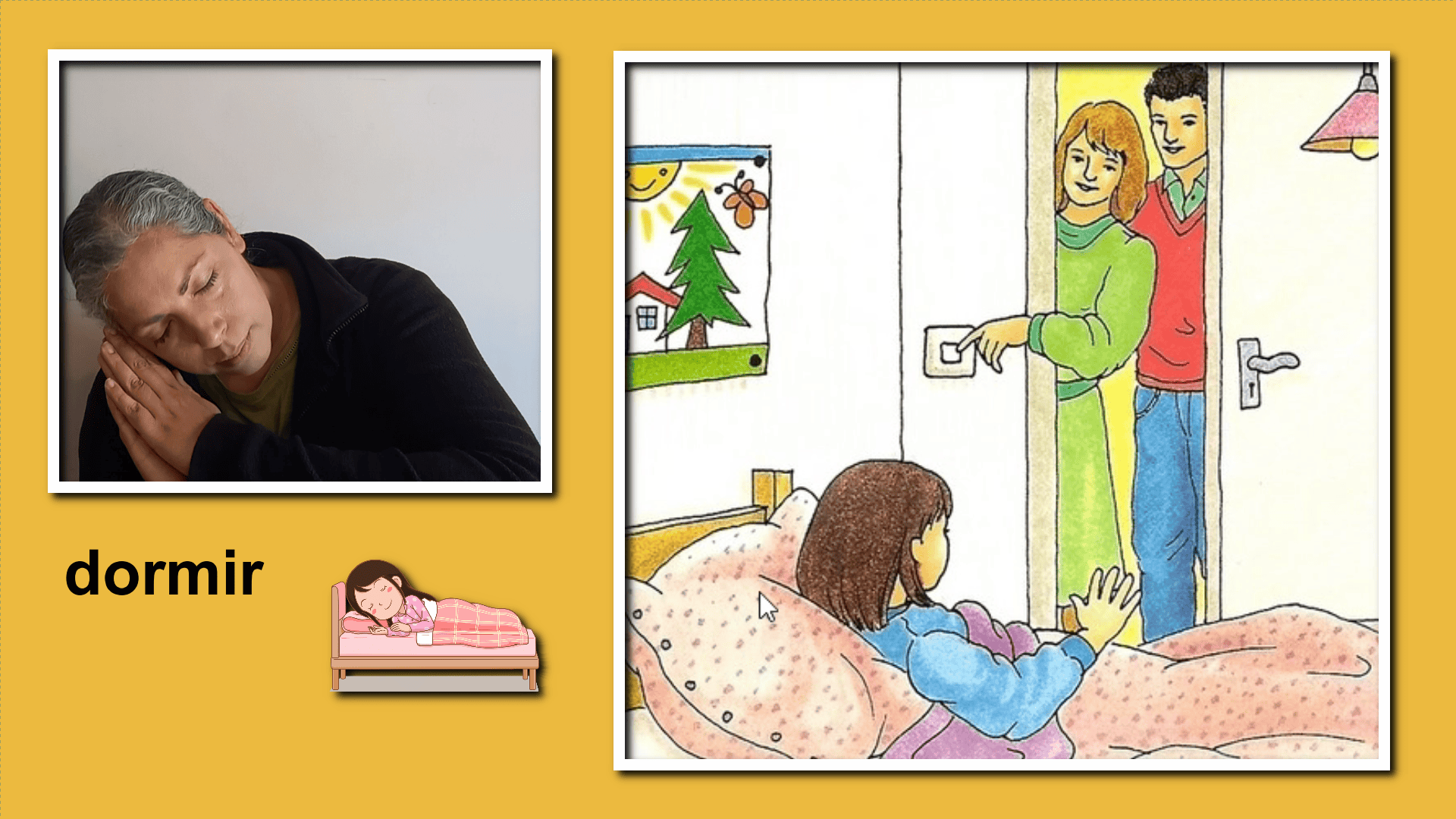
Learn European Portuguese through short stories. This is about a little girl thinking there is a monster in her room – O Montro da Noite, and is adequate for the A1/A2 level (beginners). Watch the video without subtitles first and see how much you can get through with only the visual cues. Make notes and … Read more

Daily Routine in Portuguese

Olá pessoal! In this short lesson, we’ll be looking at some common vocabuçary used to describe our daily routine in Portuguese. But you know me! You don’t have to “memorize” this list. Rather enjoy it and review it in context, by making sentences relevant to you. Daily Routine Vocabulary Familiarize yourself with the sounds and … Read more

Telling Time in Portuguese

Olá a todos! As we continue our journey through the Portuguese language, today’s lesson will take us through the world of telling time in Portuguese. This is not just about learning to read the clock; it’s an opportunity to immerse ourselves in Portuguese culture and Daily Routine in Portuguese. So, let’s set the clock and … Read more

Counting in Portuguese

Counting in Portuguese - audio pronunciation demo of numbers, tens and hundreds in European Portuguese

Olá! Today, we’re going to be counting in Portuguese. Knowing how to count and pronounce numbers is one of the fundamental skills you’ll need. One of the ways to learn them is to drill them and then make sentences incorporating them. Let’s get started! Basic Numbers (1-20) Let’s begin with the basics. Here are the … Read more

Modes of Transportation in Portuguese

Olá, Portuguese language enthusiasts! In this post, we’re looking into the various modes of transportation in Portuguese. This is a fantastic topic to expand your vocabulary and learn useful words for everyday conversations and routines. Let’s get started! Modes of Transportation Practical Exercise Now that you’re familiar with these modes of transportation, let’s put your … Read more