

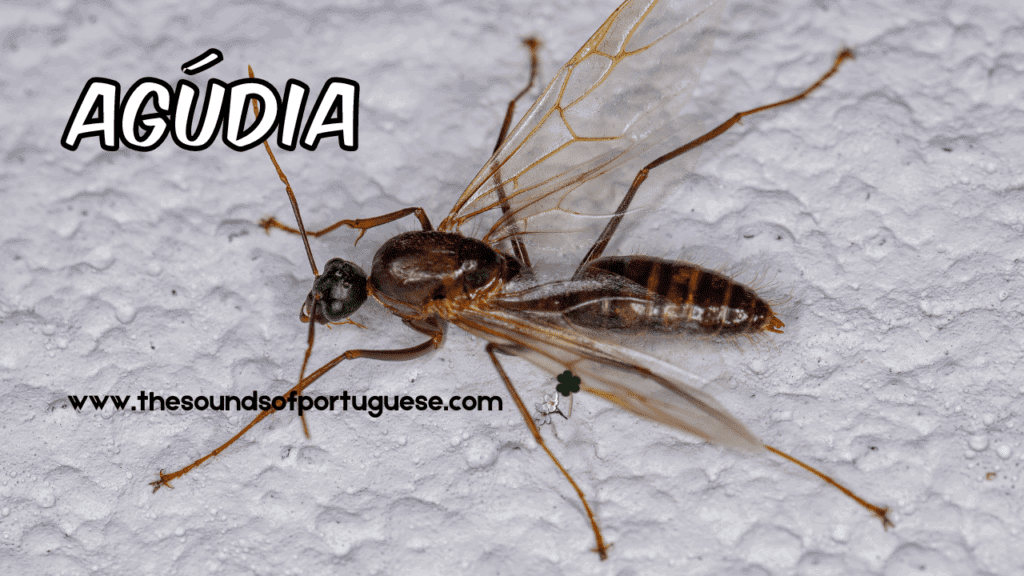
It’s that time of the year again! And new arrivals to the country are greeted by an unexpected sight: flying ants in Portugal! First, don’t panic. They are NOT termites. We call them agúdias. Let’s explore what distinguishes them from their termite counterparts and their behaviours.
What are Flying Ants?
Winged ants, belonging to the Order Hymenoptera alongside bees and wasps, are a diverse group of insects encompassing various ant species. Unlike their ground-dwelling counterparts, winged ants sport wings, which serve a crucial purpose in their life cycle. In Portuguese, we call them formigas-de-asa or agúdias. In some Algarvian areas, they’re also called aguidas.

Winged Ants vs. Winged Termites
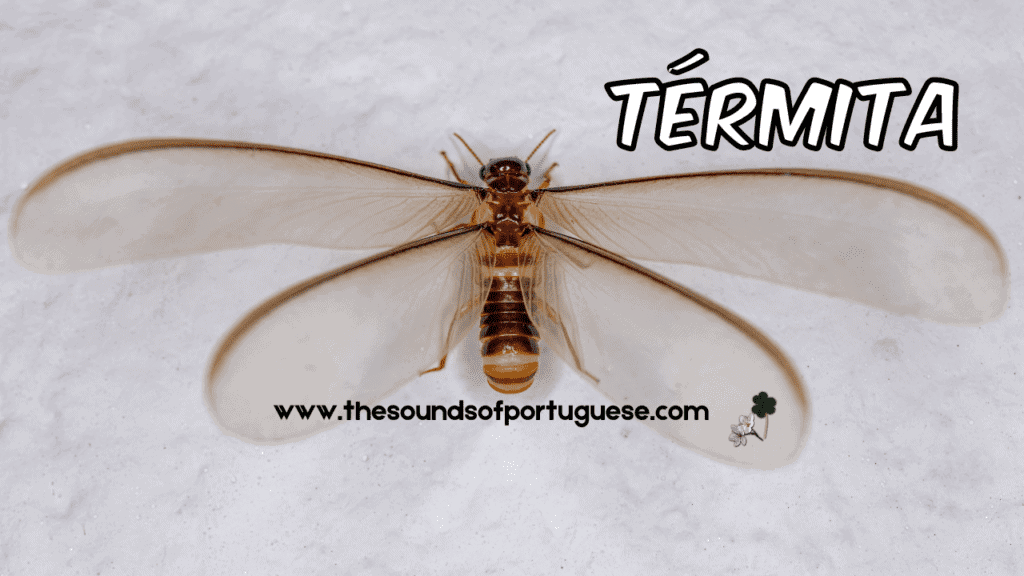
One common misconception is mistaking winged ants for termites. While both may sport wings, they belong to different insect groups. Winged ants, including queens and males, partake in what’s known as a “nuptial flight,” where mating occurs mid-air. Conversely, termites have straight bodies, straight antennae, and wings of equal size.
Behavioural Insights
During the nuptial flight, a spectacular event unfolds as newly formed queens and males take to the skies in a massive dispersal. Mating transpires amidst this airborne ballet, after which queens seek suitable locations to establish new colonies. Interestingly, queens shed their wings post-mating, as they no longer serve a purpose. Males, while retaining their wings, have a fleeting lifespan of merely 2 to 3 weeks following the flight.
When Do They Appear?
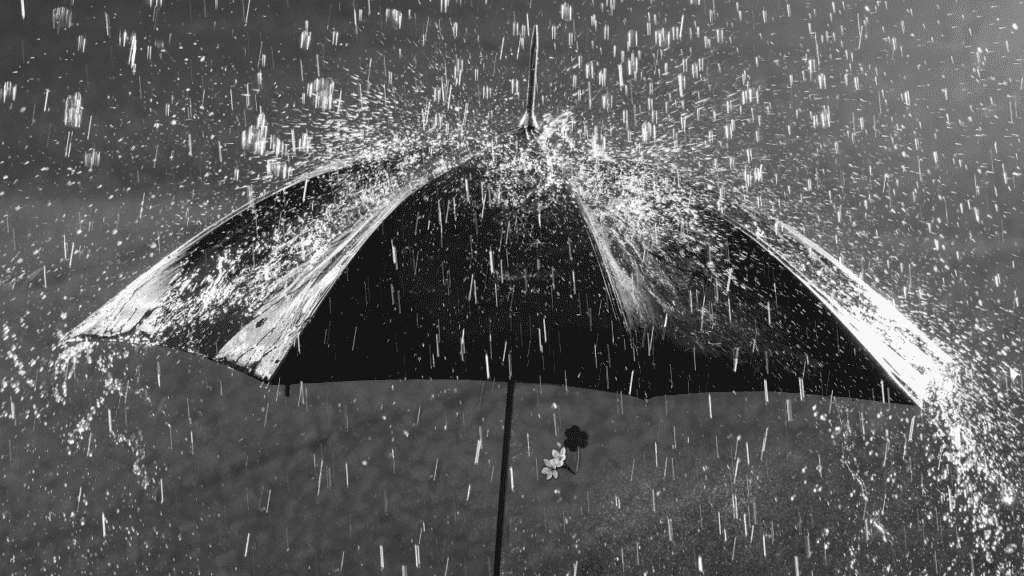
The emergence of winged ants is often correlated with the onset of rain following hot days in early summer or Autumn. These atmospheric changes trigger a response in the insects, prompting them to embark on their nuptial flights. Despite the vast numbers taking flight, only a fraction will successfully mate and establish new colonies.

Why Rainy Days?
Insects possess an innate sensitivity to changes in atmospheric pressure, allowing them to anticipate impending rain. This foresight prompts them to mobilize for colony establishment, capitalizing on the moist conditions conducive to their reproductive endeavours.