

The Carnation Revolution (Revolução dos Cravos) was a peaceful military coup that took place in Portugal on 25 April 1974. It ended decades of dictatorship under the Estado Novo regime and led to democracy. Today, it remains one of the most important events in Portuguese history and culture.
We celebrate it every year as Dia da Liberdade (Freedom Day).
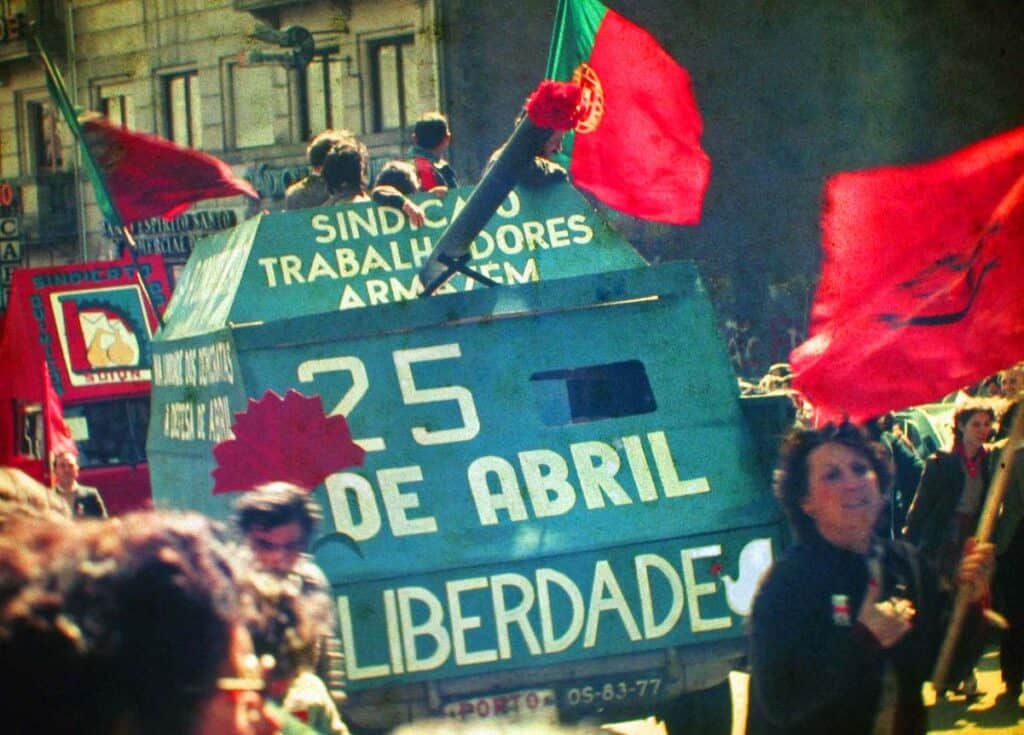
Carnation Revolution Explained Simply
- A peaceful military coup in Portugal (1974)
- Ended a long dictatorship (Estado Novo)
- Soldiers and civilians worked together
- Led to democracy and freedom
What was the Estado Novo?
The Estado Novo was an authoritarian and corporatist regime that governed Portugal from 1933 to 1974. This regime had strong central government control over political, social and economic aspects of Portugal’s society. The regime was established by António de Oliveira Salazar, who served as Prime Minister from 1932 to 1968. Salazar was later succeeded by Marcelo Caetano, until the regime’s downfall in the Carnation Revolution of 1974.
For almost 40 years, Portugal experienced political repression, censorship, and limited civil liberties. The regime maintained tight control over the media, labour unions, and political opposition, suppressing dissent and promoting a conservative Catholic ideology. Salazar’s regime maintained strict control over all aspects of Portuguese society, including the economy, media, education, and culture.
Some of the Estado Novo’s main economic focuses were agricultural production and maintaining colonial interests, especially in Africa. Another important aspect was implementing protectionist measures to shield domestic industries from foreign competition.
What was PIDE in Portugal?
PIDE stands for Polícia Internacional e de Defesa do Estado (International and State Defence Police). This force was the secret police and intelligence agency of the Estado Novo regime.
Its main tasks were maintaining internal security, suppressing dissent, and monitoring political opposition to Salazar’s regime. PIDE was established in 1933 and operated with broad powers of surveillance, censorship, and repression, employing tactics such as arbitrary arrests, torture, and intimidation to silence dissenting voices and maintain control.
It operated both within Portugal and in Portuguese colonies, where it played a key role in suppressing anti-colonial movements. It was disbanded after the revolution and replaced by the Direção-Geral de Segurança (DGS), which later evolved into the current Portuguese intelligence and security agencies.
Who was António de Oliveira Salazar?
António de Oliveira Salazar was born on April 28, 1889, in Vimieiro, Portugal. He studied law and economics, eventually becoming a professor at the University of Coimbra. In 1928, Salazar was appointed Minister of Finance in the government, tasked with addressing Portugal’s economic crisis.
In 1932, Salazar became Prime Minister and initiated significant reforms to stabilise the economy and consolidate power. Despite his strict authoritarian rule, Salazar was praised for his management of the Portuguese economy. However, his policies also led to widespread poverty, censorship, and political repression.
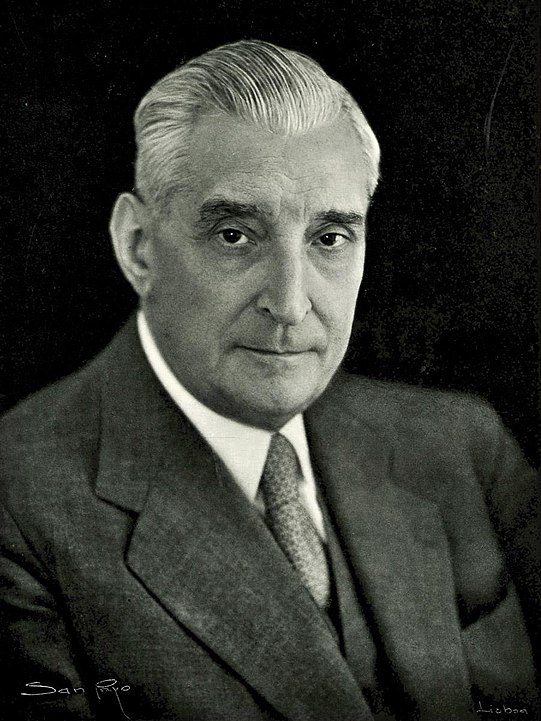
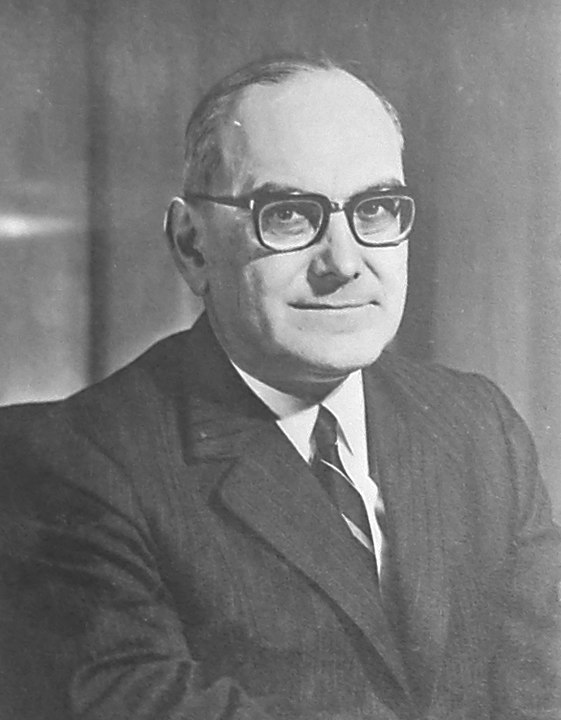
Salazar’s power weakened in the 1960s, amid growing dissent over Portugal’s colonial wars in Africa. Salazar suffered a stroke in 1968 and was replaced as Prime Minister by Marcelo Caetano. He remained in a semi-conscious state until his death on July 27, 1970.
Salazar’s legacy remains controversial in Portugal. While some view him as a skilled economist who stabilised the country’s economy, others condemn him for his authoritarianism, censorship, and human rights abuses during his nearly four-decade rule.
The Revolution’s Name
The revolution started as a coup orchestrated by the Movimento das Forças Armadas, MFA (Armed Forces Movement). This force comprised military officers who opposed the regime. However, it swiftly merged with an unexpected surge of popular civil resistance. Negotiations with African independence movements ensued, leading to the withdrawal of Portuguese troops from Portuguese Guinea by the close of 1974. Consequently, Portuguese Guinea attained UN membership as Guinea-Bissau.
Cape Verde, Mozambique, São Tomé and Príncipe, and Angola in Africa declared independence in 1975. These developments triggered a significant exodus of Portuguese nationals from Portugal’s African territories, mainly Angola and Mozambique, resulting in over a million Portuguese refugees known as the retornados.
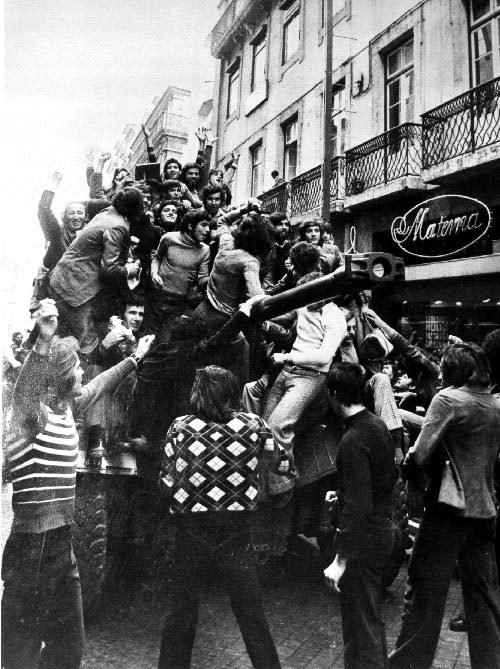
The Carnation Revolution gets its name from the almost complete absence of gunfire and from a simple but powerful gesture by a restaurant worker, Celeste Caeiro, who handed out carnations to the soldiers as people filled the streets to celebrate the end of the dictatorship. Soon after, other demonstrators followed her example, placing carnations in the barrels of guns and on the soldiers’ uniforms.

The Song of the Revolution
One of the most powerful symbols of the Carnation Revolution is the song Grândola, Vila Morena by Zeca Afonso. It was used as a secret signal to begin the military coup and quickly became associated with freedom and unity in Portugal.
👉 If you want to understand the lyrics, cultural meaning, and Portuguese used in the song, read the full breakdown here: Grândola, Vila Morena
Key Portuguese Words from the Revolution
- povo = people
- revolução = revolution
- liberdade = freedom
- ditadura = dictatorship
- cravos = carnations
What Changed After the Carnation Revolution?
Several significant changes occurred in Portugal after the fall of the dictatorship. The key changes were:
- Transition to Democracy: A new democratic system was established, and the people were free to vote. Political pluralism was allowed, and respect for civil liberties was established.
- Decolonisation of Portugal’s African colonies: This was one of the immediate consequences of the Carnation Revolution. The new democratic government, led by the Movimento das Forças Armadas (Armed Forces Movement (MFA), worked to end the colonial war and grant independence to its overseas territories. This process led to the independence of countries such as Angola, Mozambique, Guinea-Bissau, Cape Verde, and São Tomé and Príncipe.
- Political Liberalisation: The end of authoritarian rule in Portugal ushered in a period of political liberalisation, allowing for greater freedom of expression, assembly, and association. Political parties banned under the Estado Novo regime were legalised, and civil society organisations flourished.
- Economic Reforms: Portugal’s economy modernised and integrated into the European Economic Community (EEC), and later the European Union (EU). These reforms included privatisation, market liberalisation, and the adoption of social welfare policies.
- Social Changes: The end of the dictatorship also brought about social changes. Civil liberties were expanded, and marginalised groups, such as women and minorities, gained greater recognition and rights. Portugal experienced a cultural renaissance, with increased freedom of artistic expression and a flourishing of literature, music, and cinema.