
If you’re in Portugal during Christmas, one of the most meaningful experiences you can have is attending the Missa do Galo (Midnight Mass), or “Rooster’s Mass.” This midnight mass on Christmas Eve is a deeply rooted Catholic tradition, commemorating the birth of Christ and uniting communities in prayer and celebration.
The Catholic Significance
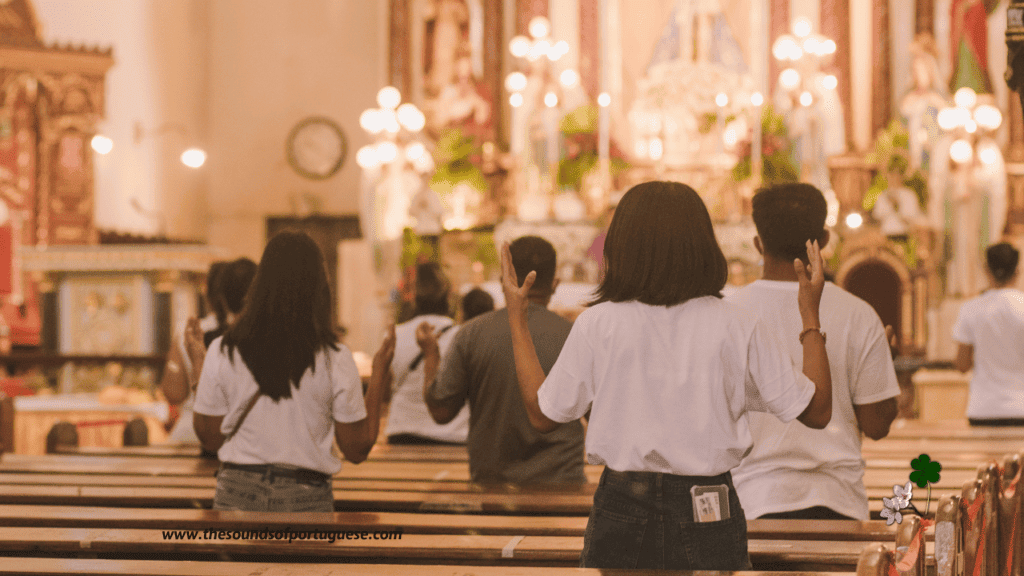
The Missa do Galo (Midnight Mass) is more than a cultural event – it is a moment of spiritual reflection and joy for Portuguese Catholics. The name comes from the legend that a rooster crowed at midnight, symbolising the arrival of Jesus Christ. The mass often includes reading the Nativity story, hymns, and prayers, creating a sacred and festive atmosphere.
Why Is It Called Missa do Galo?
Firstly, the term Missa do Galo (rooster’s Mass) is only used in Portuguese or Spanish-speaking countries. Secondly, there are various explanations for why it’s called that. It originates from a popular legend. It is said that a rooster crowed at midnight to announce the birth of Jesus, symbolising the arrival of light and salvation in the world. Hence, the midnight timing of the mass is deeply symbolic.
- A Midnight Miracle
- A popular Portuguese legend tells of an extraordinary event: on Christmas Eve, a rooster crowed at midnight, announcing the arrival of Christ. Some stories include the rooster as a witness to the Nativity scene alongside the ox and the donkey. They were tasked with forever heralding the significance of this holy night.
- A Pope’s Decree
- One theory links the name to Pope Sixtus III. In the 5th century, he instituted a special mass to celebrate the birth of Christ, ad galli cantus. Literally, “at the rooster’s crow.” This phrase poetically symbolised the early hours of the new day, at midnight, when the mass traditionally begins.
- Pilgrimages to Bethlehem
- Early Christian pilgrims to Bethlehem gathered to pray at the rooster’s first crow. Marking the beginning of a new day and the birth of Christ.
- The Rooster and Charity
- Another tradition traces back to Spain, where farmers would sacrifice a rooster on Christmas Eve. The sacrifice was honouring the rooster that crowed when Peter denied Jesus. The bird was then offered to the poor, brightening their Christmas. Some villages in Portugal also embraced the custom of bringing a live rooster to church. It was seen as a sign of good harvests for the coming year if it crowed during the mass.
What to Expect
- A Spiritual Gathering: Churches across Portugal fill with young and old worshippers to celebrate Jesus’s birth. Even if you’re not Catholic, attending the mass can provide a unique glimpse into the country’s religious and cultural heritage.
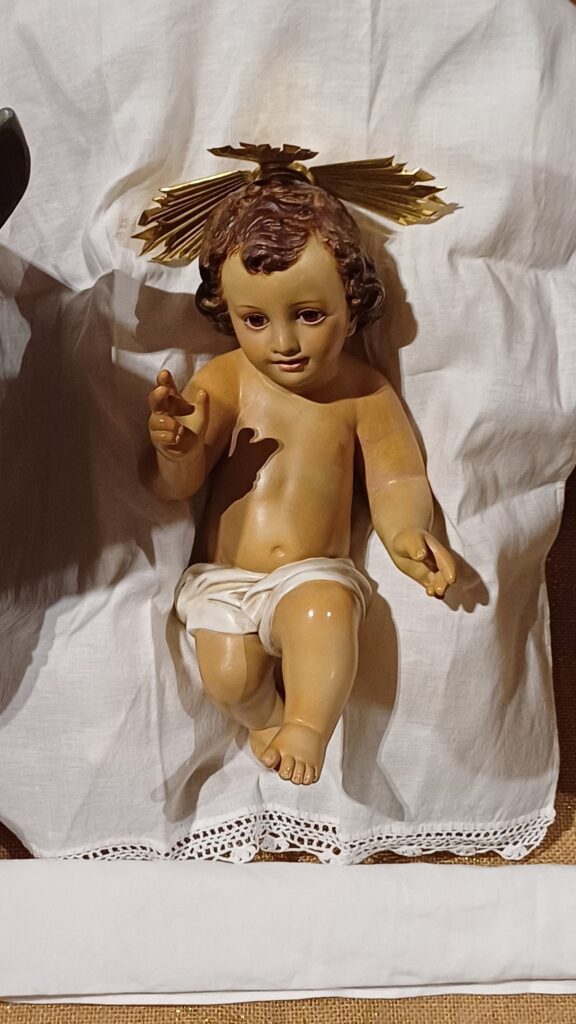
- The Nativity Scene: Many churches wait until Missa do Galo to place the figure of baby Jesus in the nativity scene, a symbolic moment representing His arrival.
- Traditional Hymns: Beautiful carols like Adeste Fideles echo through the churches, adding a solemn yet celebratory tone to the night.
When and Where are they held?
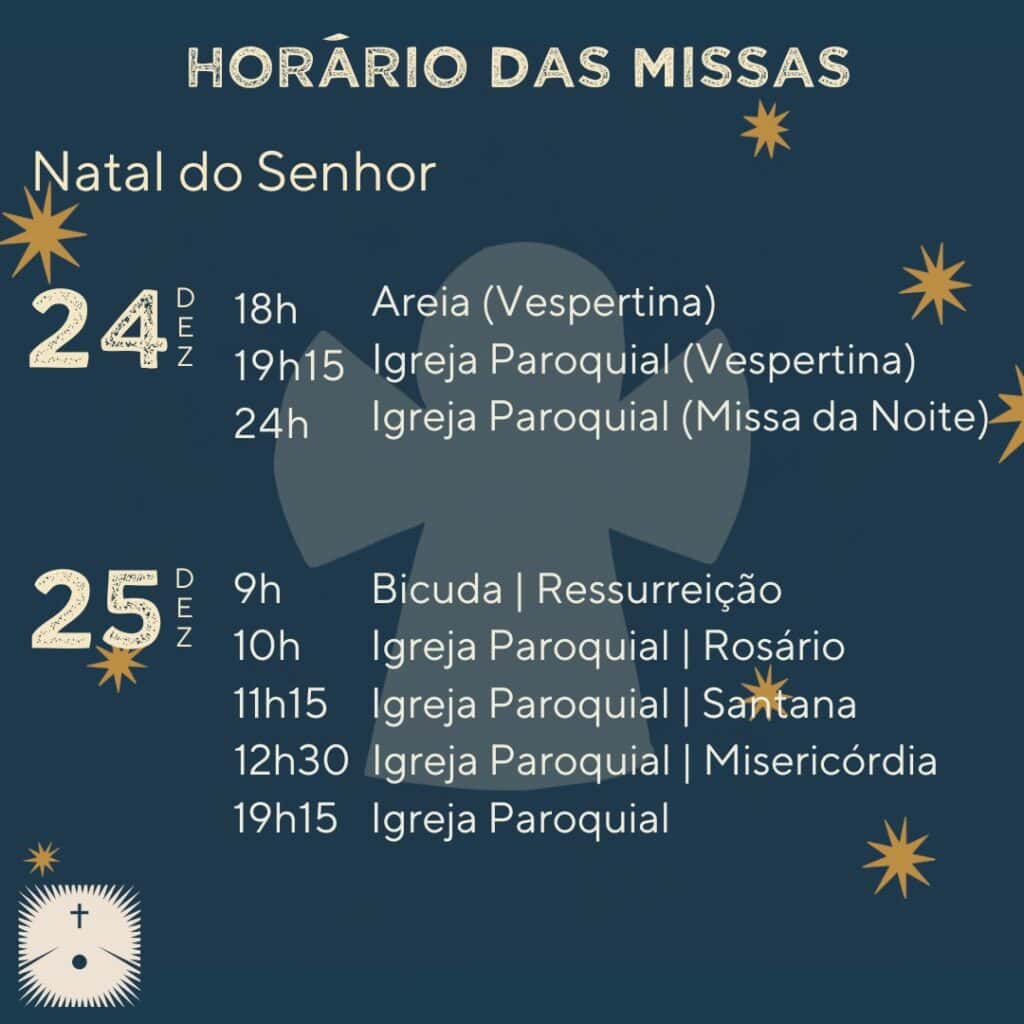
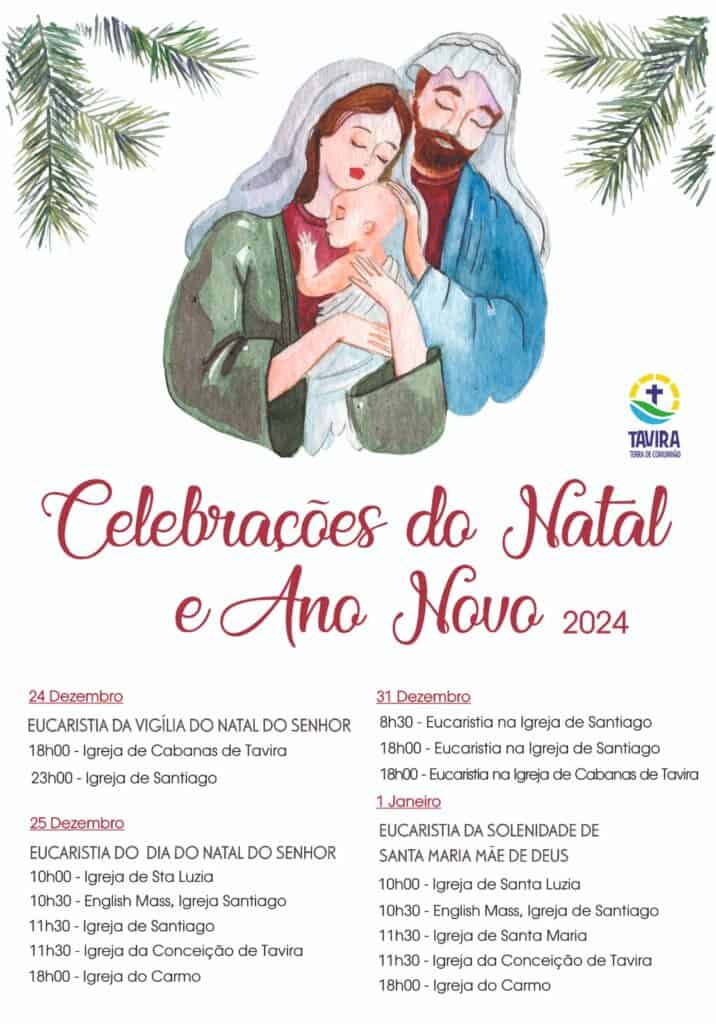
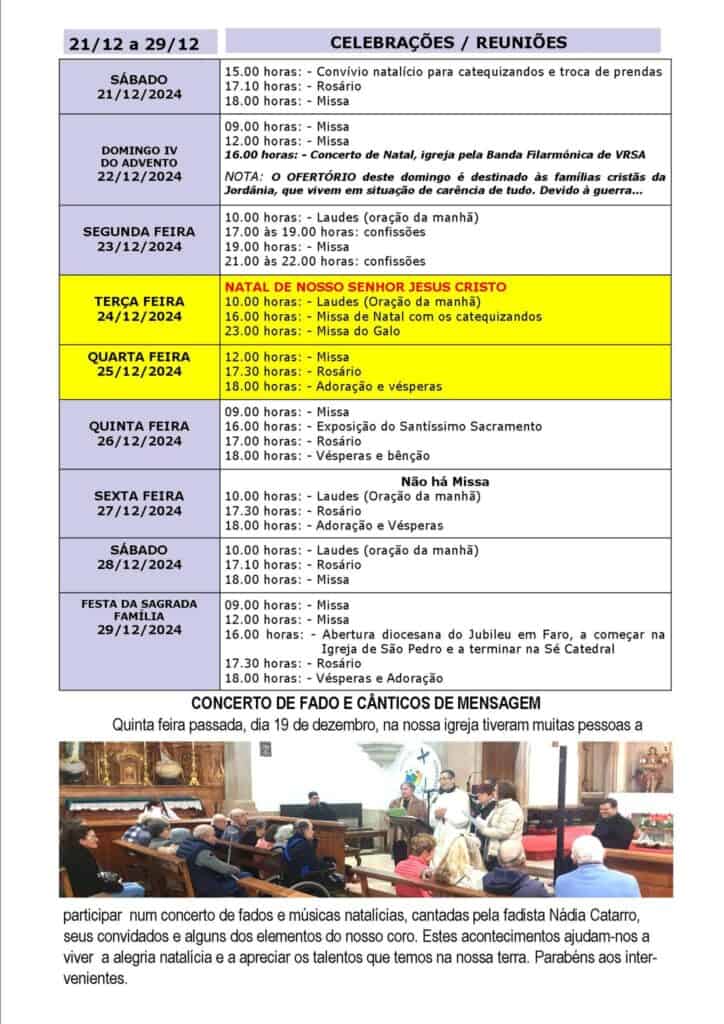
Even though traditionally it’s supposed to be at midnight, most of the time they are NOT at midnight anymore. The best way to look for this is to search for “missa do galo” or “missas de natal” + the municipality in which you are staying/living. It’s even better if you know the parish, particularly if you’re in a big urban area or the capital (Lisbon). You may find the parishes’ Facebook pages with the information. Here are a few examples for 2024:
Sé de Lisboa FB page
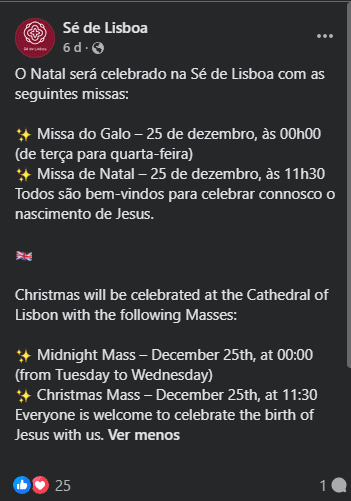
Link to Cascais Parish FB page
Tips for Visitors
- Find a Local Church: Portugal’s historic churches, such as Lisbon’s Sé Catedral or Braga’s Bom Jesus do Monte, offer particularly atmospheric celebrations. In smaller towns, the experience can feel even more intimate and personal.
- Dress Respectfully: While there’s no strict dress code, it’s respectful to wear modest clothing in church, especially during a significant religious ceremony like this.
- Be Part of the Spirit: Many congregations embrace visitors warmly. You don’t need to follow all the liturgical practices—just being present and respectful is enough.
For Catholics and non-Catholics alike, the Missa do Galo is a heartwarming way to connect with Portuguese Christmas traditions. As the clock strikes midnight, the church bells ring out, and the community comes together in faith and joy. Don’t forget to wish those around you a heartfelt Feliz Natal!