
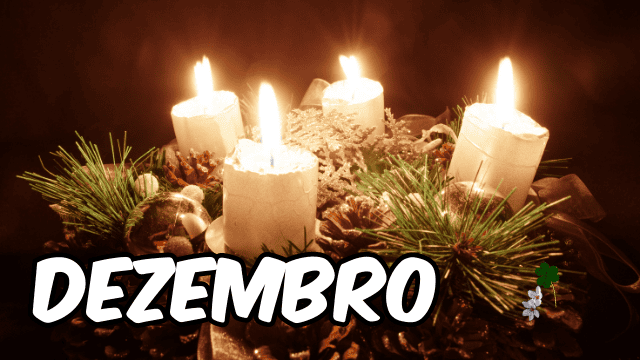
December is one of the most festive months of the year in Portugal. From the beginning of the Christmas season to Consoada, Christmas Day and New Year’s Eve, December brings together family, food, religious traditions and celebrations. You’ll also find Christmas lights, markets and events throughout the country, although many Portuguese traditions are quite different from those you may know from other countries.
- 🌦️ Weather in Portugal in December
- 🇵🇹 1st December: Restauração da Independência
- 🌊 3rd December: The Tavira Flood of 1989
- 🕊️ 8th December: Imaculada Conceição
- 🎄 Christmas in Portugal
- 🎁 25th December: O Dia de Natal
- 🎁 Christmas shopping in Portugal
- 🎆 31st December: O Réveillon
- 📅 Other December dates
- 🗣️ Useful Portuguese vocabulary
🌦️ Weather in Portugal in December
December brings cooler temperatures and shorter days to Portugal, although winter is generally mild compared with many other parts of Europe. Rain becomes more common, particularly in northern and central Portugal, while the Algarve tends to remain milder.
December weather can vary considerably from one year to another, so don’t assume that Christmas in Portugal means either sunshine or freezing temperatures!
Typical December conditions include:
- 🌡️ Cooler temperatures – especially in the mornings and evenings
- 🌧️ Rainy days – particularly in northern and central Portugal
- ☀️ Mild sunny days – still possible, especially in the Algarve
- 🌙 Shorter days – sunset comes much earlier than in summer
- 🧥 Winter clothing – a coat or warm jumper is useful, particularly after dark
For language learners, December is also a great opportunity to learn vocabulary connected with weather, winter and Christmas.
Then give a little vocabulary:
Está frio. – It’s cold.
Hoje está a chover. – It’s raining today.
Está vento. – It’s windy.
Está nublado. – It’s cloudy.
Hoje está sol. – It’s sunny today.
Está muito húmido. – It’s very humid/damp.
🇵🇹 1st December: Restauração da Independência
O Dia da Restauração da Independência is celebrated on 1 December and commemorates the restoration of Portuguese independence from Spain in 1640.
The date marks the beginning of the Portuguese Restoration War and the end of the Iberian Union, which had united Portugal and Spain under the same monarchy since 1580.
🌊 3rd December: The Tavira Flood of 1989
On 3 December 1989, severe flooding affected Tavira and other parts of the Algarve following exceptionally heavy rainfall.
The event left a lasting impression on the town and is an important part of Tavira’s more recent history.
🕊️ 8th December: Imaculada Conceição
O Dia da Imaculada Conceição is celebrated on 8 December. It is a Catholic feast day dedicated to the Immaculate Conception of Mary and is an important date in Portugal’s religious and cultural traditions.
The day is also a public holiday in Portugal.
🎄 Christmas in Portugal
🕯️ 24th December: A Consoada
A Consoada is the traditional Christmas Eve meal in Portugal. Families come together on the evening of 24 December to eat, talk and celebrate Christmas.
One of the best-known foods associated with Consoada is bacalhau, although Christmas traditions and dishes vary from region to region and from family to family.
Learn more:
- Why do the Portuguese eat codfish on Christmas Eve?
- Portuguese Christmas Recipes
- Portuguese Nativity Scenes
- Christmas Songs in Portuguese
- Midnight Mass in Portugal – Missa do Galo
🎁 25th December: O Dia de Natal
O Dia de Natal is Christmas Day in Portugal. After the family gathering on Christmas Eve, many families continue celebrating together on the 25th, often with another large meal.
Christmas traditions vary considerably between Portuguese families and regions, but family, food and religious traditions remain central to Christmas for many people.
🎁 Christmas shopping in Portugal
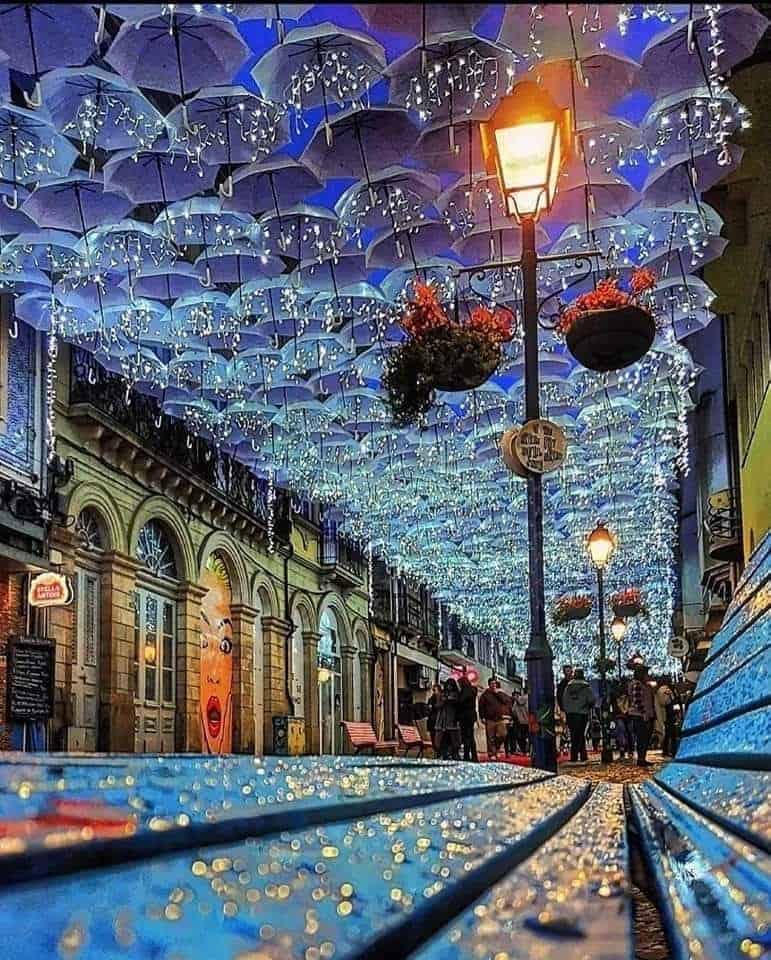
Christmas shopping is a big part of December, and Portuguese towns and cities often have Christmas markets, lights and seasonal events.
If you’re living in Portugal or visiting during December, you may also notice that Christmas shopping isn’t always quite as frantic as it can be in some other countries, although the final days before Christmas can certainly get busy!
🎆 31st December: O Réveillon
O Réveillon is the Portuguese word commonly used for New Year’s Eve celebrations. On 31 December, people gather with family and friends to eat, drink, celebrate and welcome the new year.
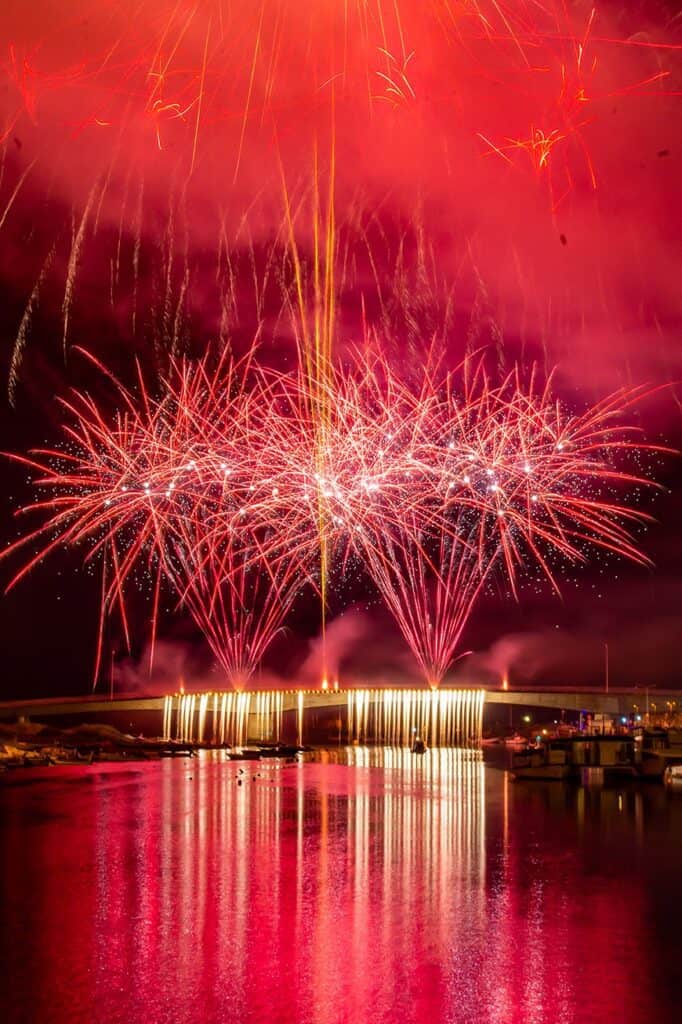
At midnight, fireworks, music and celebrations take place across Portugal. In many places, people also follow the tradition of eating twelve raisins – one for each stroke of midnight – while making twelve wishes for the coming year.
📅 Other December dates
Advent begins in the weeks leading up to Christmas and marks the beginning of the Christmas season for many Christians. In Portugal, you’ll see Advent calendars, Christmas decorations and religious preparations during this period.
🗣️ Useful Portuguese vocabulary
| Portuguese | English |
|---|---|
| dezembro | December |
| Natal | Christmas |
| véspera de Natal | Christmas Eve |
| Consoada | Christmas Eve meal |
| presépio | nativity scene |
| árvore de Natal | Christmas tree |
| presente / prenda | present / gift |
| luzes de Natal | Christmas lights |
| mercado de Natal | Christmas market |
| bacalhau | cod |
| castanhas | chestnuts |
| rabanadas | Portuguese-style French toast |
| filhós | traditional Christmas fritters |
| Missa do Galo | Midnight Mass |
| Réveillon | New Year’s Eve celebration |
| fogo de artifício | fireworks |
| passas | raisins |
| desejo | wish |
December brings together history, religious traditions, family celebrations, food and the excitement of the Christmas and New Year season. From Restauração da Independência at the beginning of the month to Consoada, Natal and Réveillon, December offers plenty of opportunities to discover Portuguese culture and plenty of useful Portuguese vocabulary along the way.