
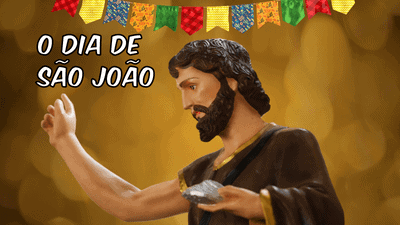
São João in Portugal is one of the three popular saints we celebrate in June. Portugal is known for its rich cultural heritage, vibrant traditions, and warm hospitality. It’s also home to an array of captivating festivals that bring people together in a celebration of life. Among these festivities is São João, which stands out as one of the most exuberant and cherished occasions. Thirdly, it entices locals and visitors alike with bonfires, music, food, and the infectious spirit of merriment. Join me as we delve into the fascinating world of this joyous midsummer celebration!
- Origins and Significance
- The Enchanting City of Porto
- Regata de Barcos Rabelo
- Cascatas de São João
- The Magic of the Hammer and the Leek
- The Sizzling Sardines and Sumptuous Delights
- Dancing, Music, and Fireworks
- Marchas Populares de São João
- The Spectacular Hot Air Balloon Launch in Porto
- Frequently Asked Questions
- Conclusion
- Is São João's Day a National Holiday?
- Related Posts for further reading:
Origins and Significance
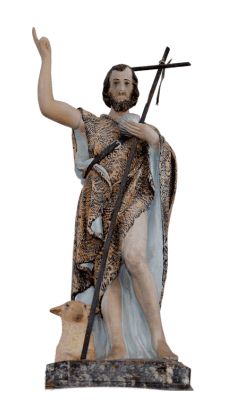
São João, also known as the Festa de São João, takes place on the night of June 23rd and extends into the early hours of June 24th. The festival has deep roots in Portuguese culture and is a celebration to honour Saint John the Baptist. Originally, it marked the beginning of the summer solstice and fertility, as well as harvests and abundance. Around the 15th century, the Church Christianised this feast by dedicating it to Saint John. To this day, according to tradition, São João marks the summer solstice when people embrace the longest day of the year with festivities that symbolise the triumph of light over darkness.
The Enchanting City of Porto
While São João is celebrated throughout Portugal, it is in the vibrant city of Porto where the festivities have their zenith. Colourful decorations adorn the streets of Porto while an electrifying atmosphere fills the air. Residents and visitors alike take to the streets, joining the revelry with enthusiasm and excitement. Similarly to Lisbon, São João is not the patron Saint of Porto, it’s Nossa Senhora da Vandoma.
Regata de Barcos Rabelo
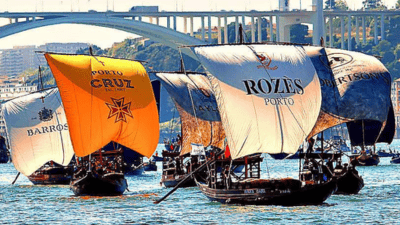
If you’re in Porto for this holiday you can’t miss the regatta of the rabelo boats on the 24th. These magnificent boats formerly transported the port wine. You can watch it either from the banks of the Douro River or from the miradouro (viewpoint) of Serra do Pilar. Not to be missed!
Cascatas de São João
Another tradition to see in Porto is the enchanting Cascatas de São João. Cascata means Cascade or waterfall. Local people lovingly craft these captivating miniature structures (much like the Tronos de Santo António in Lisbon). These cascades add a unique and delightful touch to the celebration. As you wander through the bustling streets of Porto, you’ll be mesmerised by these intricate creations. The Cascatas Sanjoaninas, adorned with an array of vibrant decorations, transport you to a world of imagination and wonder. Each structure consists of a village, on a sloping hillside, with a waterfall and several figures depicting scenes from daily life. The figures also depict historical events from the life of Saint John and beloved cultural symbols. Read more about this tradition in the Cascatas de São João post.

The Magic of the Hammer and the Leek
An endearing São João tradition involves the exchange of gentle hammer taps on the heads of loved ones and strangers alike, accompanied by a heartfelt greeting of “Bom São João!”. This is to scare away the evil eye. It’s a delightful custom that creates an ambience of affection and camaraderie. Another peculiar tradition involves hitting each other with alho porro (leeks). We believe it brings good luck and wards off evil spirits, envy and jealousy. These playful interactions spark laughter and create unforgettable memories.
Be aware that the leek will smell! Also, you take it home and put it behind your front door for good luck. Read more about leeks and hammers for São João here.

martelhinho de São João
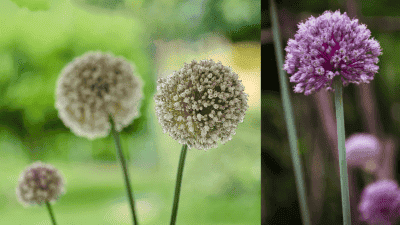
alho porro
The Sizzling Sardines and Sumptuous Delights
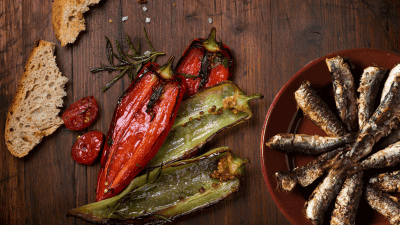
No celebration in Portugal is complete without indulging in the country’s delectable cuisine, and São João is no exception. Grilled sardines take centre stage during this festival, as they are a beloved symbol of abundance and tradition. The tantalising aroma of sizzling fish fills the air, enticing revellers to sample this iconic culinary delight. Additionally, pimentos assados (roasted peppers) and caldo verde (Portuguese cabbage soup) are enjoyed throughout the night, providing a perfect accompaniment to the lively festivities.
Dancing, Music, and Fireworks
Another important detail is the music. Music is the beating heart of São João, as the streets reverberate with the sounds of traditional Portuguese music, known as música popular. Additionally, live bands and DJs create a lively atmosphere at the bailes, inspiring spontaneous dancing and fostering a sense of unity among the revellers. Fireworks illuminate the night sky, casting a dazzling display of colours and enchantment, adding to the already vibrant atmosphere.

Marchas Populares de São João
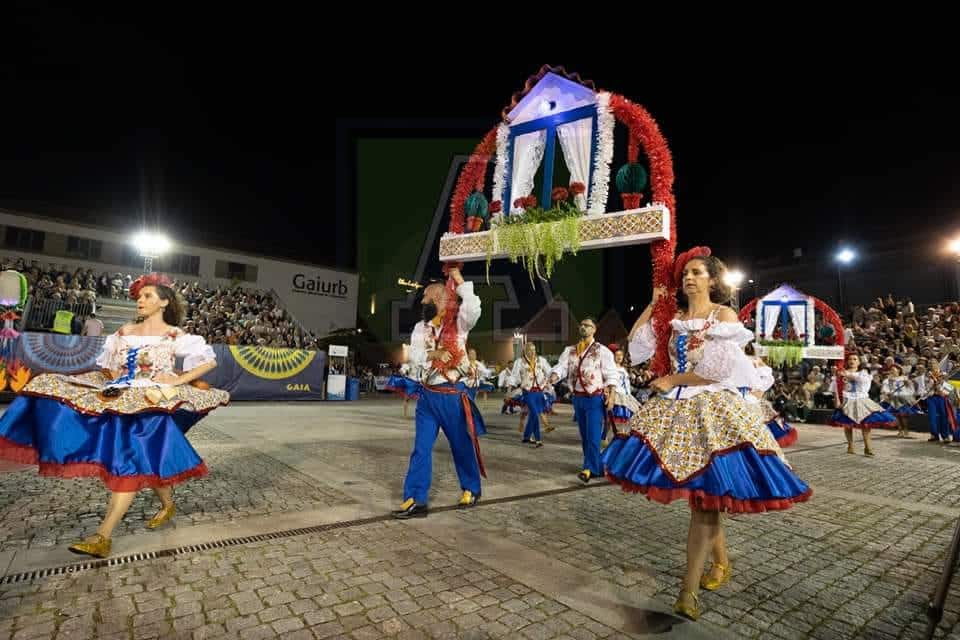
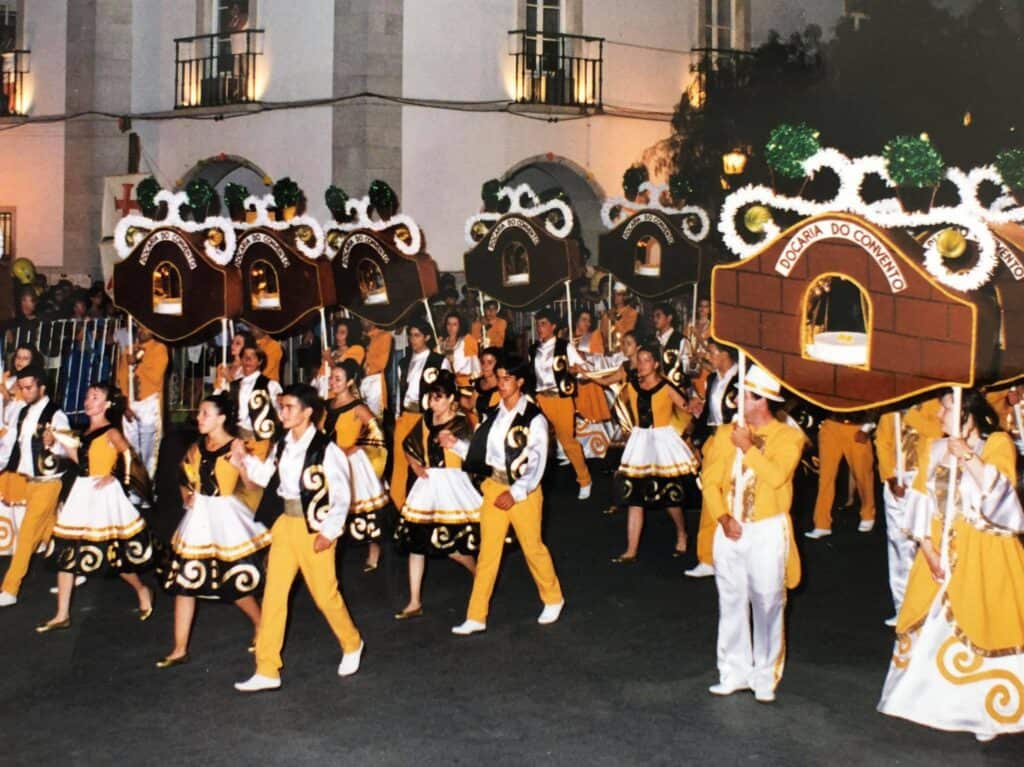
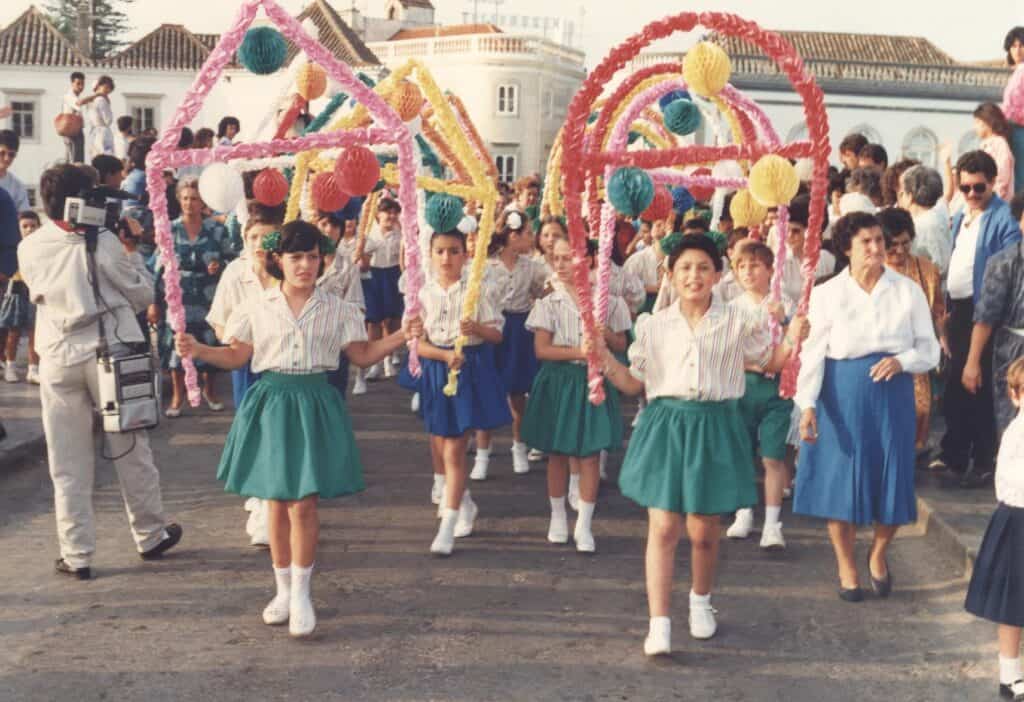
One of the highlights of celebrating Saint John in Portugal is the Marchas Populares de São João. These are choreographed parades that people from all the locality’s neighbourhoods participate in. It is another wide community event in which neighbourhoods compete against each other for the best choreography, song and costumes. Each year there is a different tema (theme). Streets dressed up with decorative banners, ribbons, and garlands create a vibrant tapestry of colour. The parade procession features intricately decorated floats, each showcasing scenes from the life of the beloved saint. Moreover, the air resounds with the lively beat of traditional music, as participants don traditional costumes and dance joyfully along the route.
The Spectacular Hot Air Balloon Launch in Porto
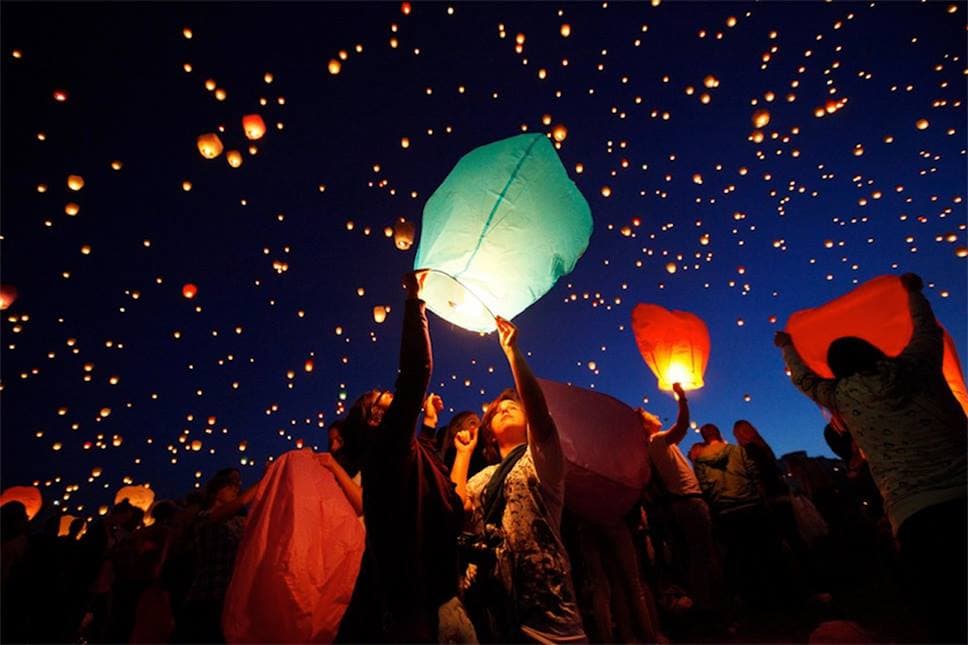
As the sun sets over the vibrant city of Porto, excitement fills the air. It’s São João, a night of enchantment and revelry. Here, there’s a special event that promises to take your breath away – the hot air balloon launch. Picture this: majestic balloons towering over the Porto skyline, their vibrant colours illuminating the night sky. As the crowd gathers, anticipation builds, and the sound of burners igniting fills the atmosphere. With a gentle whoosh, the balloons start to ascend, carrying the hopes and dreams of those who dare to embark on this thrilling adventure.
From up above, you’ll witness the city transform into a sparkling wonderland, with the São João festivities spreading their magic throughout the streets below. It’s a truly mesmerising sight, an experience that will leave you in awe and create memories to last a lifetime. So, if you find yourself in Porto during São João, don’t miss the chance to witness this breathtaking hot air balloon launch – a moment that will make your heart soar and fill your soul with the joyous spirit of São João.
Read more details about the Balões de São João here.
Frequently Asked Questions
Conclusion
São João in Portugal is a celebration that captures the essence of Portuguese culture – warmth, friendliness, and a zest for life. It is a time when the streets come alive with joyful people, delicious food, and the echoes of laughter and music. Whether you’re tapping a stranger’s head with a toy hammer or savouring the taste of grilled sardines,São João is an experience that will leave an indelible mark on your heart and create lasting memories. So, if you find yourself in Portugal in late June, be sure to join in the revelry and immerse yourself in the magic of São João!
Is São João’s Day a National Holiday?
Yes and no. While everyone in Portugal recognises and most celebrate it, it’s a municipal holiday. Meaning that only in some municipalities will it be a bank holiday. This is the same for the other two popular saint days (Santo António and São Pedro). The following municipalities in Portugal will celebrate o Dia de São João as a bank holiday:
Alcácer do Sal (Setúbal), Alcochete (Setúbal), Almada (Setúbal), Almodôvar (Beja), Angra do Heroísmo (Açores), Armamar (Viseu), Arronches (Portalegre), Braga (Braga), Calheta (Madeira) (Madeira), Castelo de Paiva (Aveiro), Castro Marim (Faro), Cinfães (Viseu), Figueira da Foz (Coimbra), Figueiró dos Vinhos (Leiria), Horta (Açores), Lourinhã (Lisboa), Lousã (Coimbra), Mértola (Beja), Moimenta da Beira (Viseu), Moura (Beja), Nelas (Viseu), Porto (Porto), Santa Cruz das Flores (Açores), São João da Pesqueira (Viseu), Tabuaço (Viseu), Tavira (Faro), Valongo (Porto), Vila do Conde (Porto), Vila do Porto (Açores), Vila Franca do Campo (Açores), Vila Nova de Gaia (Porto).
Related Posts for further reading:
- The Popular Saints of Portugal
- Os Tronos de Santo António
- Celebrating Saint Anthony in Portugal
- As Noivas de Santo António
- Manjerico de Santo António
- Cascatas de São João
- Balões de São João
- Leeks and Hammers for São João
- São Pedro in Portugal
- Rusgas de São Pedro
June in Portugal | Portuguese Culture | The Portuguese Learning Hub