
Olá pessoa! Today, we embark on a joyful journey exploring the delightful dia da Espiga, one of Portugal’s cherished traditions. Join me as we delve into the beauty of this celebration, discovering its origins, significance, and the enchanting customs that make it so special.
Unveiling the Origins
The Dia da Espiga, also known as the Day of the Ear of Wheat, is deeply rooted in Portuguese culture and has a long history. This captivating tradition blends ancient pagan customs with Christian influences, resulting in a unique celebration that captures the essence of Portuguese identity.
The Essence of the Traditional Dia da Espiga
The Espiga, a carefully crafted bundle of various plants, is at the core of this vibrant tradition. Wheat, olive branches, poppies, rosemary, and other wildflowers blend, symbolizing a tapestry of wishes. Each plant carries a special meaning, representing desires for prosperity, health, love, abundance, and protection.
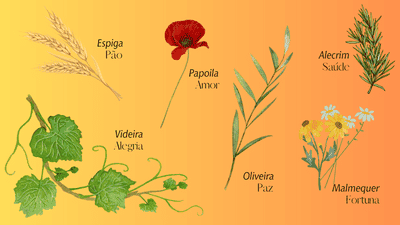
- Espiga (ear of wheat) –pão (bread)
- Malmequer (daisy) –fortuna (fortune)
- Papoila (poppy) –amor (love)
- Oliveira (olive tree) –paz (peace)
- Alecrim (rosemary)-saúde (health)
- Videira (grapevine) –alegria (joy)
The Magic Within
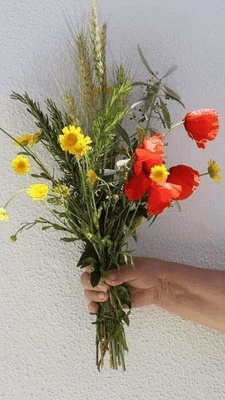
Legend has it that the Espiga possesses magical powers, acting as a talisman to ward off evil and bring good fortune. The Portuguese hold this belief close to their hearts, often carrying the Espiga with them throughout the year or adorning their homes for protection and blessings.
If you’d like to know more about some of Portugal’s other superstitions and good fortune amulets, read my post about 13 superstitions in Portugal.
A Tapestry of Celebrations
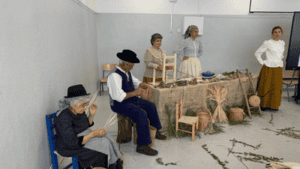
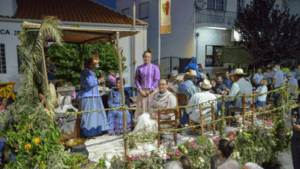
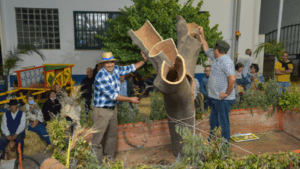
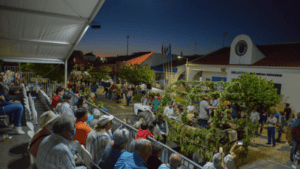
The Dia da Espiga is not merely a solitary affair but a joyous occasion to connect with loved ones and celebrate the marvels of nature. Families and friends venture into the countryside, indulging in delightful picnics, sharing heartfelt meals, and engaging in traditional dances and songs. Laughter fills the air as old customs intertwine with modern festivities, creating a vibrant tapestry of celebration.
Region by Region
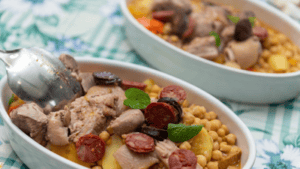
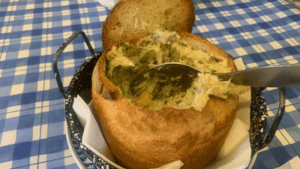
As we traverse the country, we uncover the regional nuances of this celebration. From north to south, Portugal embraces the Dia da Espiga in its unique way. Interesting to note that it’s more prominent in inland locations and not in seaside towns and villages. Local customs, special recipes, and distinct rituals colour each region, allowing for a rich and diverse experience of this beloved tradition.
A Timeless Connection
While traditions evolve, this celebration stands as a testament to the enduring connection between the Portuguese people and their heritage. This cherished celebration reminds us of the importance of preserving our cultural identity. And also nurturing our bonds with nature, and fostering a sense of unity within our communities.
As we conclude our exploration of the Dia da Espiga, let’s embrace the magic and charm that this tradition imparts. As the seasons change, let us carry the spirit of the Espiga within us, spreading its blessings wherever we go. May we treasure our cultural heritage, and foster connections with nature. And continue to celebrate the unique traditions that make our world a more vibrant and joyful place.
Three Portuguese Sayings for this Celebration
Do you have something like The Delightful Dia da Espiga in your culture? I’d love to hear about it! So, until next time, keep embracing traditions and savouring the beauty that surrounds us!
With warm wishes, Adelina
Would you like to receive updates on my new posts and lessons? Then don’t forget to sign up to my newsletter below. And don’t worry, I won’t spam you with endless weekly emails!
Portuguese Culture | May in Portugal | The Portuguese Learning Hub