

Carnaval: Religious or secular? It’s definitely a time of exuberant costumes, lively music, and indulgence before the solemn season of Quaresma (Lent). But is Carnaval a celebration of excess before Lent? Is it a religious festival or a purely secular celebration? The answer depends on where you look. Across Portugal, Brazil, Italy, the Netherlands, and even New Orleans, Carnaval has deep Catholic origins. However today, it often seems more about parties than piety. Let’s explore how different countries celebrate and how their traditions connect back to the Catholic calendar.
The Catholic Foundations of Carnaval
The word Carnaval likely comes from the Latin “carne vale,” meaning “farewell to meat,” reflecting the pre-Lenten feasting before the fasting period of Lent. Traditionally, Catholics refrained from meat, dairy, and rich foods for 40 days before Easter. Carnaval was the last opportunity to indulge before the season of prayer, fasting, and almsgiving.
Although many modern celebrations are secular, the Catholic structure of Carnaval remains: it ends on Shrove Tuesday (Mardi Gras/Fat Tuesday), followed by Ash Wednesday, the start of Lent.
Carnaval in Different Cultures: One Origin, Many Faces
Portugal 🇵🇹 – Traditional and Folkloric
In Portugal, Carnaval combines Catholic tradition with folk influences:
- Cities like Lisbon, Torres Vedras, Loulé and Ovar host massive parades, blending Brazilian samba influences with Portuguese customs.
- In rural regions, like Podence, men dress as “Caretos”—masked figures in colourful fringed costumes, an ancient pagan tradition that merged with Catholic festivities.
- The festival ends on Terça-feira Gorda (Fat Tuesday), before the Lenten fast begins on Quarta-feira de Cinzas (Ash Wednesday).
Read more about Carnaval in Portugal

Brazil 🇧🇷 – Catholicism Meets Samba
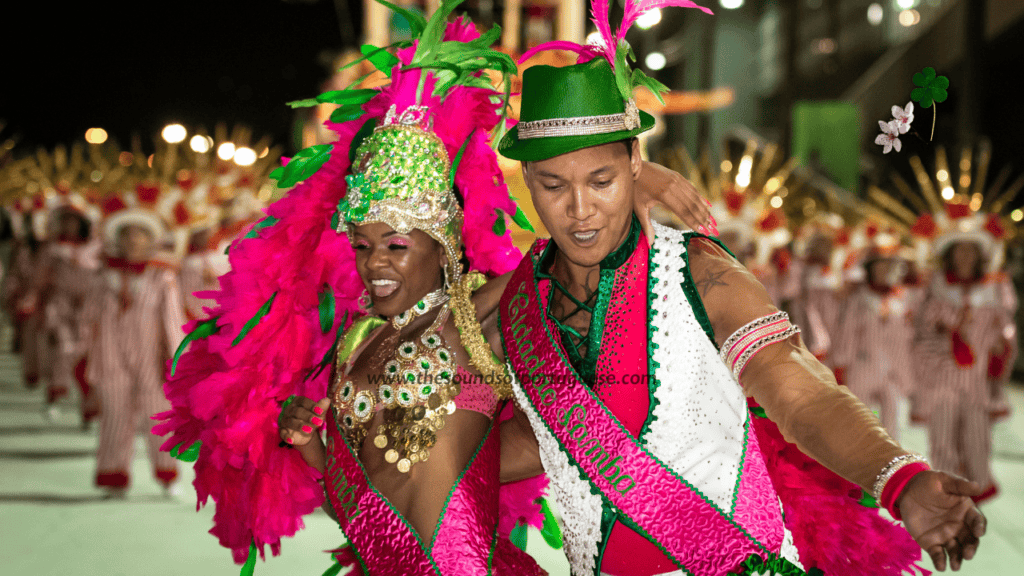
Brazil’s Carnaval is one of the most famous in the world, but its roots remain Catholic:
- Introduced by Portuguese Catholics, it evolved into a festival of music, dance, and extravagant parades.
- Samba schools compete in Rio de Janeiro, while street parties (“blocos“) take over São Paulo, Salvador, and Recife.
- Despite its party atmosphere, many Brazilians still attend Ash Wednesday Mass as part of their faith.
Italy 🇮🇹 – Venetian Elegance and Tradition
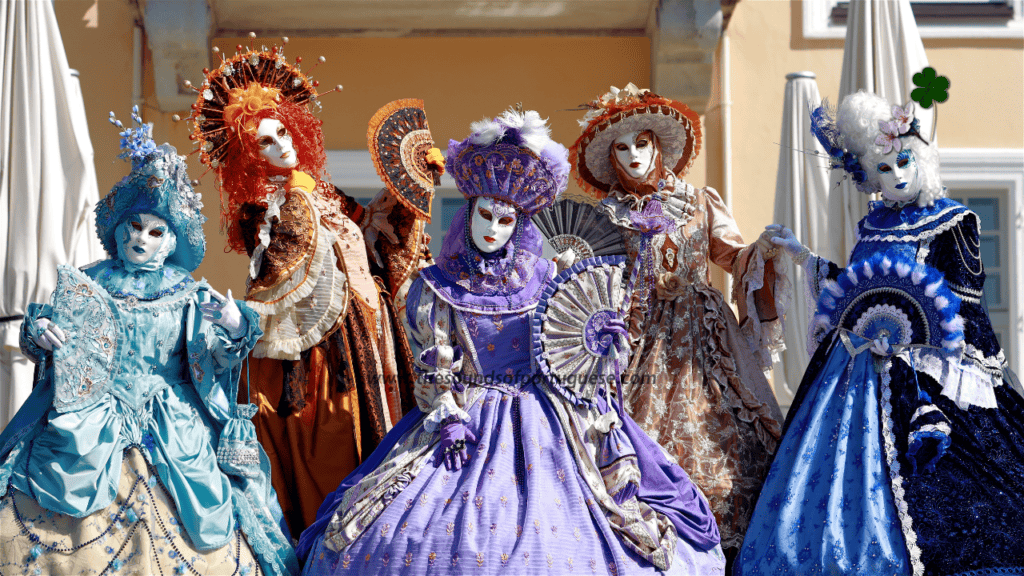
Italy’s Carnevale is best known for the Venetian masks and grand masquerade balls:
- Dating back to medieval Catholic feasts, it allowed people to disguise themselves and break social norms before Lent.
- The most famous is Carnevale di Venezia, with its ornate masks and opulent costumes.
- Other cities, like Viareggio, host elaborate float parades, blending satire and tradition.
The Netherlands 🇳🇱 – A Catholic Stronghold in the Protestant North
Carnaval in the Netherlands is primarily celebrated in the Catholic southern provinces of Noord-Brabant and Limburg:
- Each city elects a “Prins Carnaval,” a symbolic ruler who takes over for the festival.
- Cities temporarily change their names (e.g., Den Bosch becomes “Oeteldonk”).
- Brass bands, street parades, and costumes dominate the celebrations.
- Unlike the Protestant north, the Catholic south still observes Ash Wednesday as a transition into Lent.

New Orleans 🇺🇸 – Mardi Gras, Catholic in Origin, American in Style
New Orleans’ Mardi Gras (Fat Tuesday) was introduced by French Catholic settlers:
- Parades are organized by “Krewes,” a tradition linked to medieval Catholic processions.
- The famous King Cake is eaten throughout the Epiphany season, with a baby figurine inside representing Christ.
- Like in Europe, the festival culminates on Mardi Gras, before Lent begins on Ash Wednesday.


Portuguese King Cake (Christmas and Epiphany)
Carnaval: Religious or Secular?
From a Christian perspective, Carnaval (or Carnival) is traditionally seen as a festive period leading up to Lent, the 40-day season of fasting and penance before Easter. However, many Protestant traditions, particularly more conservative ones, have been critical of Carnaval, seeing it as an excessive and sinful festival. Evangelical and Pentecostal Christians often view Carnaval as a time of moral excess and worldly distractions.
The decision to celebrate it depends on personal conviction. Some see it as a cultural and joyful tradition, while others avoid it due to its association with excess and immorality. Many believers choose to focus on the spiritual aspects of Lent, using the season for prayer, fasting, and preparation for Easter.
Since Carnaval is rooted in the Catholic liturgical calendar, the Church does not condemn it outright. Instead, it emphasizes that the festival should not become an excuse for sinful behaviour. Many Catholics participate in Carnaval but also observe Ash Wednesday and Lent as a time of repentance.
| Country/Region | Festival Name | Catholic Connection | Famous Traditions |
|---|---|---|---|
| Portugal 🇵🇹 | Carnaval | Pre-Lenten feast | Parades, “Caretos” in Podence |
| Brazil 🇧🇷 | Carnaval | Portuguese Catholic influence | Samba parades, street parties |
| Italy 🇮🇹 | Carnevale | Medieval Catholic traditions | Venetian masks, Viareggio floats |
| Netherlands 🇳🇱 | Carnaval | Southern Catholic regions | Prins Carnaval, city name changes |
| New Orleans 🇺🇸 | Mardi Gras | French Catholic influence | King Cake, Krewes, parades |
Final Thoughts
Whether you experience samba in Brazil, Venetian masks in Italy, or Mardi Gras beads in New Orleans, Carnaval remains a fascinating blend of religion, history, and cultural expression. So, next time you see a parade or a flamboyant costume, remember: Carnaval isn’t just about excess—it’s a last joyful celebration before the season of reflection and sacrifice begins.
Would you like to read more about Carnaval in Portugal?
Want to learn about other February traditions in Portugal?