
Portuguese isn’t just a language you study; it’s a language people live in. To truly understand it, you need to experience the culture behind it.
From long family lunches to heartfelt music, from quick coffees at the counter to vibrant street festivals, everyday life in Portugal shapes how people speak, joke, invite, thank, complain, and show affection.
If you’ve ever thought, “I understand the words, but I still feel a bit lost”, it’s usually culture that’s the missing piece.
Explore Portuguese Culture
Portuguese culture is shaped by a mix of tradition, religion, history, and everyday social habits. Some themes appear again and again: in festivals, food, music, and even in the way people speak.
Here you can explore some of the big cultural pillars of Portugal, from popular celebrations and national holidays to the role of music and food in daily life. These topics help you understand not just what happens in Portugal, but why it matters to the people who live here.
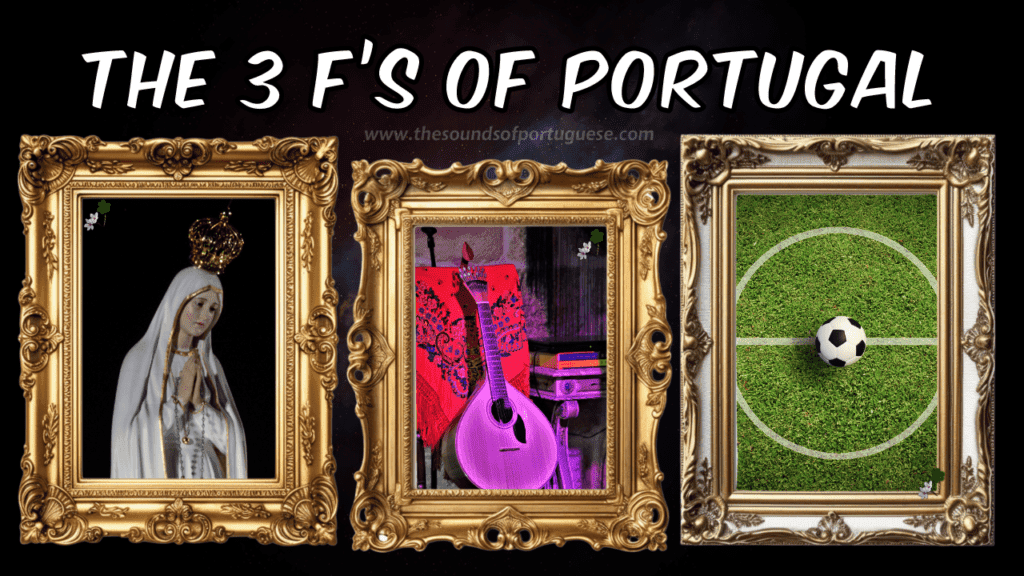
The 3 F’s of Portugal
In this post, I’m taking you through the three F’s of Portugal: Fado, Fátima, and Football.
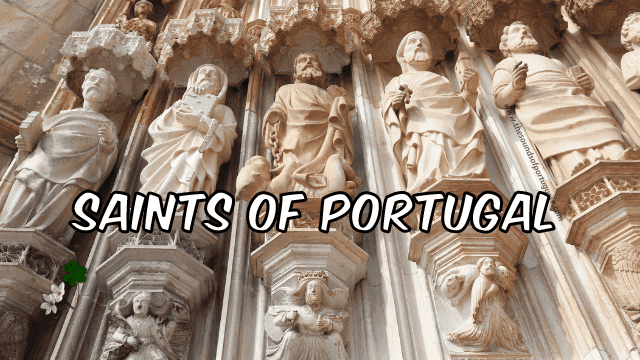
The Saints of Portugal
This is a short list of some of the Saints of Portugal. It also includes the Blessed or those who have connections with Portugal.
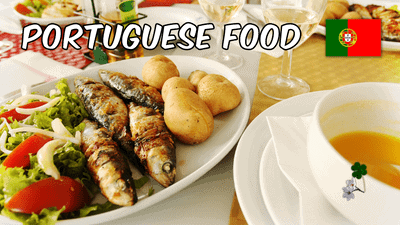
Portuguese Food
Food is often a great conversation starter, so come and learn more about Portuguese food and the traditions associated with it.

🎂Learn How to Sing Happy Birthday in Portuguese
This is a highly searched-for, high-view video on YouTube!
Portuguese Traditions by Month
In Portugal, the calendar isn’t just about dates: it’s about traditions. Different times of year bring different foods, festivals, religious celebrations, and local customs. Some are nationwide, while others are deeply regional.
Stories, Legends, and Folklore
Like many cultures, Portugal has a rich tradition of legends and popular stories passed down through generations. These tales often mix religion, history, and imagination, and they still form part of cultural identity today.
You’ll hear references to these stories in schools, local traditions, and even casual conversation. They offer a glimpse into the values, beliefs, and symbolism that have shaped Portuguese culture over time.
History That Shaped Portuguese Culture
Portugal’s culture is deeply influenced by its history: from monarchy to republic, from dictatorship to democracy, and from maritime discoveries to modern European identity.
Understanding key historical moments helps explain national holidays, cultural pride, political attitudes, and even certain sensitivities in conversation. History isn’t just in museums here; it still echoes in everyday life, traditions, and language.
Want European Portuguese lessons?
Reading about Portugal and Portuguese Tradition is great. But real progress comes from structured listening, repetition and guided practice.
Inside the Language Hub, you get:
- Audio-based lessons in European Portuguese
- Comprehension exercises
- Real-world vocabulary
- Clear explanations without overwhelming grammar
If you want to understand Portuguese beyond textbook dialogues, this is your next step.