
This is a short list of some of the Saints of Portugal. It also includes the Blessed or those who have connections with Portugal. The feast days are mostly municipal or parish holidays and not national bank holidays.
These saints have deeply influenced Portuguese history and culture, each offering rich narratives and inspiration. Click here if you’re looking for the June Popular Saints.
A Note on Saints in Portuguese Culture
Portugal has a long Catholic heritage, and many towns, parishes, festivals, and traditions are associated with particular saints. In Catholic teaching, saints are not worshipped. Rather, they are honoured as examples of faith and are believed to pray for the Church in heaven.
Many misunderstandings about saints, Mary, and Catholic traditions come partly from differences in language and the way certain words have changed meaning over time. In Catholic tradition, Mary is not considered a goddess, and saints are not seen as divine beings. They are honoured as holy people who are believed to intercede, or pray, on behalf of others.
Images of saints, including statues and paintings, have also played an important cultural role throughout history. In periods when many people could not read and books, including Bibles, were not widely available, religious art helped communicate biblical stories and the lives of saints visually. These images were intended as reminders of faith and examples to follow, rather than objects of worship.
The words worship and prayer have also carried different meanings across languages and historical periods. In older usage, to “pray” could mean to ask or make a request, while “worship” could refer more broadly to showing honour or respect. This difference in language has contributed to some of the confusion surrounding Catholic practices today.
Many saints are traditionally associated with particular places, professions, or causes and are known as “patron saints”. These patronages developed through history, local traditions, and events connected with the saint’s life. The cultural celebrations described in this article reflect both Portugal’s religious heritage and its local customs.
Beato Gonçalo de Amarante
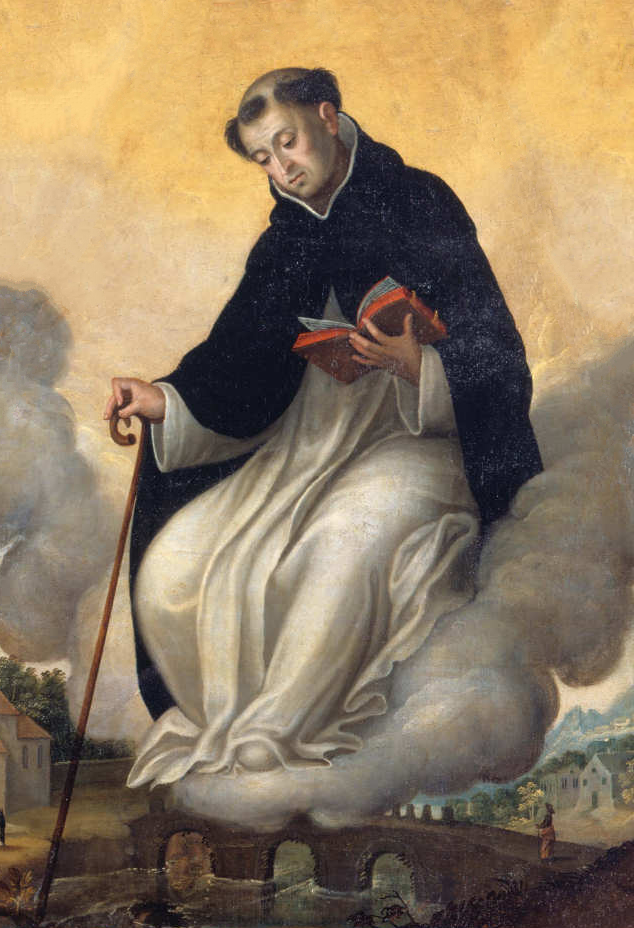
Beato Gonçalo de Amarante was a 13th-century priest known for his miracles and piety. He spent years as a pilgrim and later as a hermit, performing miracles in Jesus’s name and helping the poor.
His devotion to God and the numerous miracles attributed to him led to widespread devotion throughout Portugal, and he remains one of the country’s most beloved religious figures.
His feast day is the 10th of January, but celebrations in Portugal are observed in Amarante during the first week of June. He is widely referred to as São Gonçalo.
São João de Brito
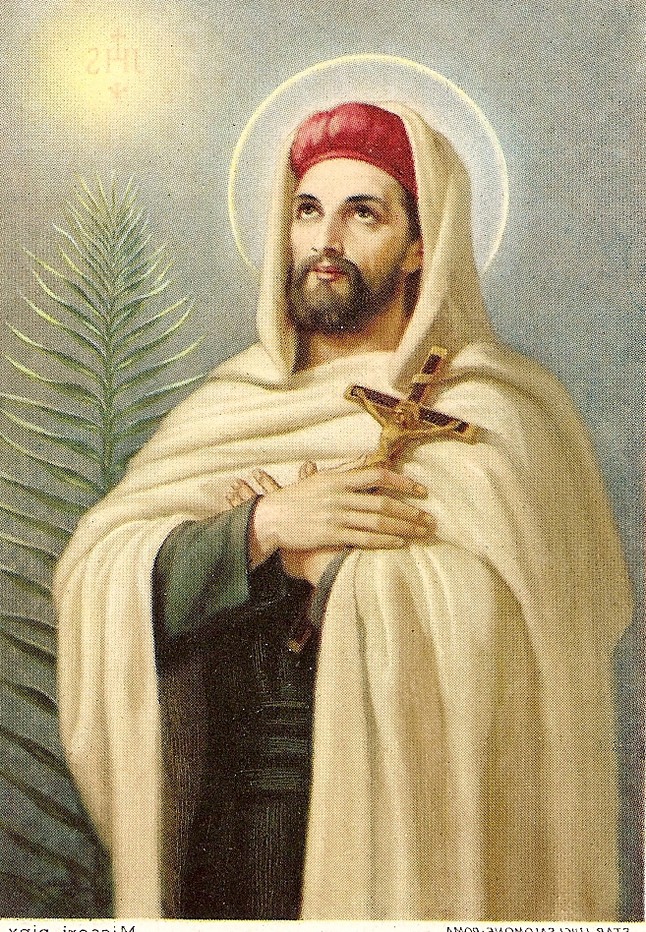
He was a Jesuit missionary in the 17th century who worked extensively in India.
He was martyred for his faith and dedication to spreading Christianity among the local population.
His bravery and missionary work made him one of Portugal’s most respected missionary saints.
His feast day is celebrated on February 4th.
São Teotónio
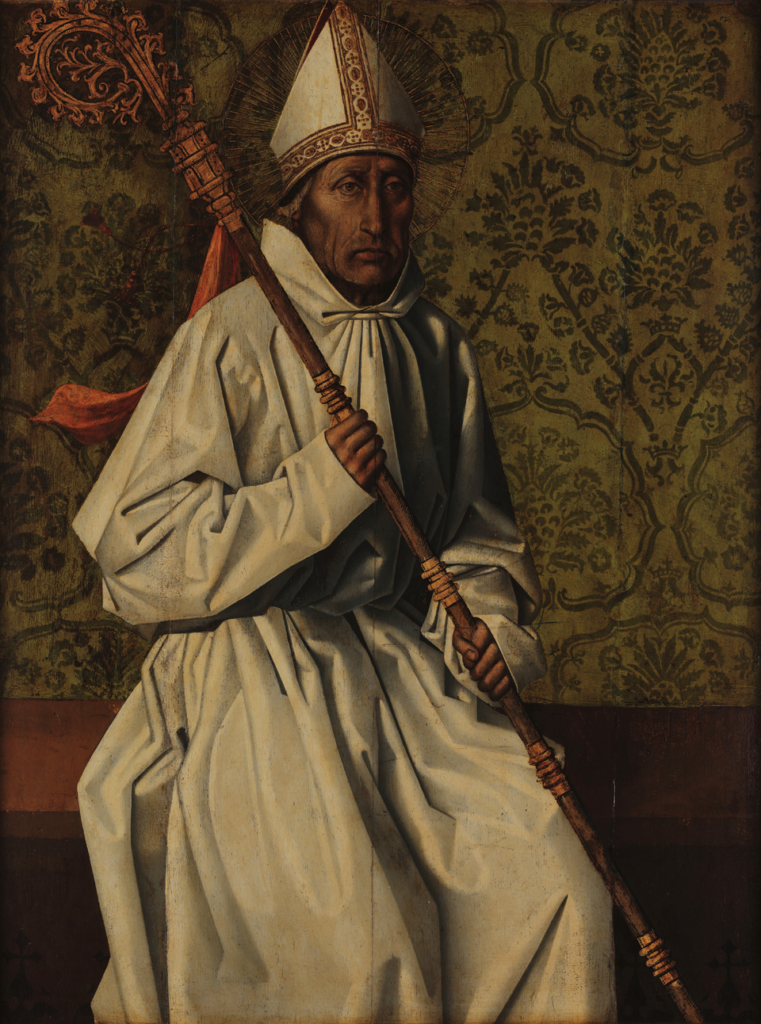
He was the first Portuguese saint, canonised in the 12th century.
He co-founded the Augustinian Order of Canons Regular in Coimbra and was known for his deep devotion, pastoral care, and miracles.
His work in reforming the clergy and his reputation for holiness led to his sainthood.
His feast day is February 18th.
Santa Joana Princesa

She was a Portuguese princess in the 15th century who renounced her royal privileges to join the Convent of Jesus in Aveiro.
Known for her humility, piety, and dedication to the poor, she lived a life of deep spiritual commitment.
Her feast day is May 12th.
Santo António de Lisboa
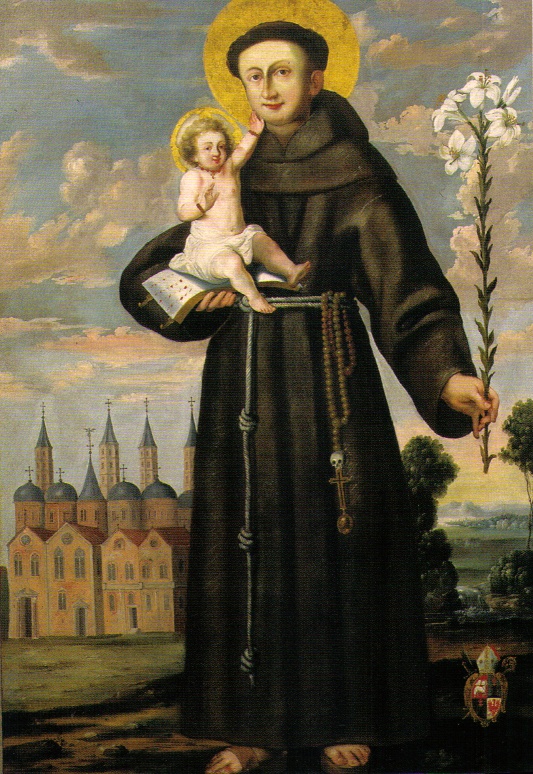
Many know Santo António de Lisboa as Saint Anthony of Padua. He was born in Lisbon in 1195.
He became renowned for his powerful preaching and deep knowledge of scripture.
He performed numerous miracles and is often invoked as the patron saint of lost things.
His feast day is June 13th, a significant celebration in Lisbon.
São João
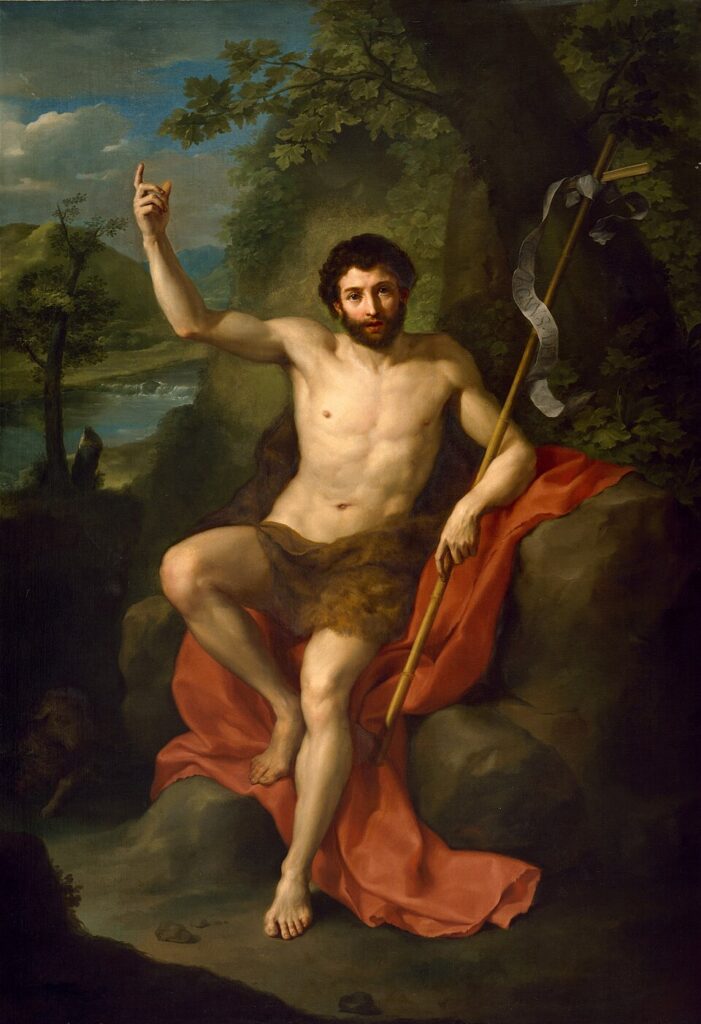
Saint John the Baptist, or São João, is celebrated on June 24th with grand festivities, particularly in Porto and Braga.
Known for baptising Jesus Christ, he is celebrated in Portugal with lively street parties, fireworks, and traditional bailes.
Making it one of the most joyous occasions in Portugal.
São Pedro
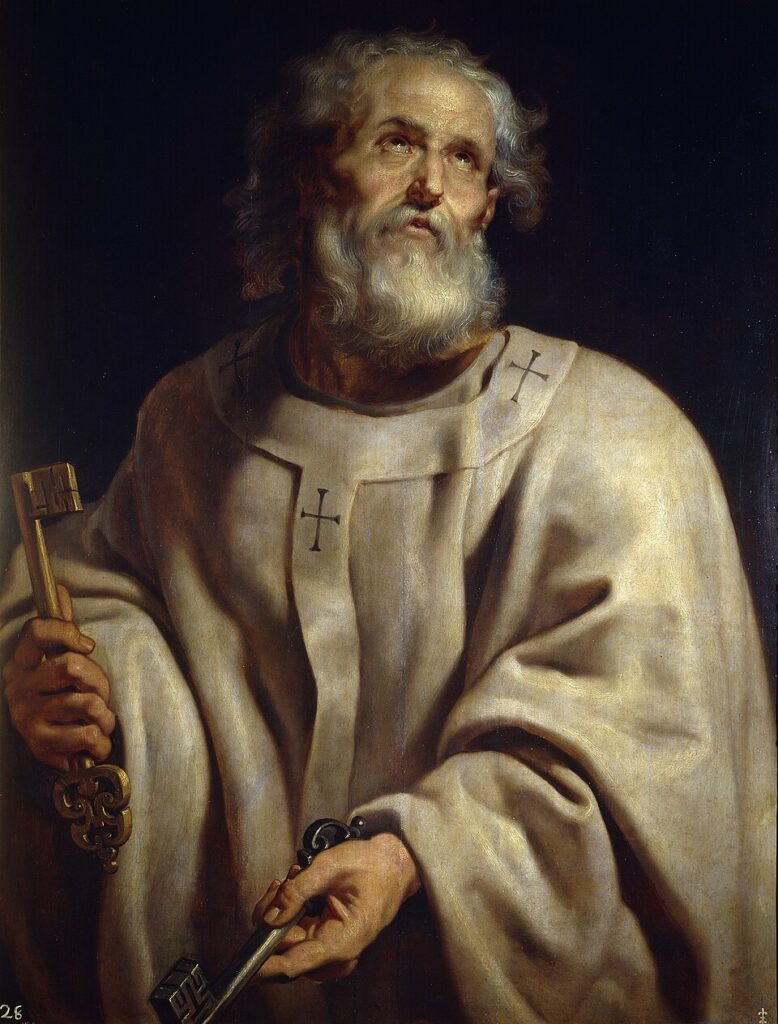
Saint Peter or São Pedro, is celebrated on June 29th.
As one of Jesus’ apostles and the first Pope, he holds a significant place in Christian history.
In Portugal, his feast day includes parades, music, and cultural events.
Especially in coastal towns where he is revered as the patron saint of fishermen.
Santa Isabel de Portugal
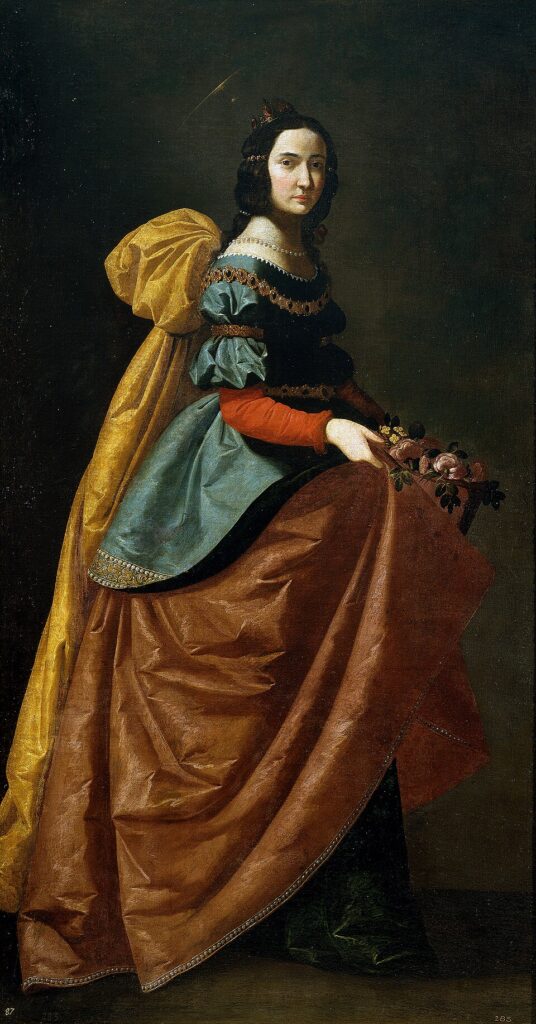
Queen Isabel or Santa Isabel de Portugal was the queen consort of Portugal in the late 13th and early 14th centuries.
She was known for her charitable works, peacemaking efforts, and profound piety.
She is especially remembered for the Miracle of the Roses, where roses appeared in her cloak when she was caught carrying bread to the poor.
Her feast day is celebrated on July 4th.
Santa Beatriz da Silva
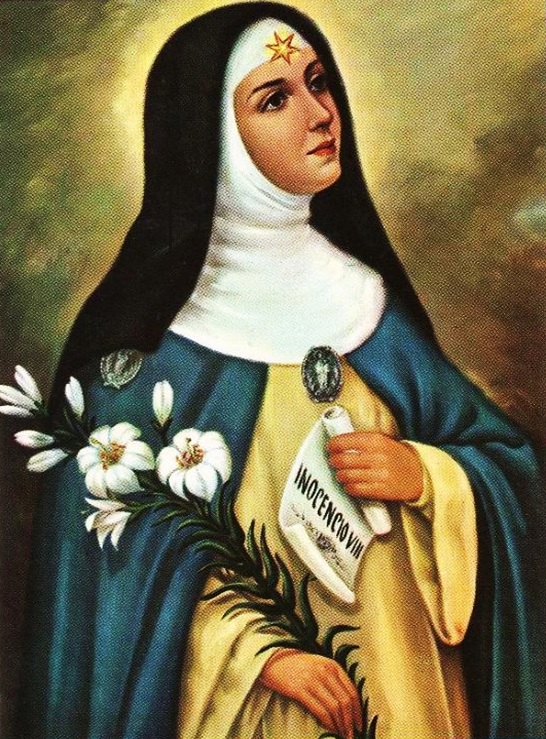
She was a 15th-century noblewoman and the founder of the Conceptionist Order.
Known for her deep spiritual experiences and devotion to the Virgin Mary, she dedicated her life to prayer and the promotion of Marian devotion.
Her feast day is celebrated on August 17th.
São Nuno de Santa Maria

He was also known as Nuno Álvares Pereira and was a military leader in the 14th century. He played a pivotal role in securing Portugal’s independence at the Battle of Aljubarrota.
After his military career, he joined the Carmelite Order, dedicating his life to prayer and charity.
He was canonised in 2009, and his feast day is November 6th.
São Martinho de Tours
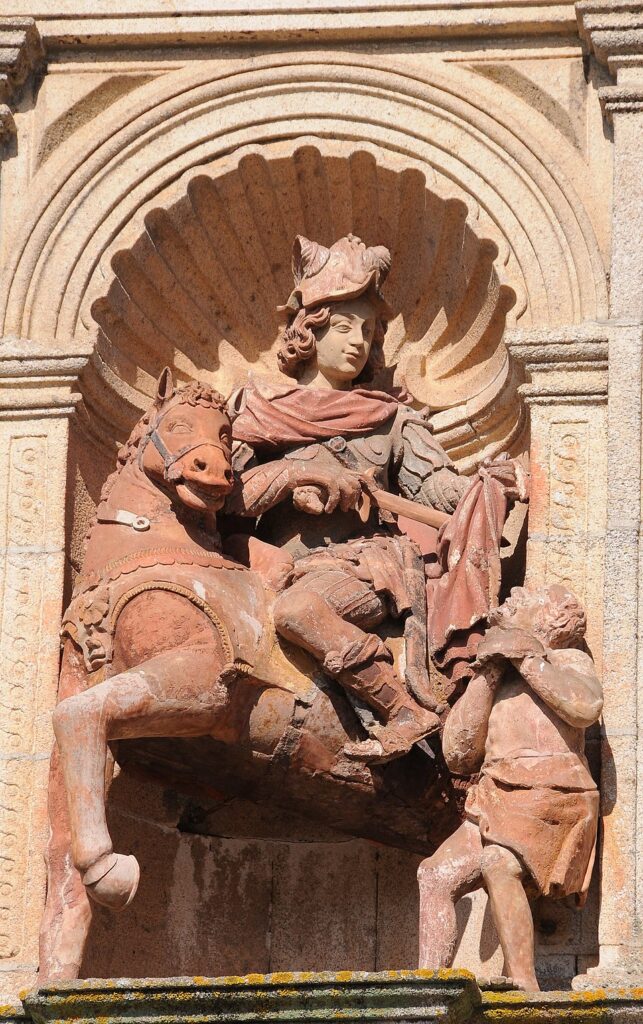
Saint Martin or São Martinho de Tours, celebrated on November 11th, was a Roman soldier who converted to Christianity and became a monk.
Known for cutting his cloak in half to share with a beggar, he became a bishop and is remembered for his humility and generosity.
His feast day has many traditional celebrations, such as eating roasted chestnuts (castanhas) and drinking jeropiga.