

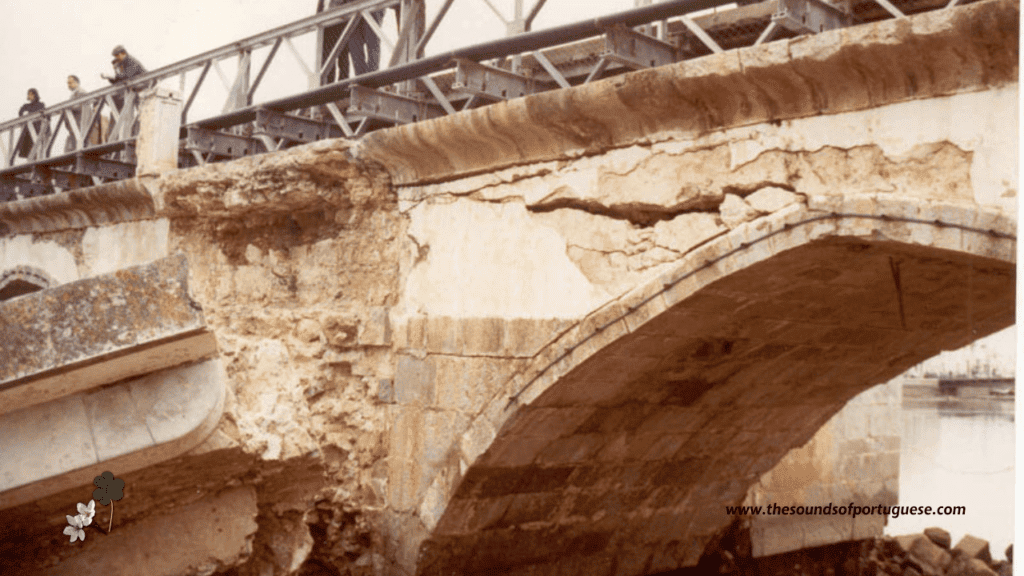
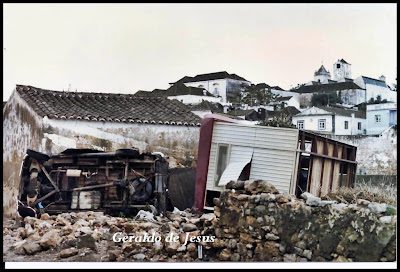
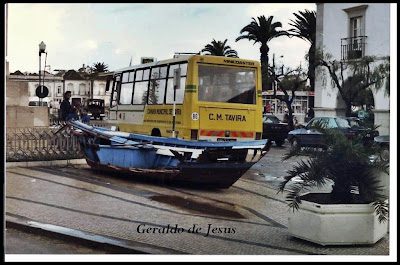
Tavira’s 1989 flood happened during one of the Algarve’s most destructive storms. On 3rd December, heavy rain and fierce winds hit the region. The Gilão River overflowed, flooding streets and homes in Tavira. The storm highlighted the weaknesses in local infrastructure and caused significant damage. It was a powerful reminder of nature’s force and the town’s resilience. This year, 2024, marks the 35th anniversary of this catastrophe.
How the Flooding Unfolded
Firstly, the storm wasn’t a sudden event. In the days leading up to 3rd December, the Algarve had already experienced unusually heavy rainfall. This saturated the ground and swelled rivers across the region. The Gilão River, which meanders through Tavira, was particularly vulnerable. Secondly, on the night of the storm, relentless downpours overwhelmed the riverbanks, turning its usually tranquil flow into a torrent of muddy, fast-moving water.
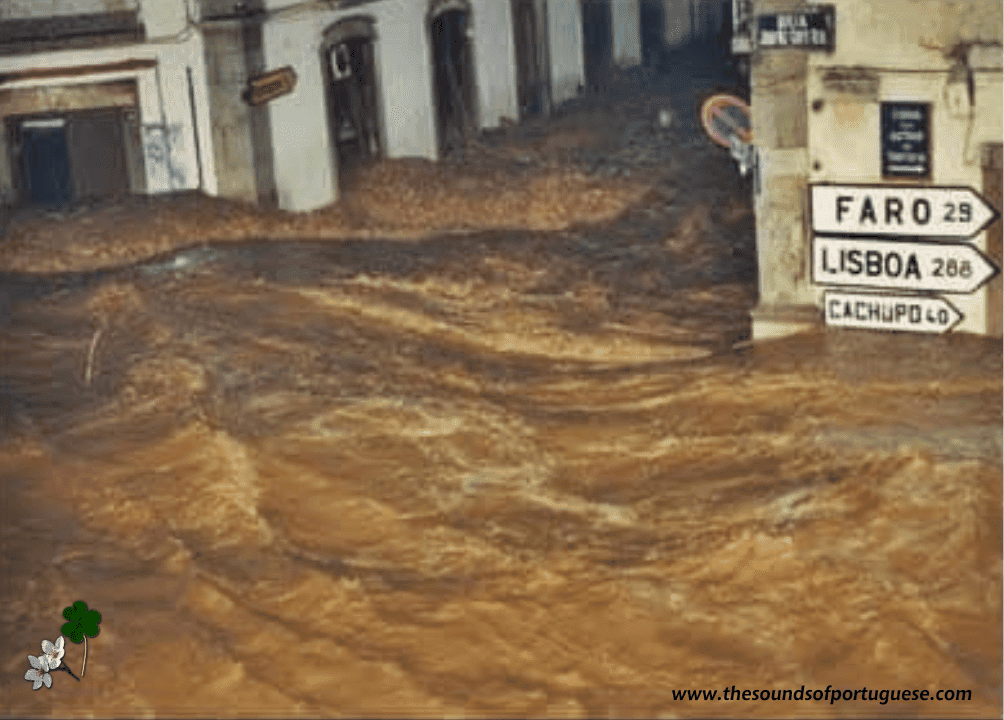
The inadequate drainage systems in place at the time compounded the problem. Water pooled rapidly in low-lying parts of the town, flooding streets, homes, and businesses. Tavira’s historic centre, with its cobbled streets and buildings close to the river, suffered extensive damage. Cars were swept away, and citrus groves – the backbone of the local economy -were submerged, causing significant agricultural losses.


A Community Tested
In the face of disaster, Tavira’s residents showed incredible solidarity. Neighbours worked together to salvage belongings, protect vulnerable individuals, and begin the slow process of recovery. Emergency services were stretched thin, given the widespread impact of the storm across the Algarve, but local efforts proved vital in limiting the loss of life and stabilising the community.

The aftermath saw authorities committing to major infrastructural improvements. Drainage systems were upgraded, and flood defences were bolstered to prevent such a disaster from recurring. These measures have since played a crucial role in safeguarding Tavira against similar weather events.
Tavira’s Legacy of Resilience
For those who lived through it, the storm of 1989 is etched into Tavira’s history. It remains a symbol of both vulnerability and resilience, a reminder of the town’s capacity to rebuild and endure. Visitors to Tavira today might stroll along the Gilão River or admire the rebuilt structures without realising the challenges faced by the community over three decades ago.

You can see this mark at Rua Borda D’Água em Tavira – The waters reach just under 2 metres in height (78.74 inches)
Learning Portuguese Through Tavira’s History
Real-Life Vocabulary:
- chuva torrencial (torrential rain)
- cheias or inundações (floods)
- solidariedade (solidarity)
- Deslizamentos de terra (landslides)
- Tempestades (storms)
- Ajuda humanitária (humanitarian aid)
- Resgate (rescue)Evacuações (evacuations)
- Bens essenciais (essential goods)
- Prevenção de desastres (disaster prevention)
- Planos de emergência (emergency plans)
- Alterações climáticas (climate change)
- Impacto ambiental (environmental impact)
- Reabilitação de infraestruturas (infrastructure rehabilitation).
Related Posts for Further Reading
- When Portugal Ceased to be a Monarchy
- Batalha de Aljubarrota
- The Carnation Revolution
- The Restoration of Independence
Portuguese History | Portuguese Culture | The Portuguese Language Hub