The Symbol of the Revolution

In 1974, Celeste Caeiro was 40 years old and lived in a room she rented in Chiado, with her mother and daughter. She worked on Braancamp Street, cleaning at the Franjinhas restaurant, which had opened a year earlier. She was the woman who sparked the beginning of The Symbol of the Revolution. Who is Celeste … Read more

Carnation Revolution (Revolução dos Cravos): Simple Explanation + Portuguese Vocabulary

Red carnations symbolizing the Carnation Revolution in Portugal, 25th April 1974

The Carnation Revolution (Revolução dos Cravos) was a peaceful military coup that took place in Portugal on 25 April 1974. It ended decades of dictatorship under the Estado Novo regime and led to democracy. Today, it remains one of the most important events in Portuguese history and culture. We celebrate it every year as Dia … Read more

The 1640 Restoration of Independence

Restauração da Independência 1640 – historic depiction of Portugal regaining independence from Spain

In the shadows of Portugal’s history exists a tale of resilience, rebellion, and the pursuit of freedom – The 1640 Restauration of Independence. 120 conspirators stormed the Paço da Ribeira in Lisbon on the crisp morning of December 1, 1640. Their mission? To overthrow the Spanish dynasty that had held sway over Portugal since 1580, … Read more

The Battle of Aljubarrota

A Batalha de Aljubarrota – historical painting depicting the famous 1385 battle in Portugal

A Decisive Turning Point in Portuguese History The Battle of Aljubarrota fought in the late afternoon of August 14, 1385, is a pivotal moment in Portugal’s history. This epic confrontation unfolded between Portuguese forces, led by D. João I of Portugal and his constable D. Nuno Álvares Pereira, supported by English allies, and the Castilian … Read more

8th of December in Portugal

Statue of Our Lady representing the Immaculate Conception surrounded by white tulips on a blue background

The 8th of December in Portugal is a cherished holiday and a day of jubilation. As someone passionate about sharing Portuguese culture, I’m excited to delve into the unique aspects of this national holiday. The Divine Origin At its core, this celebration pays homage to the life and virtue of the Virgin Mary, mother of … Read more

Nuno Álvares Pereira

The Holy Constable and Defender of Portuguese Independence Nuno Álvares Pereira, also known as the Holy Constable or formerly by São Nuno de Santa Maria, was a distinguished 14th-century Portuguese nobleman and general. He was born on June 24, 1360, in Paço do Bonjardim this man’s legacy is intricately woven into the fabric of Portugal’s … Read more

The Aljubarrota Baker

A legendary heroine emerges from Portuguese pages of time – Brites de Almeida, the Baker of Aljubarrota. Her name is forever intertwined with the triumphant historic Battle of Aljubarrota in 1385. Clad in bravery and armed with her baker’s spade, Brites de Almeida etched her place in folklore by single-handedly dispatching seven Castilians she discovered … Read more

Dia de Portugal

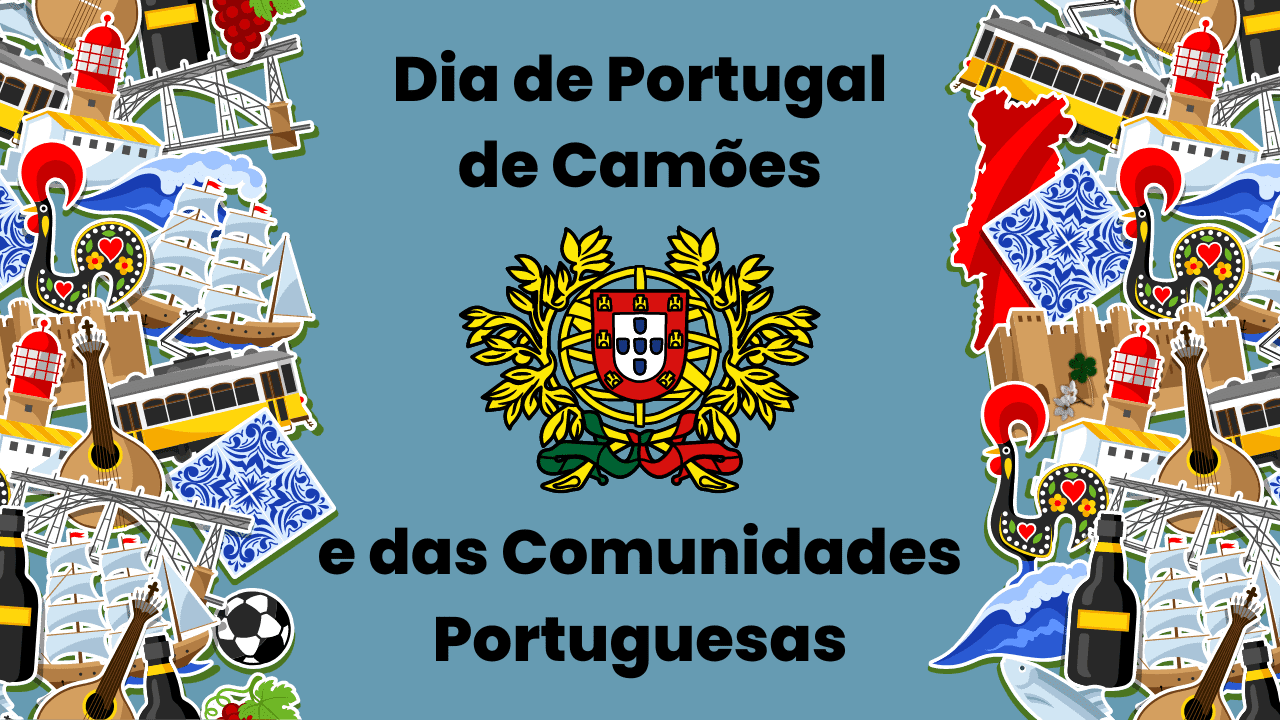
Portuguese Republic coat of arms surrounded by Portuguese cultural symbols for Dia de Portugal, Camões e das Comunidades Portuguesas

We celebrate Dia de Portugal, Camões and Portuguese Communities every year on the 10th of June. The date of the death of the poet Luís de Camões. This day pays tribute to Portugal, the Portuguese, Lusophone culture and the Portuguese presence worldwide. o Dia de Portugal, de Camões e das Comunidades Portuguesas Luís de Camões … Read more

Manjerico de Santo António

The Manjerico de Santo António is a traditional staple of Saint Anthony festivities and also the other popular saints’ celebrations in Portugal. Come with me to find out more about this aromatic plant and find out why we buy it and who we give it to. o manjerico de Santo António (Saint Anthony’s bush basil) … Read more

Celebrating Saint Anthony in Portugal

Olá pessoal! Every year on 13 June, Portugal celebrates Saint Anthony’s Day (o Dia de Santo António), one of the country’s most beloved summer festivals. Part of the wider Santos Populares celebrations, the festivities are especially famous in Lisbon, the birthplace of Saint Anthony. From the colourful Marchas Populares and traditional sardine feasts to the … Read more