

Olá pessoal! Every year on 13 June, Portugal celebrates Saint Anthony’s Day (o Dia de Santo António), one of the country’s most beloved summer festivals. Part of the wider Santos Populares celebrations, the festivities are especially famous in Lisbon, the birthplace of Saint Anthony. From the colourful Marchas Populares and traditional sardine feasts to the Noivas de Santo António weddings and religious processions, this Portuguese celebration combines history, faith, romance, music, and food in a uniquely Portuguese way.
- Saint Anthony's Day in Portugal: Quick Facts
- A Historical Connection
- Espírito Bairrista
- As Marchas Populares de Santo António
- Marriage Proposals and Courtship Traditions
- As Noivas de Santo António
- Saint Anthony's Procession
- Grilled Sardines and Bush Basil
- Os Tronos de Santo António
- Is Saint Anthony's Day a National Holiday?
- Dia de Santo António FAQ
- Related Posts for further reading:
Saint Anthony’s Day in Portugal: Quick Facts
| Question | Answer |
|---|---|
| Date | 13 June |
| Portuguese name | Dia de Santo António |
| Celebrated in | Throughout Portugal |
| Main celebrations | Lisbon |
| Patron saint of Lisbon | Santo António |
| Traditional foods | Sardinhas assadas, caldo verde, bifanas |
| Famous traditions | Marchas Populares, Noivas de Santo António, manjericos |
| Public holiday? | Municipal holiday in some municipalities |
A Historical Connection
The 13th of June marks the feast day of Saint Anthony of Lisbon, also known as Saint Anthony of Padua. With deep roots in Portuguese history, Santo António holds a special place in the people’s hearts. This day’s festivities are particularly vibrant in Lisbon, the city of which people proudly claim him as its patron saint. Saint Anthony was born in Lisbon and died in Padua, Italy on the 13th of June 1231.
Note: Although most Lisboners will say Saint Anthony is Lisbon’s main patron saint, it is, in fact, Saint Vincent (São Vicente).
Espírito Bairrista
We can’t mention o Dia de Santo António without acknowledging the magical ambience of Lisbon’s espírito bairrista (neighbourhood spirit/camaraderie), in particular the Alfama neighbourhood. This historic neighbourhood comes alive during the festivities. The local residents actively participate in the celebrations, transforming the streets into a whirlwind of colour, music, and revelry. If you are in our nation’s capital, Graça, Bica, Mouraria and Madragoa are also popular neighbourhoods to visit during this time.
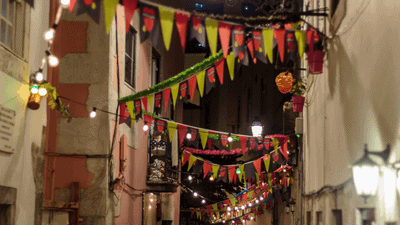
As Marchas Populares de Santo António
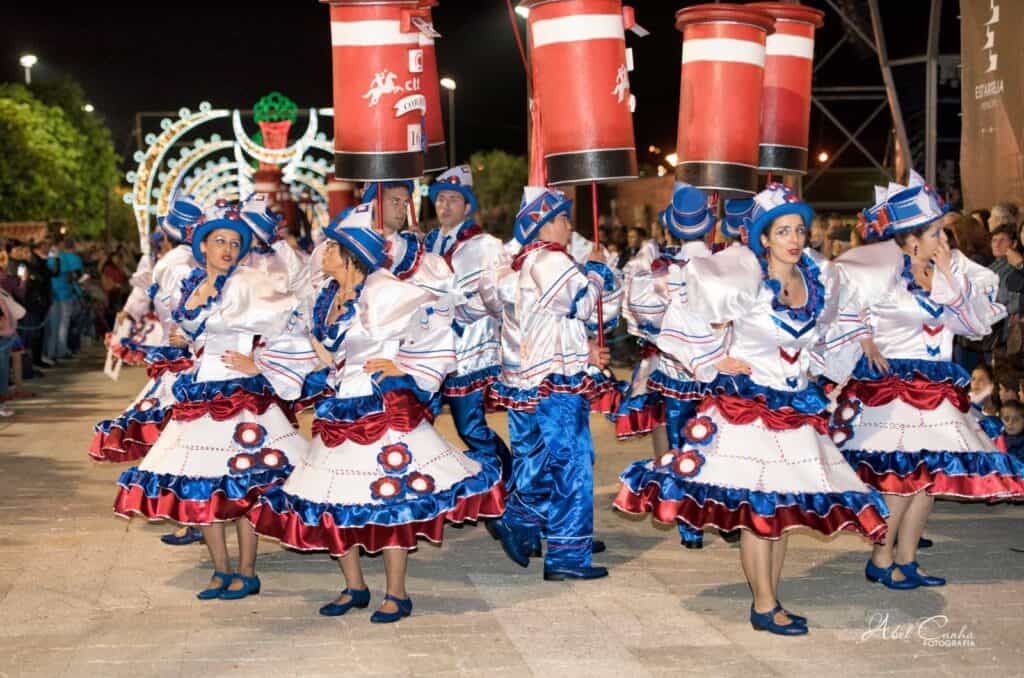
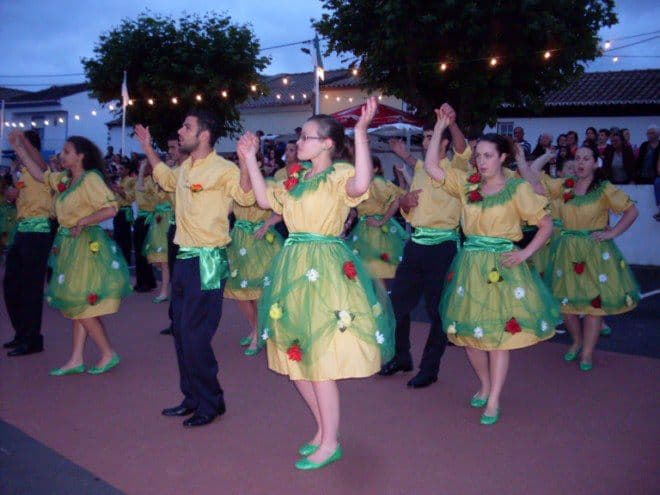
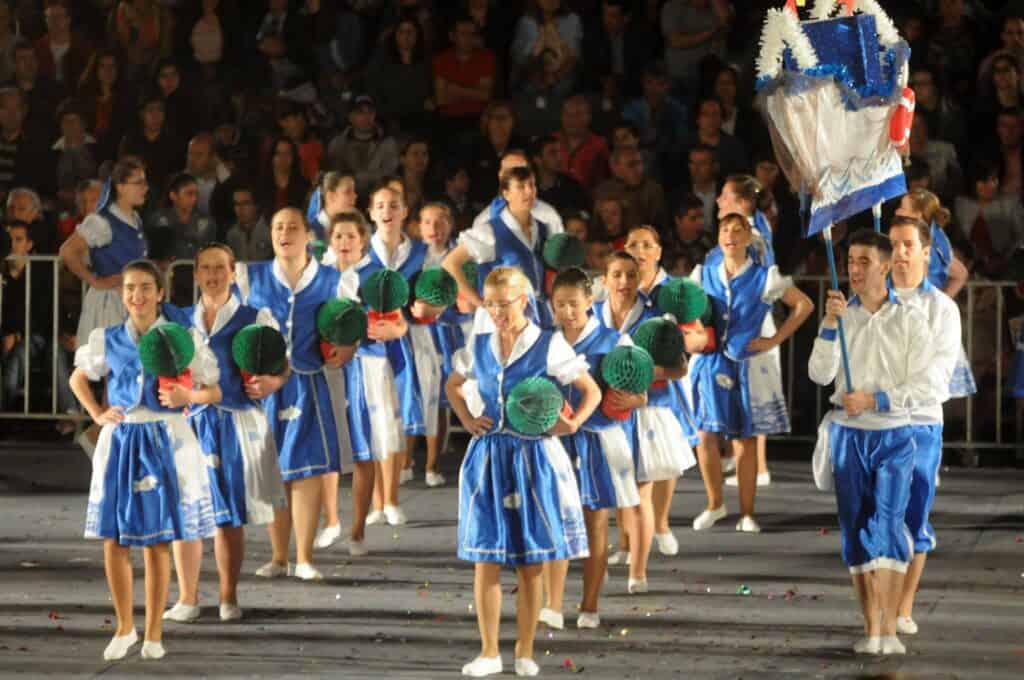
One of the highlights of celebrating São João Saint Anthony in Portugal is the Marchas Populares de Santo António. These are choreographed parades that people from all neighbourhoods participate in. It is another wide community event in which neighbourhoods compete against each other for the best choreography, song and costumes. Each year there is a different tema (theme). The streets are adorned with decorative banners, ribbons, and garlands, creating a vibrant tapestry of colour. The parade procession features intricately decorated floats, each showcasing scenes from the life of the beloved saint. The air resounds with the lively beat of traditional music, as participants don traditional costumes and dance joyfully along the route.
Marriage Proposals and Courtship Traditions
The 13th of June is also known as a day of romance and courtship, inspired by Saint Anthony’s reputation as the patron saint of matchmaking. According to tradition, young women who are seeking love or hoping for a marriage proposal offer prayers and flowers to Saint Anthony. Many believe that by doing so, they increase their chances of finding a suitable partner. This charming custom adds a touch of enchantment to the festivities, as couples stroll hand in hand, basking in the romantic atmosphere.
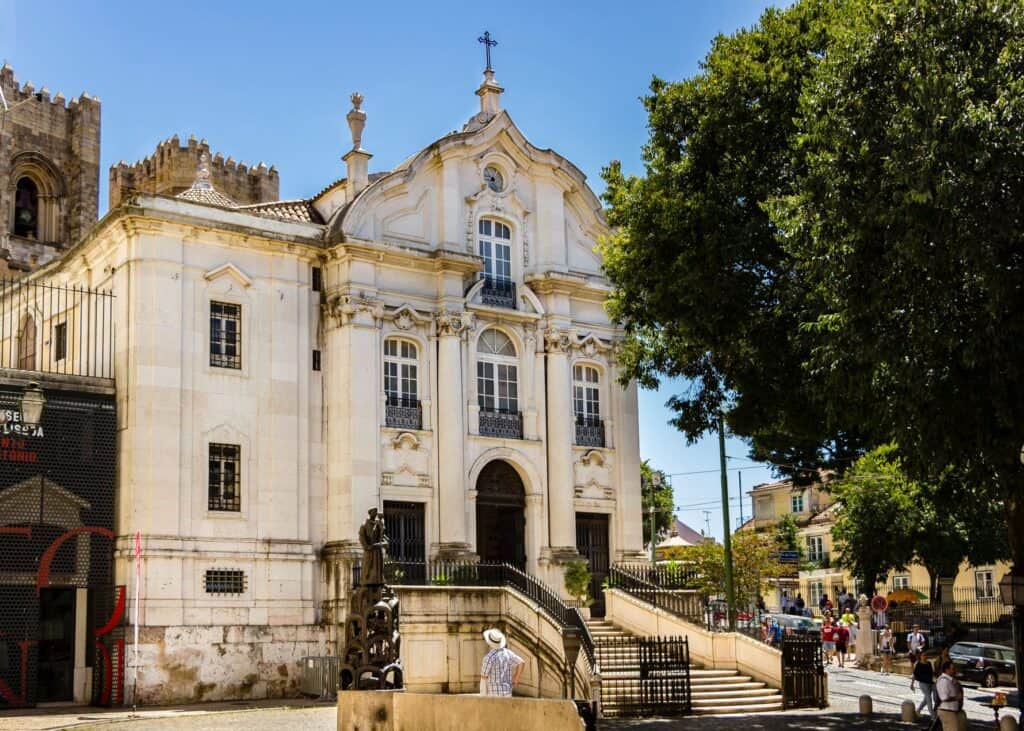
Saint Anthony Statue Tradition
There is an old tradition in Lisbon that many take part in front of Saint Anthony’s church in Lisbon. Here, there is a statue of the saint, which men or women will throw a coin at. If the coin lands on top of the book or inside António de Pádua’s hood, the marriage will be blessed with luck.
As Noivas de Santo António
The tradition of the Noivas de Santo António dates back to the mid-1950s. It was initially organized by the Lisbon City Council as a way to support young couples who couldn’t afford to have a proper wedding ceremony. The event aimed to provide these couples with the opportunity to experience a dream wedding, complete with beautiful wedding attire, celebrations, and the joyous atmosphere of the Saint Anthony festivities. To read more details about as noivas de Santo António, click the link.

Saint Anthony’s Procession
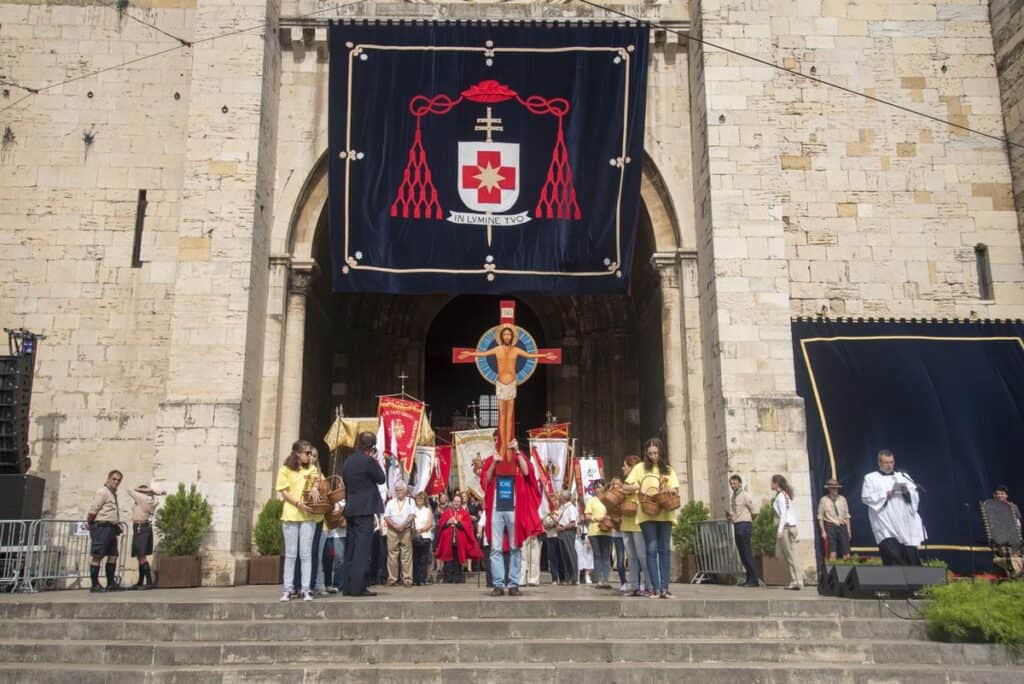
Another huge highlight is the religious Saint Anthony’s procession in Lisbon. The procession leaves the Church of Saint Anthony of Lisbon, located in Alfama, next to the Sé (see/cathedral) of Lisbon, his birthplace, around 1193.



Grilled Sardines and Bush Basil
No celebration of Saint Anthony would be complete without indulging in our culinary delights. Grilled sardines take centre stage during the popular saints’ festivities. The mouthwatering aroma of sizzling sardines wafts through the streets, tempting locals and visitors alike. Using Portuguese homemade bread (pão caseiro) as a plate, your hands as cutlery and accompanied by a glass of Vinho Tinto (red wine), these freshly grilled delicacies celebrate the coastal heritage of the country. Other traditional foods you’ll be able to sample are bifanas (Portuguese pork steak sandwich), caldo verde (Portuguese cabbage soup) and broa de milho (Portuguese corn bread). Bom proveito!






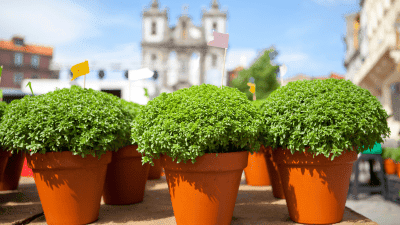
In addition to sardines, another cherished element of the celebrations is the bush basil plant, known as Manjerico (ocimum minimum). Colourful pots of Manjerico, adorned with ribbons and paper carnations, are exchanged as symbols of love and courtship. These fragrant plants are nurtured with care, representing the blossoming relationships and enduring love sought by many. Read more about the Manjerico de Santo António here.
Os Tronos de Santo António
The Tronos de Santo António (Thrones of Saint Anthony) are a significant element of the celebrations dedicated to Saint Anthony in Portugal, particularly in Lisbon. These ornate structures play a central role in the festivities, adding a touch of grandeur and religious symbolism to the events. They are essentially decorative altars dedicated to Saint Anthony. We can see them in various locations in June, during the lead-up to the big day. These elaborate structures serve as focal points for prayers, devotions, and public veneration of the saint. Learn more about os Tronos de Santo António here.

Is Saint Anthony’s Day a National Holiday?
Yes and no. While everyone in Portugal recognises and many celebrate it, it’s a municipal holiday only, meaning that it will be a bank holiday in those municipalities. This is the same for the other two popular saint days (São João and São Pedro). The following municipalities in Portugal will celebrate o Dia de Santo António as a bank holiday:
Aljustrel (Beja), Alvaiázere (Leiria), Amares (Braga), Cascais (Lisboa), Estarreja (Aveiro), Ferreira do Zêzere (Santarém), Lisboa (Lisboa), Proença-a-Nova (Castelo Branco), Reguengos de Monsaraz (Évora), Vale de Cambra (Aveiro), Vila Nova da Barquinha (Santarém), Vila Nova de Famalicão (Braga), Vila Real (Vila Real), Vila Verde (Braga).
Dia de Santo António FAQ
Related Posts for further reading:
- The Popular Saints of Portugal
- Os Tronos de Santo António
- As Noivas de Santo António
- Manjerico de Santo António
- São João in Portugal
- Cascatas de São João
- Balões de São João
- Leeks and Hammers for São João
- São Pedro in Portugal
- Rusgas de São Pedro
June in Portugal | Portuguese Culture | The Portuguese Learning Hub