

As the saying goes, “On St. Martin’s Day, you eat chestnuts and drink wine.” And when it comes to the wine to accompany chestnuts during Magusto, the answer is clear: Jeropiga.
Jeropiga: A Cozy Tradition in the Colder Months
Nothing warms the heart more than tradition, and it’s in that spirit that we turn to Jeropiga, a traditional alcoholic beverage from Portugal, especially cherished in the colder months. Hailing from the picturesque region of Trás-os-Montes, this vinous gem is the perfect answer for those seeking a sweet, liqueur-like, and comforting wine.
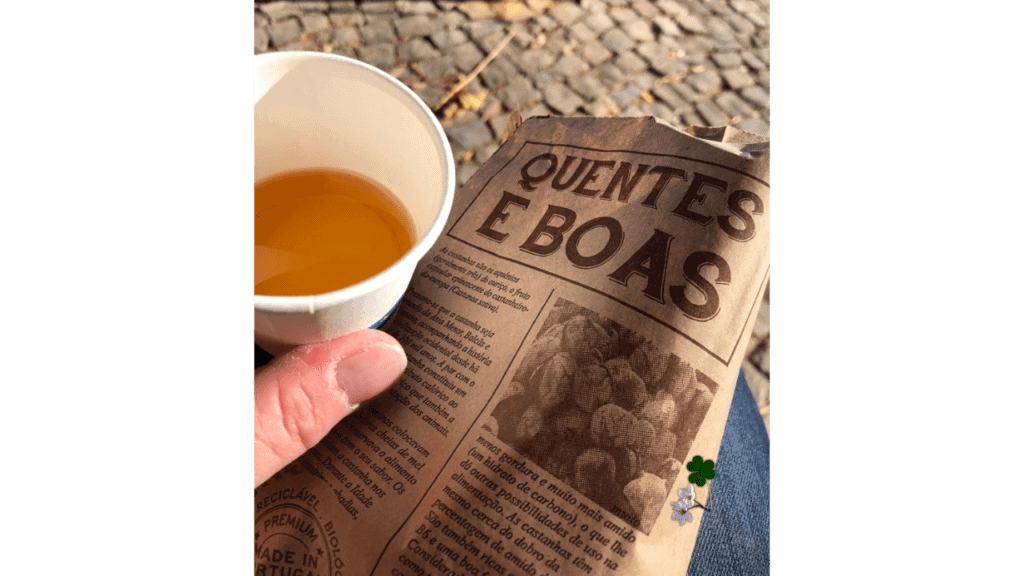
Taken in Altura, Castro Marim in 2023
Similar to other Portuguese wine icons like Port Wine and Moscatel, Jeropiga is enriched with brandy to halt the fermentation of grapes, preserving the natural sweetness of the drink. Comprising two parts grape must, one part brandy, and cinnamon, this blend results in a well-balanced beverage, combining sweetness with a lingering aroma of dried fruits.
A Brief History of Jeropiga
While the exact date of Jeropiga’s arrival at Portuguese tables is uncertain, we know it emerged in response to the shortage of wine after summer, during St. Martin’s Day. Today, this “new” tradition fills the glasses of families with history and flavour, especially during November when Magusto celebrates the union between Jeropiga and delicious roasted or boiled chestnuts.
But Jeropiga’s versatility goes beyond chestnuts, harmonizing perfectly with dried fruits, egg-based desserts, rich meats, and cheeses.
Where to Find Jeropiga
Jeropiga production peaks in the autumn and winter months, making it available for purchase from October and November. If you’re eager to explore this tradition, you’ll find it for sale at most supermarkets in Portugal.
Making Jeropiga at Home
If the desire to create your own Jeropiga beckons, here’s a version of the original recipe to embark on at home:
Ingredients:
- 1l de Brandy (1l of brandy)
- 2L de mosto de uvas (2l of grape must)
- 300g de açúcar (300g of sugar)
- 1 pau de canela 1 (cinnamon stick)
Preparation:
- Esmagar as uvas para extrair o mosto e colocá-lo num recipiente antes do início da fermentação. (Crush the grapes to extract the must and place it in a container before fermentation begins.)
- Feche o recipiente e deixe fermentar à temperatura ambiente durante cerca de 2 dias. (Close the container and let it ferment at room temperature for about 2 days.)
- Quando sentir o aroma a vinho, junte a aguardente, o açúcar e o pau de canela. (When you sense the wine aroma, add brandy, sugar, and the cinnamon stick.)
- Misture bem, feche o recipiente e deixe repousar durante um mês. (Mix well, close the container, and let it sit for a month.)
- Coe o líquido e deite a Jeropiga em garrafas individuals. (Strain the liquid and pour the Jeropiga into individual bottles.)
- Guarde as garrafas num local fresco e seco, aguardando ansiosamente o momento de saborear esta criação caseira. (Store the bottles in a cool, dry place, eagerly awaiting the moment to savour this homemade creation.)
While exploring the flavours of Jeropiga, we’re not just drinking a beverage but savouring a piece of Portuguese traditions, warming our hearts as we celebrate life. Saúde!