

Wondering how to order drinks in Portuguese when you’re in Portugal? Whether you’re at a café, a bar, or a seaside restaurant, knowing how to confidently order your drinks in Portuguese makes every experience smoother – and far more enjoyable.
In this lesson, you’ll learn how to order drinks in Portugal like a local, from coffee and water to beer and wine. You’ll also discover useful cultural tips, pronunciation help, and real-life phrases you can use straight away.
- Essential Vocabulary for Ordering Drinks in Portuguese🗣️
- Where and When to Sip 🌍
- How to Order Beer in Portugal 🍺
- How to Order Wine in Portuguese Restaurants 🍷
- Useful Phrases to Order Drinks in Portuguese
- Role-Playing Scenarios: A Taste of Real Conversations
- Review and Cultural Reflection
- Related Lessons for Further Portuguese Learning
Essential Vocabulary for Ordering Drinks in Portuguese🗣️
Let’s start with the basics of navigating the world of Portuguese drinks. Learning key phrases is the gateway to authentic experiences. Whether you’re craving uma cerveja (a beer), um copo de vinho (a glass of wine), or simply uma água (a water), mastering the pronunciation and emphasis on specific sounds is crucial.
Add a touch of personalisation by incorporating modifiers like fresco (chilled) or natural (room temperature). Quente (hot) or frio (cold), expressing your preferences with phrases like com gelo (with ice), sem açúcar (without sugar) or sem gás (still/non-fizzy).
Examples:
Queria uma água fresca, por favor. (I would like a chilled water, please)
Queria uma meia-de-leite quente, se faz favor. (I would like a hot coffee with milk)
Queria uma Coca-Cola com gelo sem limão. (I would like a Coca-Cola with ice, no lemon)
Note: If you want freshly squeezed fruit juices, we use the word natural as well. Queria um sumo de laranja natural, por favor.
Where and When to Sip 🌍
Drinks in Portugal aren’t just about consumption; they’re about socialising. Understanding the social context of ordering drinks is key. Cafés, bars, and local gatherings play significant roles. Explore the café culture, where the aroma of bica (espresso) and the taste of um pastel de nata (a custard tart) create a unique experience. Explore the intricacies of tipping etiquette, recognising the variations from other countries.
There is no shortage of pastries in Portugal. Next, let’s look at some of the most popular ones:
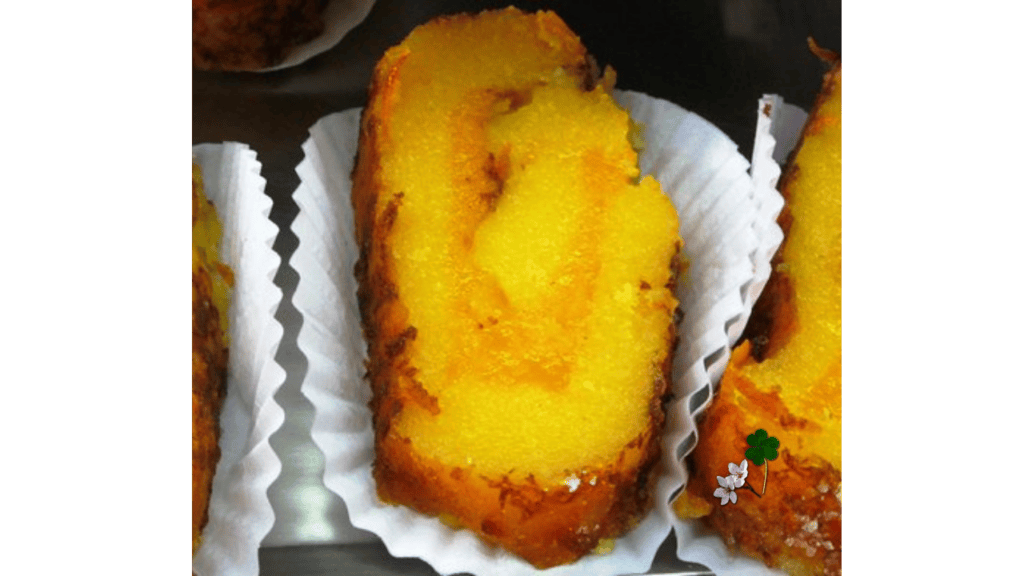
Torta de Laranja
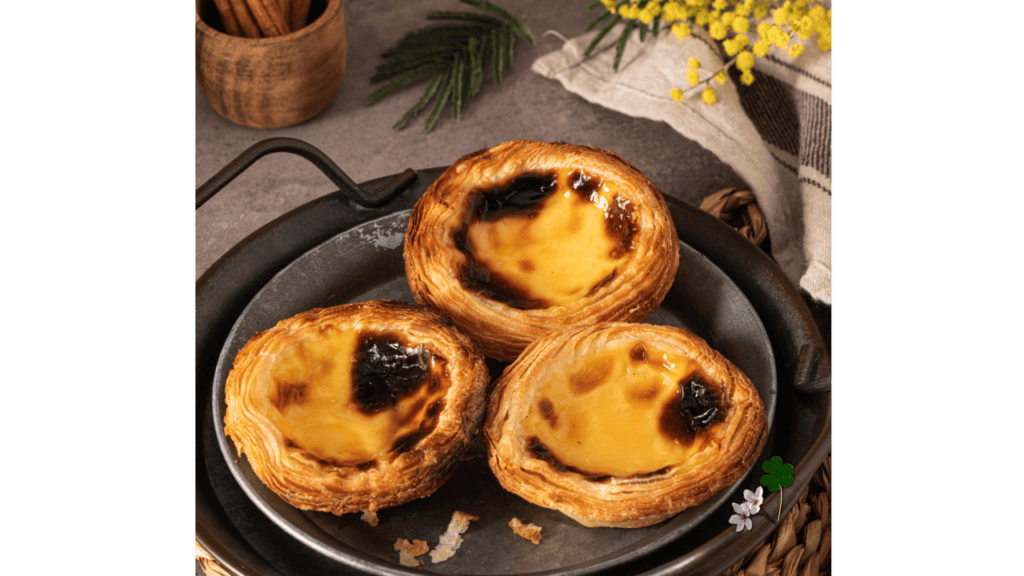
Pastel de Nata
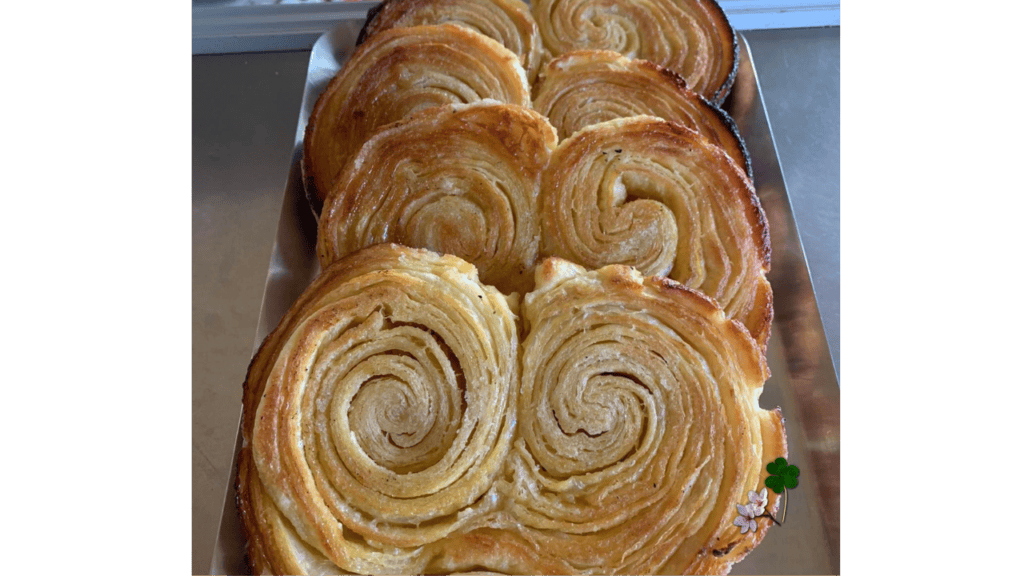
Palmier

Mil Folhas
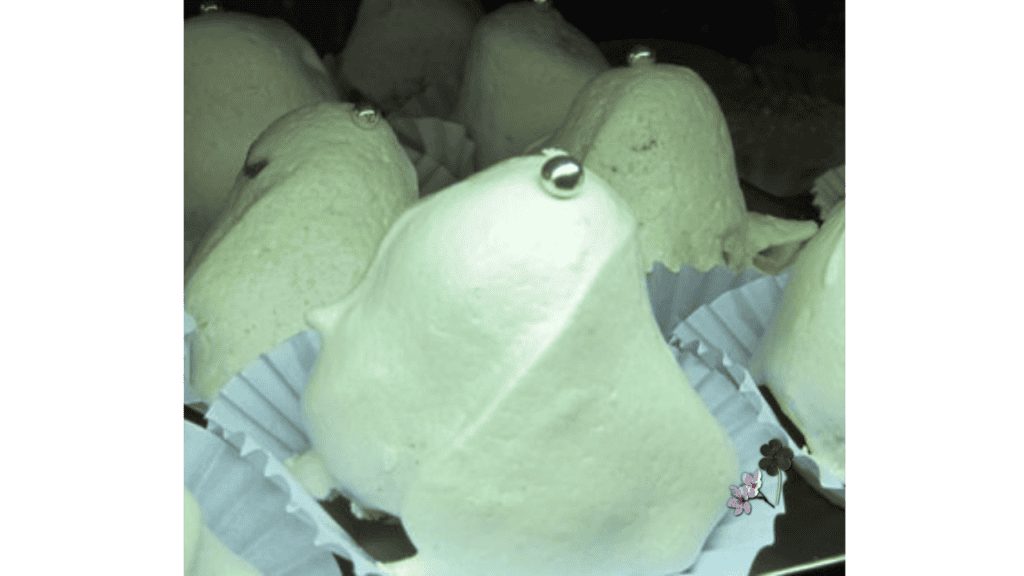
Morgadinho
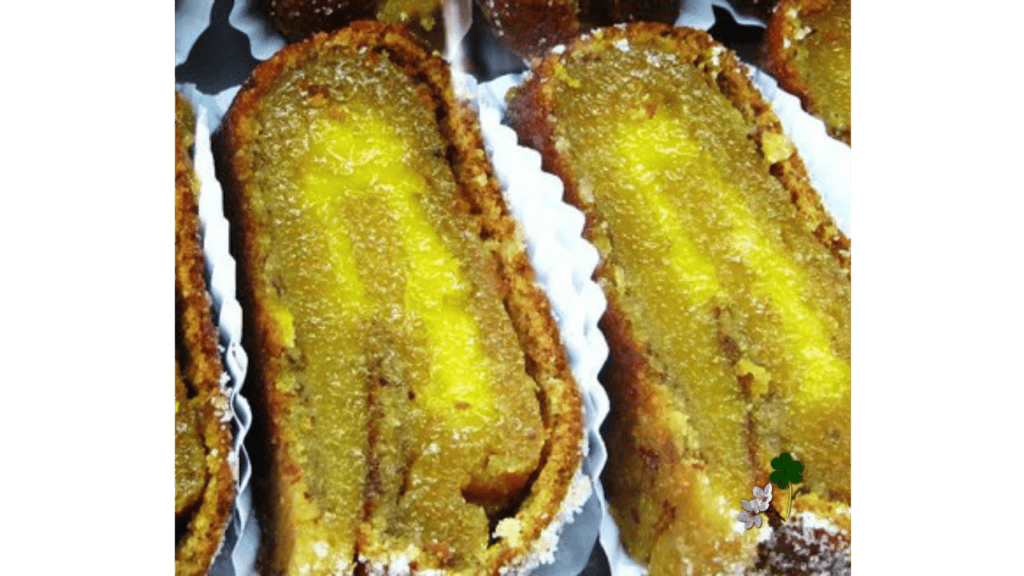
Torta de Amêndoa
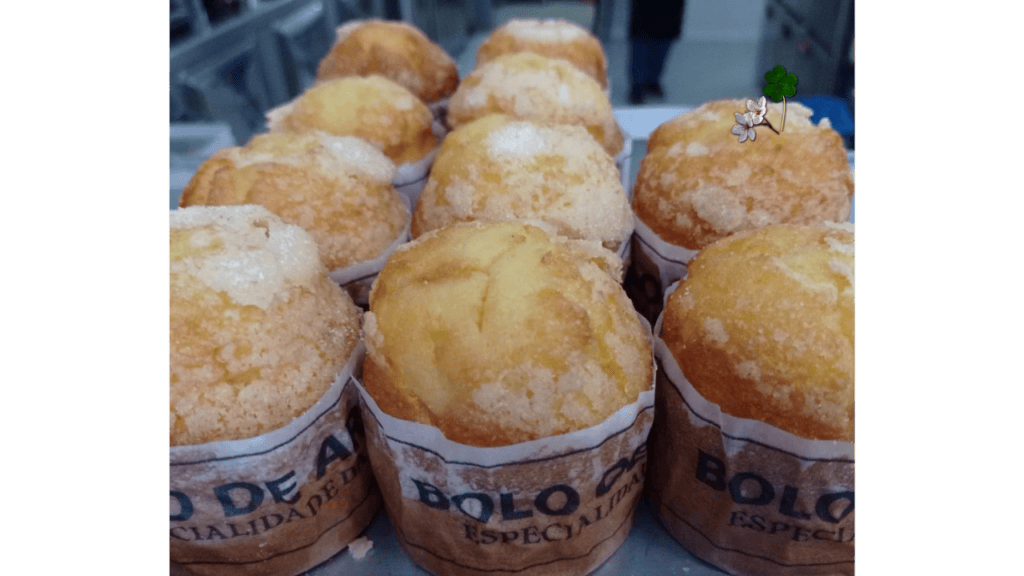
Bolo de Arroz

Bola de Berlim
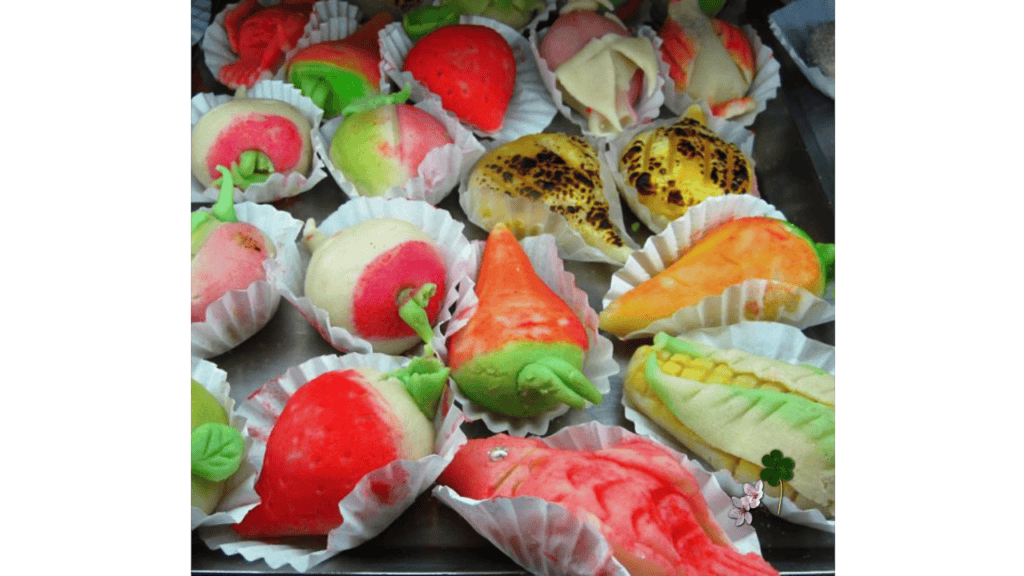
Massapão
How to Order Beer in Portugal 🍺
Portuguese beer, often overshadowed by its wine-producing prowess, is a hidden gem waiting to be explored. Beer in Portugal isn’t just a beverage; it’s a reason for socialising. Picture yourself in a bustling Lisbon square or a seaside terrace in the Algarve – beer is the common denominator that brings people together. The ubiquitous sound of Saúde! (Cheers!) Or à nossa! (to our – health) resonates in the air as friends clink glasses and share moments of joy. 🍻
Traditional lagers, often served frescas (crisp and chilled), are the go-to choice for many locals. Leading brands like Sagres and Super Bock have become synonymous with quality and reliability.
Now let’s talk sizes. A draft beer (in a glass) is called different things depending on where you are in Portugal. In the north, it’s called um fino. In the centre and south, it’s called uma imperial.
If you’re looking for a pint, we call it uma caneca (mug). And if ordering a bottle, you can say uma média (medium) or uma mini (small).


How to Order Wine in Portuguese Restaurants 🍷
Now let’s look at real sentences you can use to order drinks in Portuguese. These are natural phrases you’ll hear – and use – in cafés, restaurants, and bars across Portugal.
- Ask for Recommendations: Don’t hesitate to ask for recommendations based on your preferences. Waitstaff are often knowledgeable and happy to guide you through the menu. O que recomenda?
- Pairing with Cuisine: Consider the cuisine you’re enjoying. Portuguese wines are remarkably food-friendly. For seafood, a crisp Vinho Verde works wonders, while hearty stews may call for a robust tinto from Alentejo.
- Understanding the Terminology:
- Reserva: Indicates a wine of superior quality, often aged longer.
- Garrafeira: Denotes a premium wine, aged in the bottle for a specific period.
- Colheita: Refers to a single vintage wine.
- Tasting Before Committing: In most establishments (restaurants), you can taste the wine before committing to the bottle. If you’re in a café, ask if you can: Posso provar primeiro? Take advantage of this to ensure it aligns with your preferences and if the quality is to par.

Useful Phrases to Order Drinks in Portuguese
Café culture is a cornerstone of Portuguese social life. So knowing the most popular types of coffee is essential. From the strong bica to the comforting pingo. I have a detailed post about Coffee in Portugal.
The keyword is queria (I would like)
Role-Playing Scenarios: A Taste of Real Conversations
The best way to solidify your learning is by putting it into practice. This may not be so easy if you’re not in Portugal. Try to find a language partner or a tutor to practice with. In role-playing scenarios, simulate ordering at a café or a bar.
Practice pronunciation and hone your language skills in realistic situations if possible. This hands-on approach transforms theoretical knowledge into practical proficiency.
Review and Cultural Reflection
Now you know how to order drinks in Portuguese, from a simple coffee to a glass of local wine. These phrases will help you feel more confident in cafés, bars, and restaurants throughout Portugal.
The more you practise, the more natural it will feel – and ordering your drinks in Portugal will soon become second nature.
Related Lessons for Further Portuguese Learning
- Order your Food in Portugal
- Learn more about how to order tea & coffee in Portugal
- Tea in Portugal
- Complete guide to ordering beer in Portugal
- Etiquette & Good Manners in Portugal
Have a Patreon subscription? ☕
If you’re an active supporter on any of my Patreon tiers (starting with Meia-de-Leite), you get access to a printable PDF containing all the vocabulary from this post. Find out how to get access.
How to Say Things in Portuguese