

Although it was a Portuguese queen who set the trend of tea drinking in England, the Portuguese themselves did not drink much tea at all. At least not socially. Certainly not black tea with milk. So it’s very likely that when you ask for black tea in Portugal, chances are, no milk will arrive with it.
Also, when you then ask for the milk, there may be a confused waiter double-checking how you want the milk served. In a separate glass? another tea with steamed hot milk in it? or a glass of hot milk on the side – I’ve seen this happen. But, to be fair, in some of the more tourist places, they are more used to it nowadays.
The easiest way to order black tea in Portugal
Queria um chá preto com um pouco de leite frio à parte, se faz favor. (I would like “a black tea” with a little cold milk on the side, please)
- Click here to learn how to order other types of teas in Portugal
- and click here for a lesson on Courtesy and Wishes in Portuguese (Pretérito Imperfeito)
A Little History of Tea in Portugal
At the beginning of the post, I mentioned a Portuguese Queen. That was the Infanta Catarina de Bragança. She popularised this drink in England. But the famous “five O’clock tea” didn’t appeal to the Portuguese public at the time. Five o’clock tea was considered an elitist habit as opposed to the population who showed more interest in tobacco and coffee.
Historians say that the Portuguese were the first to come into contact with this oriental drink in 1580. However, at the time, economic interest was more focused on other matters. Large-scale tea trade entered Europe in 1610 with the Dutch and later the English. This was after the drink was popularised by the Infanta Catarina de Bragança (between 1638 and 1707). She, by her marriage to Charles II became Queen Consort of the Kingdom of England, the Kingdom of Scotland and the Kingdom of Ireland.
But tea was (and still is) regarded as a medicinal drink. Outside this consumption, it was considered exotic and a novelty to be discovered by the most curious. An extravagance. It was gradually, with the appearance of other, cheaper varieties of tea, and Europeans adapting the drink to their tastes by adding sugar and milk, that tea consumption soared throughout Europe. However, in Portugal, this didn’t happen. Although Portuguese consumption increased, the drink was still seen as elitist.
It was only in 1883 that Gorreana, a successful tea exploration company in Portugal, more specifically on the Island of S. Miguel in the Azores, came into existence. Today, it is the only tea plantation in Europe.
What kind of tea is there in Portugal?
You’ll likely find or be offered an array of tisanes. In Portugal, teas are generally more associated with a type of healing than with going to the café to meet friends. Tea made from leaves and flowers of plants such as camomile, citron or linden has gained an important status in Portuguese popular medicine.
The Portuguese drink tisanes to improve digestion, relax, help with kidney stones or even help sleep. And it’s usually best consumed at home during the day or at night before bed.
The difference between tea and tisane lies in the presence of stimulating components in tea. Such as theine, which is not present in tisanes. Both are infusions, but their characteristics and flavours are different.
Ice Tea
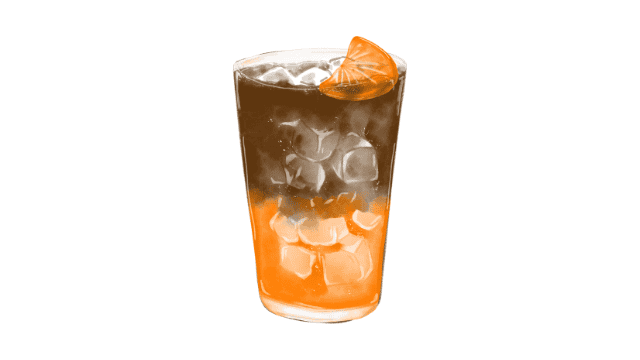
And how can we forget iced tea?! It’s one of the most consumed quotidian drinks in Portugal. It’s best known by the two most popular brands, Ice-Tea (Lipton) and Nestea (Coca-Cola). The 3 common flavours you can find are lemon, peach and mango.

Did you know that there is an Iced Tea Day? It’s on the 10th of June, which is also:
- Camões Day
- Angel of Portugal Day
- Portugal and Portuguese Communities Day.
Ordering different types of tea in Portugal
Que tipos de chá tem? (What kind of teas do you have?)
Black tea
This one we already saw above, but here it is again 🙂
Queria um chá preto com um pouco de leite frio à parte, se faz favor. (I would like black tea with a little cold milk on the side, please)
Order tisanes
Queria um chá de limão, se faz favor. (I would like a lemon tea, please)
Queria um carioca de limão*, se faz favor. (I would like a lemon “carioca”, please) *This drink is made from fresh lemon peel and scalded water from an espresso machine.
Queria um chá de frutos vermelhos, se faz favor. (I would like red forest fruit tea, please)
Queria um chá verde, se faz favor. (I would like green tea, please)
Other common tisanes that are popular in Portugal include: camomila (chamomile), tília (lime-trea/linden), funcho (fennel), menta (mint), Bela-Luísa (lemon verbena) and cidreira (melissa). These are also commonly found in their loose form in supermarkets or health shops.
Posts for Further Reading
Back to Portuguese Food | Back to order your tea and coffee in Portugal