
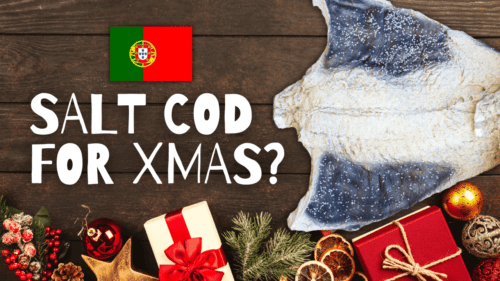
Why do the Portuguese eat Codfish on Christmas Eve? Isn’t it curious that a country like Portugal, where a variety of fresh fish is caught and consumed, has chosen this fish? It’s not a straightforward fish to prepare! It requires a few impractical steps of prep work such as re-hydration in bowls of water for up to 36 hours before cooking. But you can find out more about how to prepare and unsalt cod here. Today we’re looking at why this fish is so popular in Portugal and why it’s eaten for Christmas!
Watch the video below that I prepared for you about all this for the immersive language experience.
Codfish and Chrismas Eve
Codfish associated with Christmas and Christmas Eve was born in Portugal and started in the Middle Ages. At that time, the way of life was very different from what it is today. The Catholic Church played a huge role in everyday life. It was the church that was in charge of both education and the care of people’s souls.
Therefore, the religious calendars also had a great influence on the eating habits of the people. Fridays, Lent, and Advent are good examples of times of fasting imposed by the church as a way to honour the sacrifice that Christ made.

However, since the medieval diet in Portugal consisted mainly of meat, people’s idea of fasting was to not eat meat or animal products, such as milk and eggs, during these times.
Fish was the ideal solution. There are several explanations as to why since fish is also meat. But one of the explanations according to the beliefs of the time was that meat from warm-blooded animals would give more pleasure to the palate and that it would consequently increase the libido. All things considered, an incentive to lust and incompatible with these times of reflection and humility.
But how does codfish come into this story?
Besides the religious reasons, what made this fish so popular at these times had to do with the fact that it is:
- abundant;
- cheap (not so true these days anymore)
- and it also had an excellent preservation capacity that facilitated its arrival in good conditions to more remote areas in the interior of the country.
Thus, people could fulfil their religious obligations on Christmas Eve – Consoada – without starving to death or corrupting their souls.
The word consoada comes from Latin and means to dine or feast together. The meal consisted of something light taken in the evening during the fasting period.
This fast ended at midnight when people went to midnight mass. And after the mass, they would return home and eat meat, namely turkey, puddings, etc.
As the centuries went by, this obligatory and religious fasting disappeared but the taste of eating codfish became a tradition. It is so traditional and rooted in the culture that even people who are not religious choose codfish to celebrate Christmas Eve; they wait until midnight to open presents and eat the turkey on the 25th.
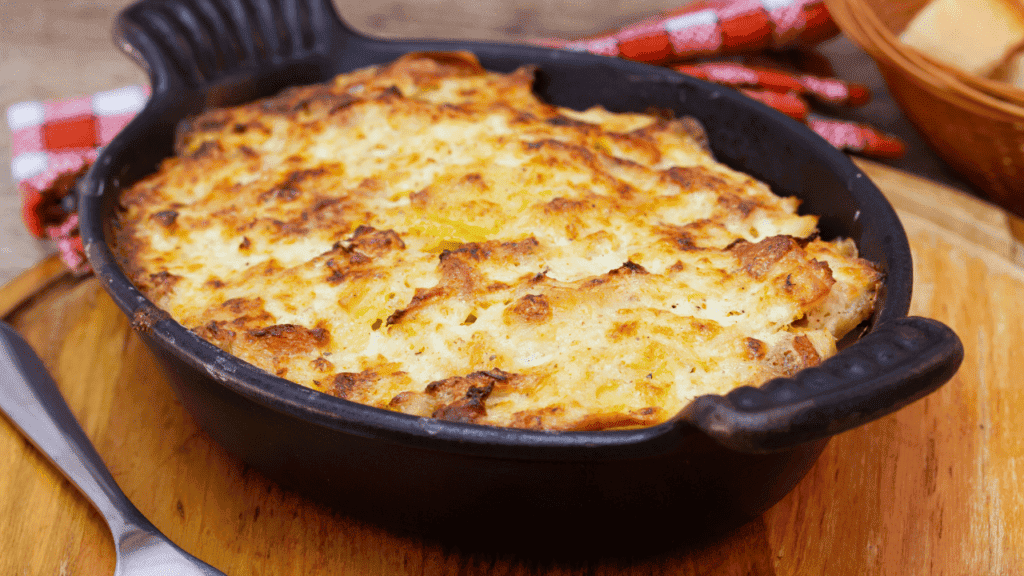
But nowadays the light meal has given way to a real feast of different dishes and varied sweets made with much love and as a family. At these festivities, codfish is still undoubtedly the king.
Moreover, this fish has become a national dish, is consumed daily all over the country and is synonymous with nostalgia for those who emigrate. The Portuguese consume about 20% of all the cod caught in the world.
Was Codfish always king?
Curiously, this fish was not always as prestigious as it is today. In times past, many considered cod to be poor people’s food. And that it was the wealthy who could afford to buy and consume the “finer” fish during times of meat abstinence. It is also said that the rich claimed to dislike the smell of dried codfish.
It is from this disdain that the informal expression of contempt in Portuguese comes:
“Para quem é, bacalhau basta“
This expression serves to offend and indicate that someone is unimportant – that they have low standards or that they only deserve the trivial.
Casas de Pasto
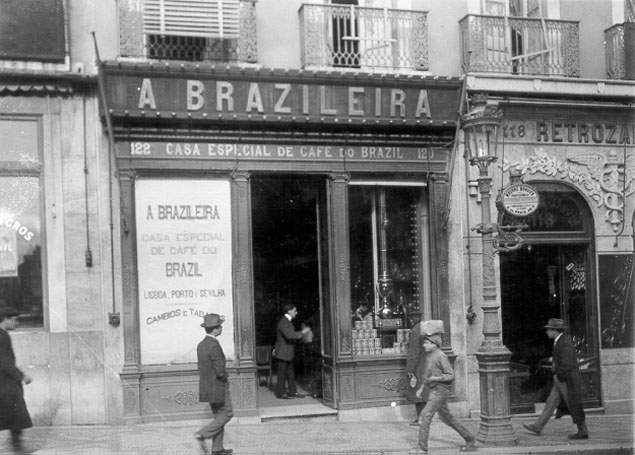
It was only at the end of the eighteenth century and also after the liberal revolution of 1820, with the expansion of the “casas de pasto” that there was an enormous leap in the use of cod in Portuguese gastronomy.
Casa de pasto – is an establishment where meals (lunches and dinners) are served. Nowadays, we usually associate the word “pasto” with vegetation that serves as food for grazing animals. But the word “pasture” is an archaic Portuguese word that comes from the Latin “pastus” which means – food – and can be any kind of food: animal food, man’s food and spirit food. Hence the name “pasture house”, meaning house of food. We still find this type of establishment in Portugal today.
Tertúlias and Political Debate
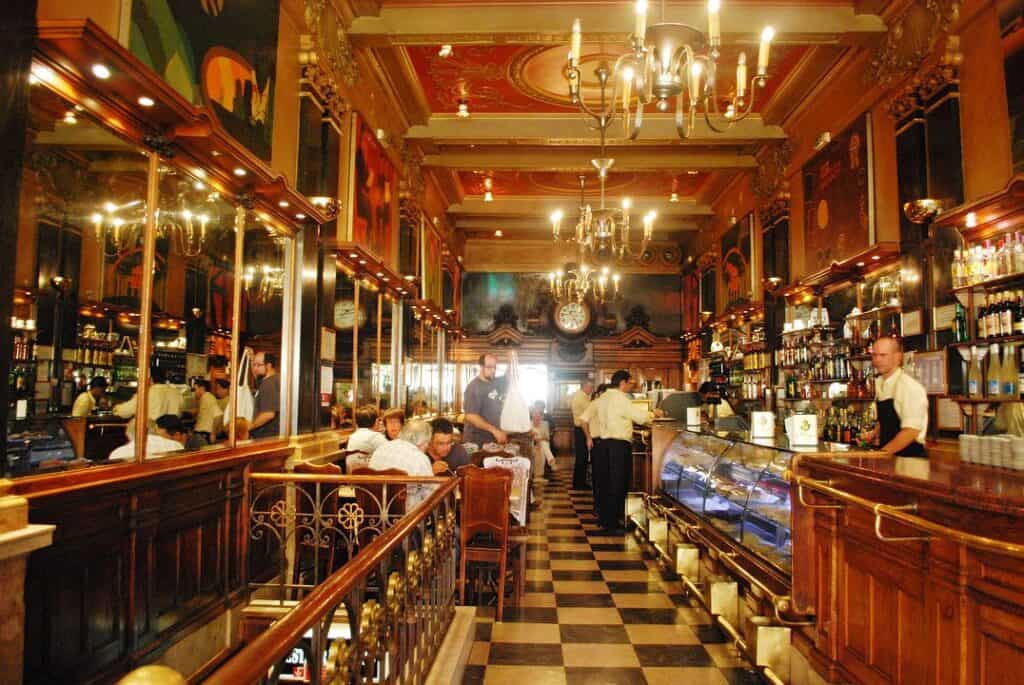
This was the beginning of social and commercial meals, of the “tertulias” and gatherings of the “alta-roda“, i.e., gatherings of the social elites or of high society.
A tertulia is a more or less regular gathering or type of assembly of family or close friends who are gathered together for a common purpose. Usually, tertulias also have an artistic and didactic connotation, conducive to philosophical, literary, or political discussion.
Because codfish is so versatile in the kitchen, there are many ways to cook it. It can be served in slices, chipped or shredded, even the tongues, tail and swimming membranes can be used! We have Bacalhau à Brás, à Gomes de Sá, à Provençal, with cream, and the list goes on.
1001 Ways to Cook Bacalhau
They say there are enough recipes to make codfish every day in a different way.
This is where the expression “There are 1001 and one ways to make codfish” comes from, meaning that there are countless ways to do or solve a certain issue or problem.
But for the Christmas Eve meal, tradition dictates that we make boiled codfish, with potatoes, Portuguese cabbage, and lots of olive oil. Many people choose to make the recipe “Bacalhau da Consoada” or “bacalhau com todos“, which also includes chickpeas and boiled eggs. And you, have you tried a Portuguese bacalhau dish? To learn how to choose and prepare codfish, don’t miss this video here where I explain it all! (coming soon). In the meantime, you can read about preparing cod fish in the link here.
Curious about Portuguese Culture?
In the meantime, let me know in the comments what kind of food you eat at your festivities!