

Holy week in Portugal, as in all Christian countries, is the most essential and sacred week in the liturgical year. It also marks the last week of Lent in Portugal. But what does all that mean, and what happens on those days? Did you know that Semana Santa established the names of the Days of the Week in Portuguese?
Click here for the Portuguese Language lesson (B2 – intermediates)
- A Semana Santa
- Domingo de Ramos (Palm Sunday)
- Segunda-Feira Santa (Holy Monday)
- Terça-Feira Santa (Holy Tuesday)
- Quarta-Feira Santa (Holy Wednesday)
- Quinta-Feira Santa (Holy Thursday)
- Sexta-Feira Santa (Good Friday)
- Sábado de Aleluia (Holy Saturday)
- Domingo de Páscoa (Easter Sunday)
- Segunda de Páscoa (Easter Monday)
- Related Posts for Further Reading
A Semana Santa
The purpose of holy week is to celebrate and remember the life, death and resurrection of Jesus. Each day retells and represents one of the passion narratives. A passion narrative is an account given in the canonical gospels of the suffering and death of Jesus.
As the name suggests, this celebration lasts a full week, and each day has its own meaning. As I mentioned in my post about Easter in Portugal, there are three highlights during this week:
- Procissão dos Passos (Procession on Palm Sunday).
- Missa de Lava-pés (The reenactment of the Last Supper and washing of the feet mass on holy Thursday)
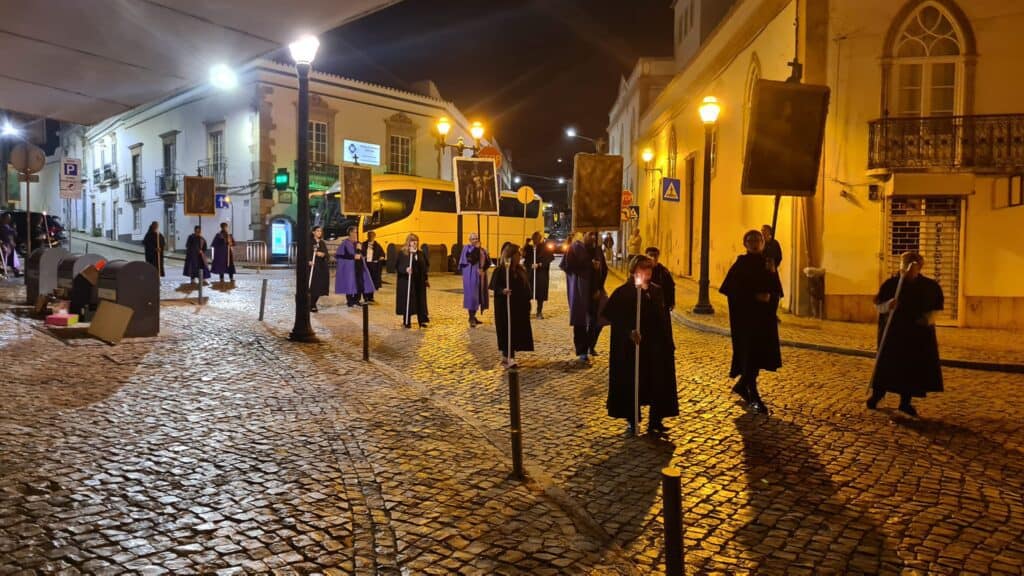
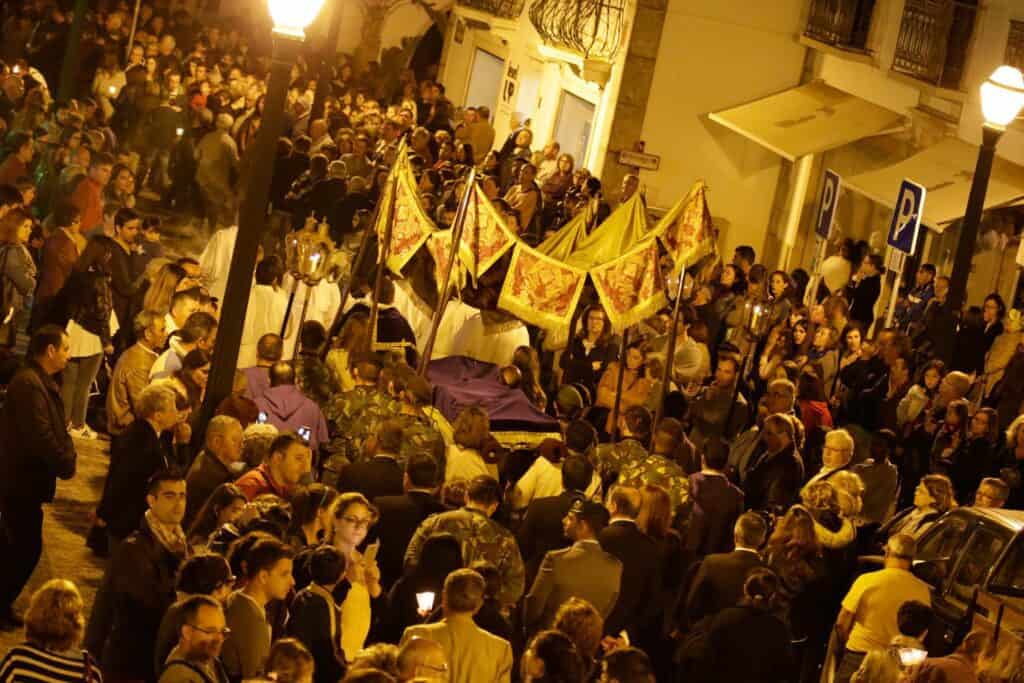
- A Procissão do Enterro do Senhor (nighttime burial procession on Good Friday)
Next, I will walk you through the meaning of each day and what you can expect to see in Portugal.
Domingo de Ramos (Palm Sunday)
Holy Week starts on Palm Sunday, and throughout Portugal, there will be several processions marking the date. The day is also sometimes referred to as Domingo dos Passos. It’s one of the moving holidays in Portugal, always falling on the 6th Sunday of Lent (the Sunday before Easter Sunday). The streets are typically lined with palm leaves, olive or rosemary branches. These branches, known as “palmitos” are previously blessed by the church. And then a procession is held with depictions of the lead-up to the Passion and Christ’s death.
The day serves to remember Jesus’s triumphant arrival in Jerusalem, riding a donkey. The people greeted him with palm branches.
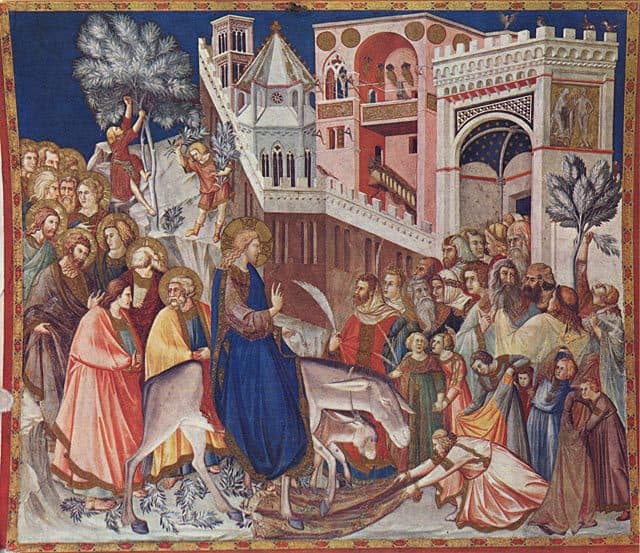
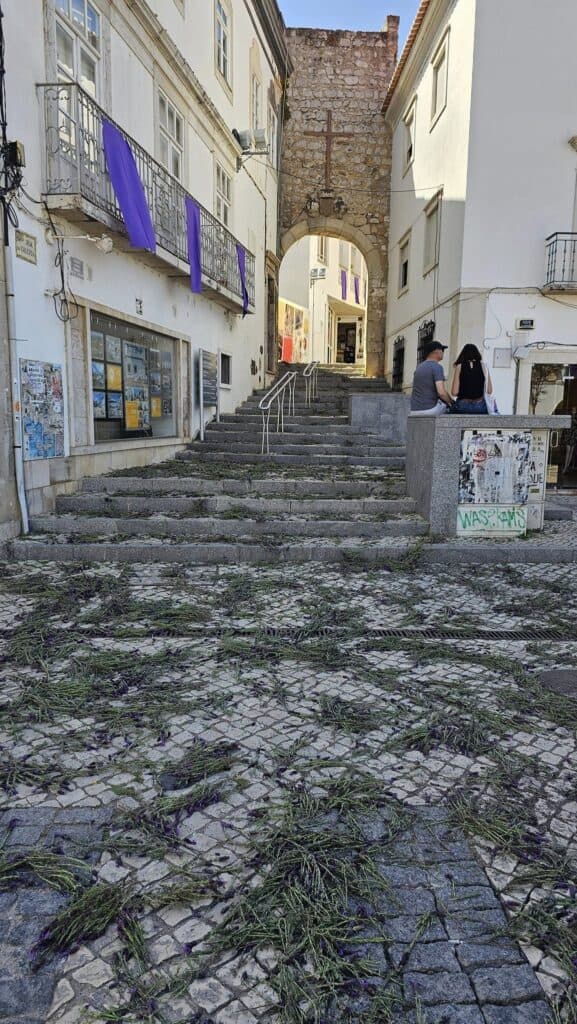
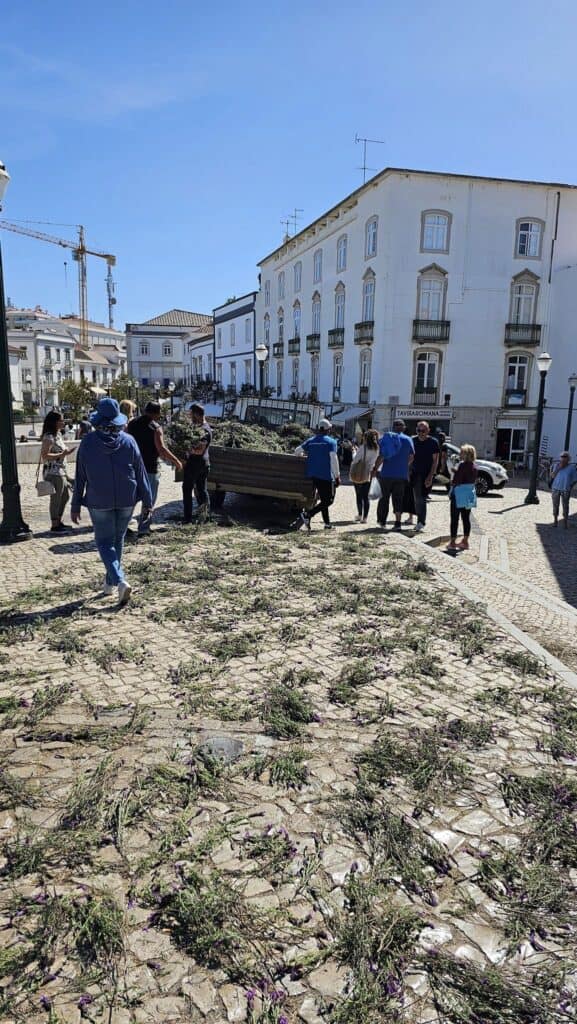
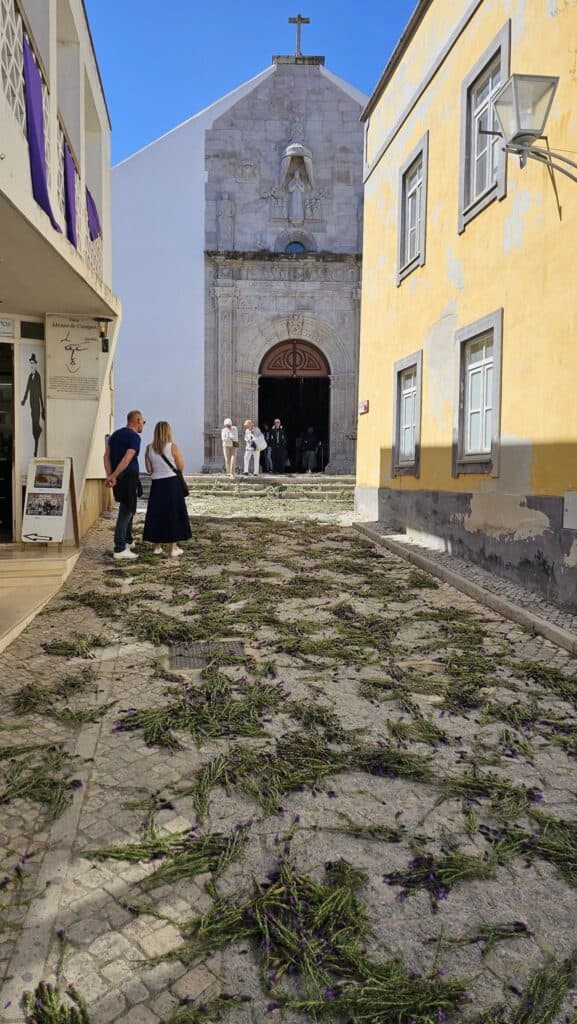
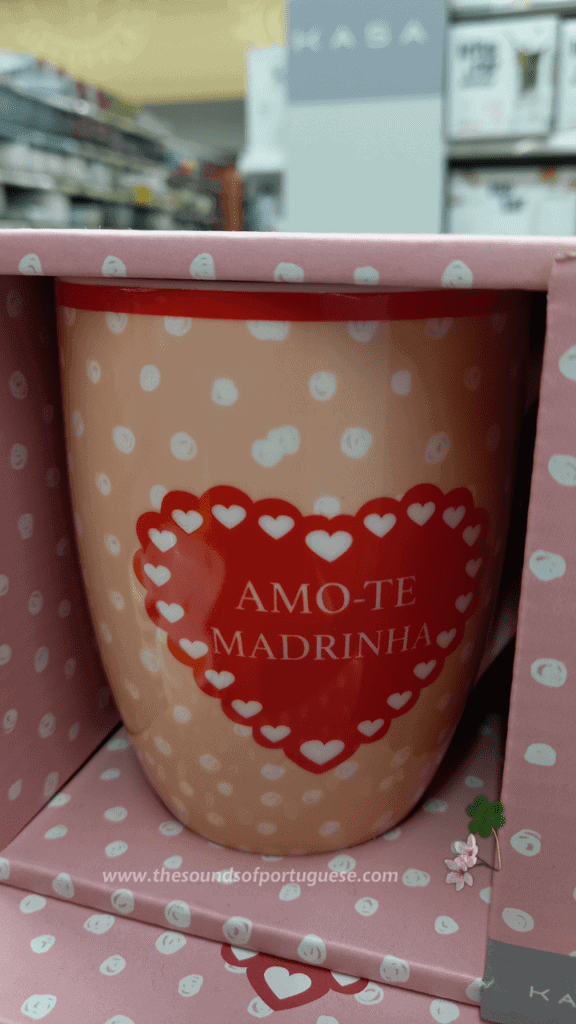
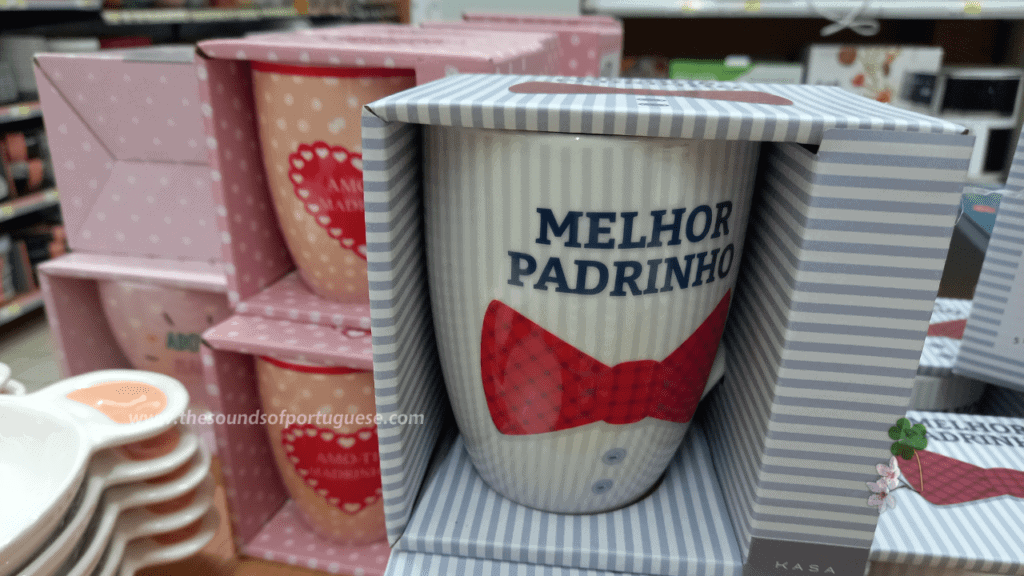
On Palm Sunday, it’s also traditional for Godparents and Godchildren to exchange easter almonds and flowers for folar. Of course, today, there is somewhat of a commercial aspect to this tradition that you can see in the shops. Children will offer other things such as mugs and picture frames, etc with the words “madrinha“, “padrinho” or “padrinhos“.
Segunda-Feira Santa (Holy Monday)
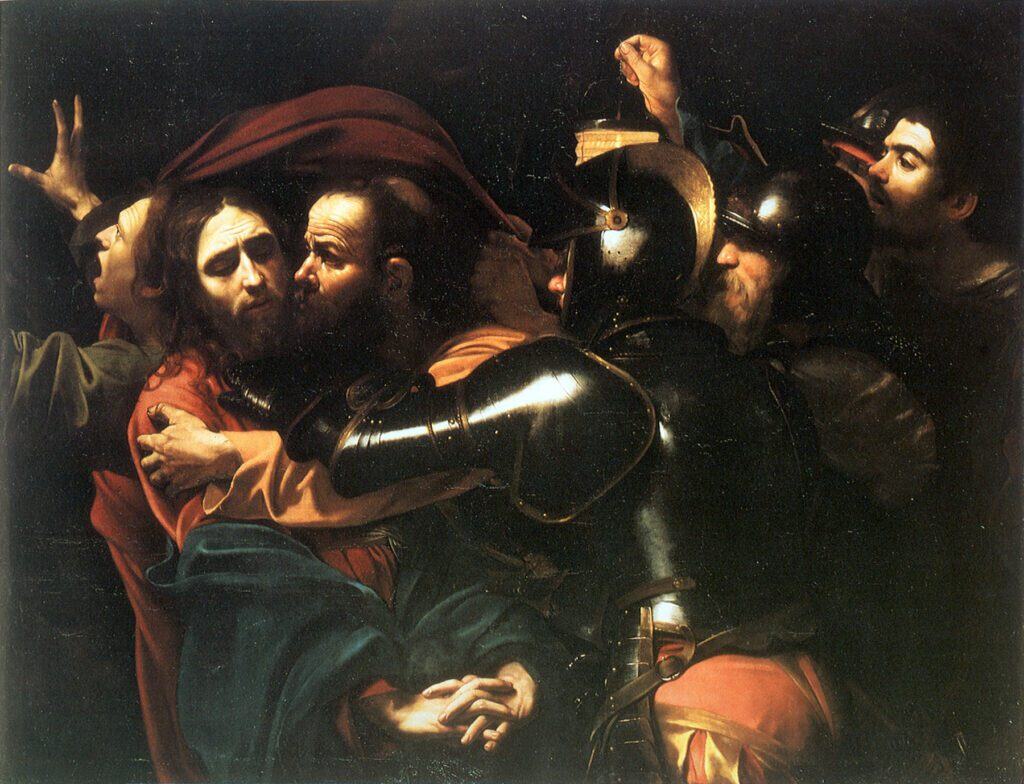
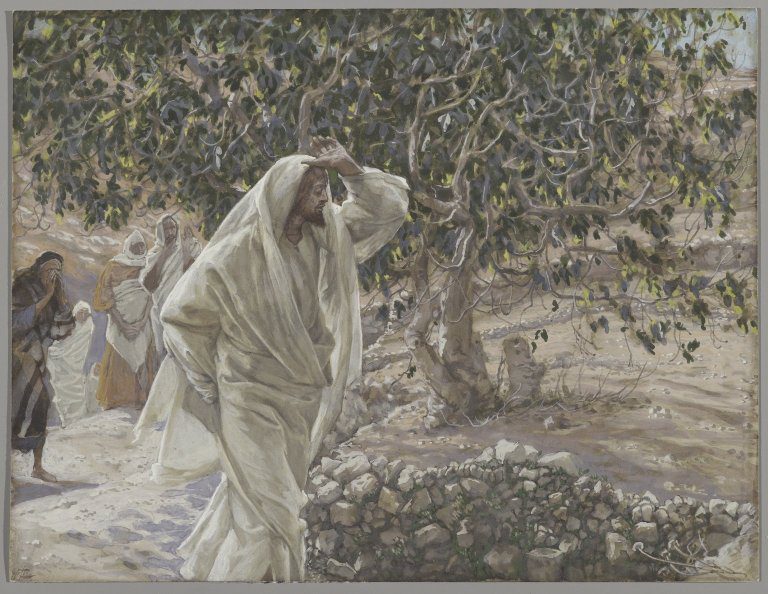
This is the second day of Holy Week, on which, in some churches, the imprisonment of Jesus is remembered, and in others, the Story of Jesus cursing the Fig Tree is retold.
Terça-Feira Santa (Holy Tuesday)
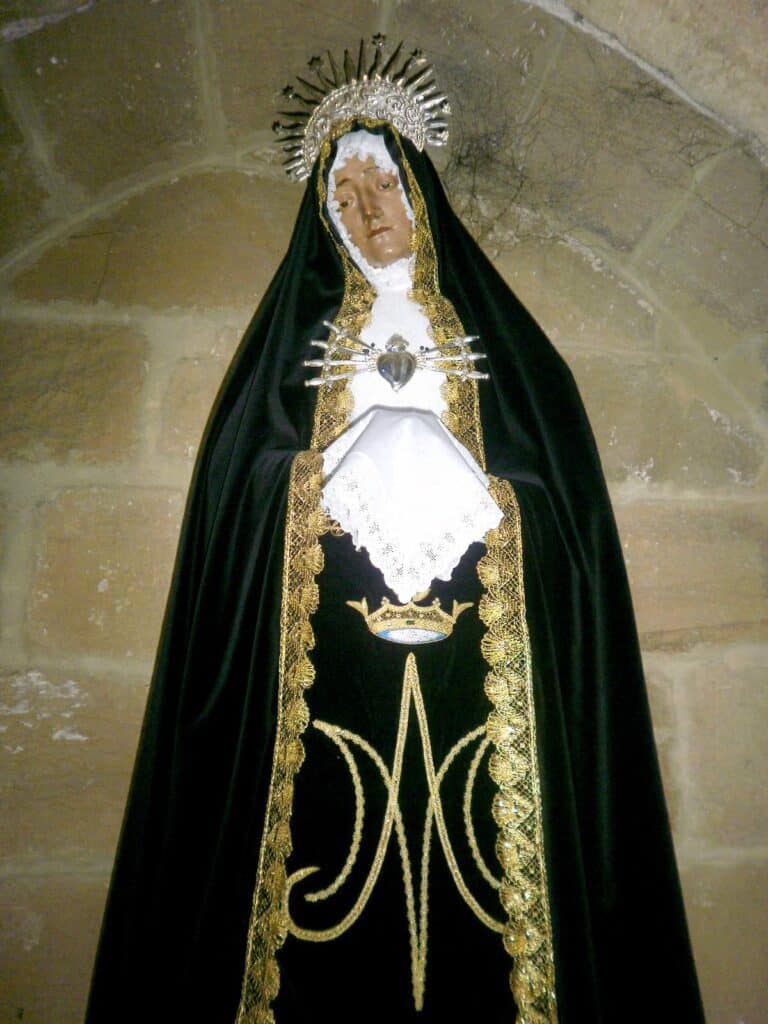
This is the third day of Holy Week, when the Seven Sorrows of the Virgin Mary are celebrated. Mary is always depicted with a heart and 7 swords piercing it. It’s also very common because it’s a day of penance on which Christian Catholics fulfil promises of various kinds. It is also the day of remembrance of the meeting of Jesus and Mary on the road to Calvary.
Quarta-Feira Santa (Holy Wednesday)
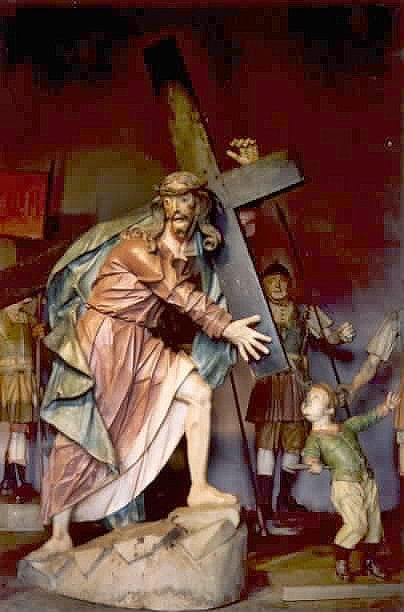
Wednesday is the fourth day of Holy Week. Some churches celebrate the procession of the meeting of Our Lord of the Steps and Our Lady of Sorrows on this day. Some churches also celebrate the Office of Darkness on this day, remembering that the world is already in darkness due to the proximity of Jesus’ death.
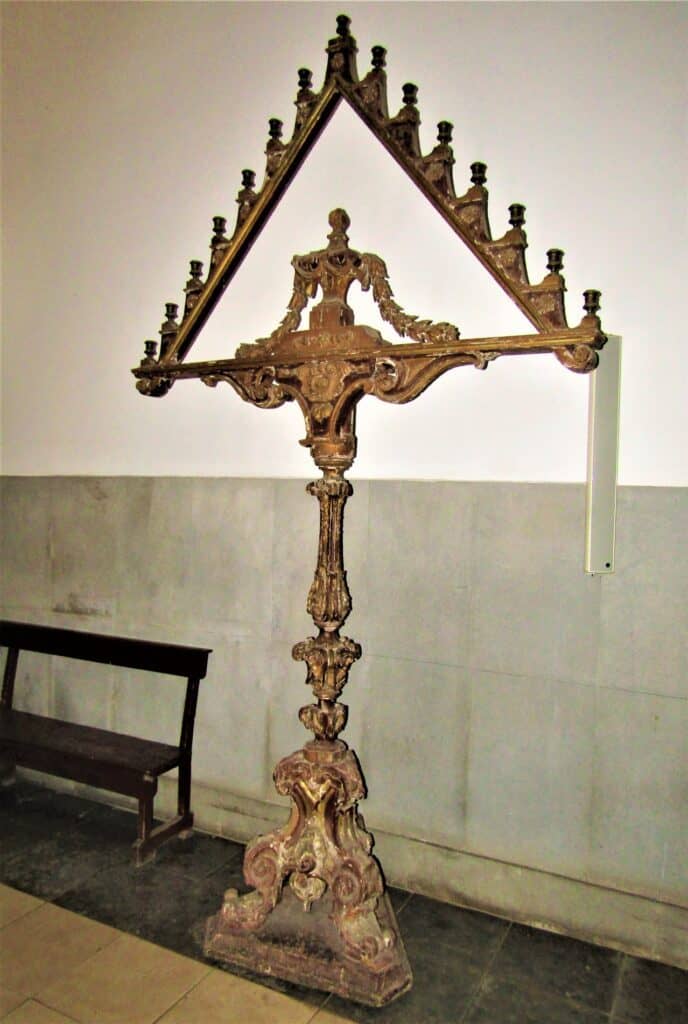
The ritual is one of the most memorable moments of this period and a tradition that dates back to the Middle Ages.
Quinta-Feira Santa (Holy Thursday)
As mentioned earlier in this post, Holy Thursday is one of the highlights of Semana Santa. On this day, we celebrate Catholic Confirmations* in Portugal.
Also, the three gestures of Jesus are remembered: The Last Supper, the institution of the Eucharist and the example of washing the feet.
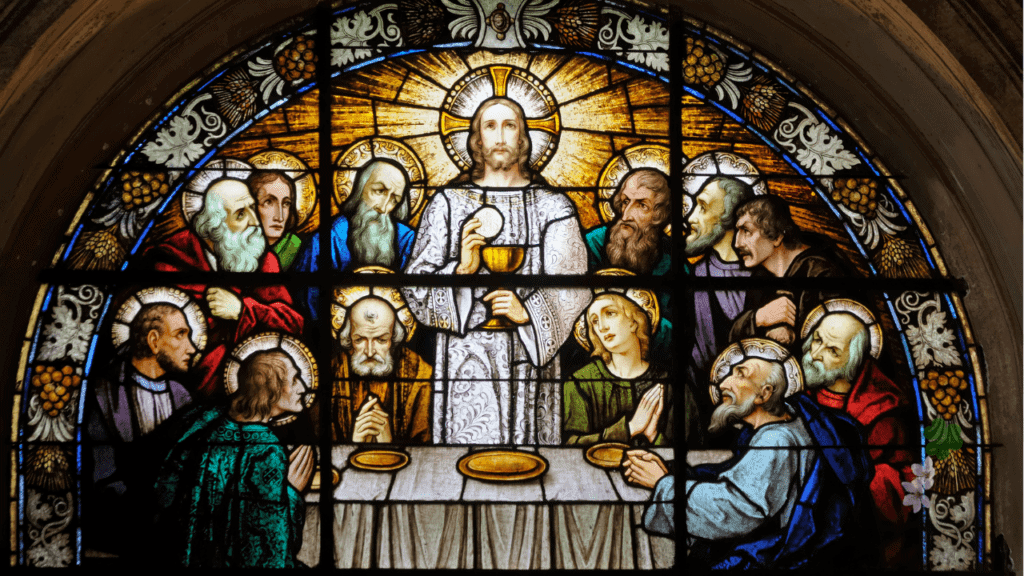
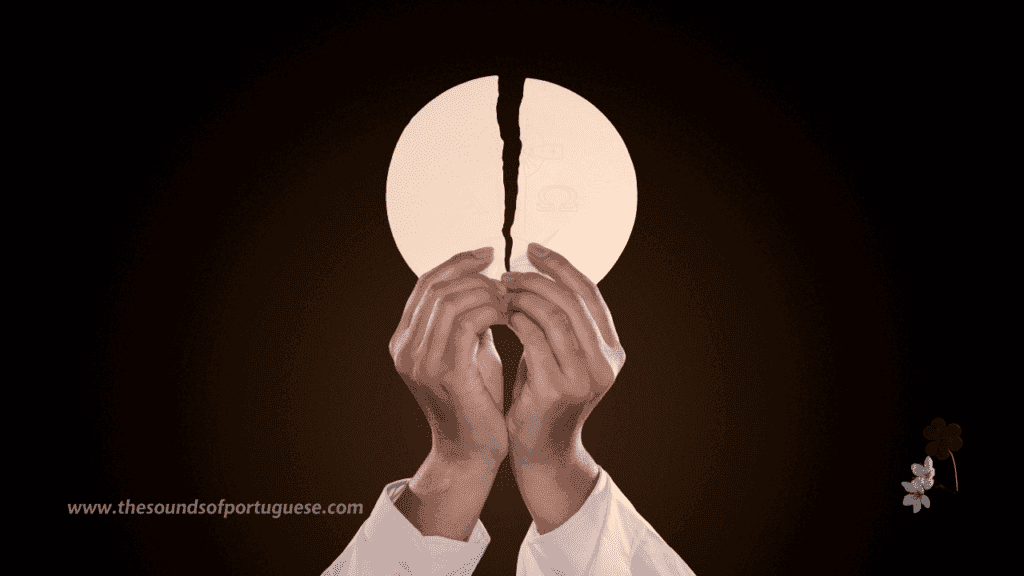
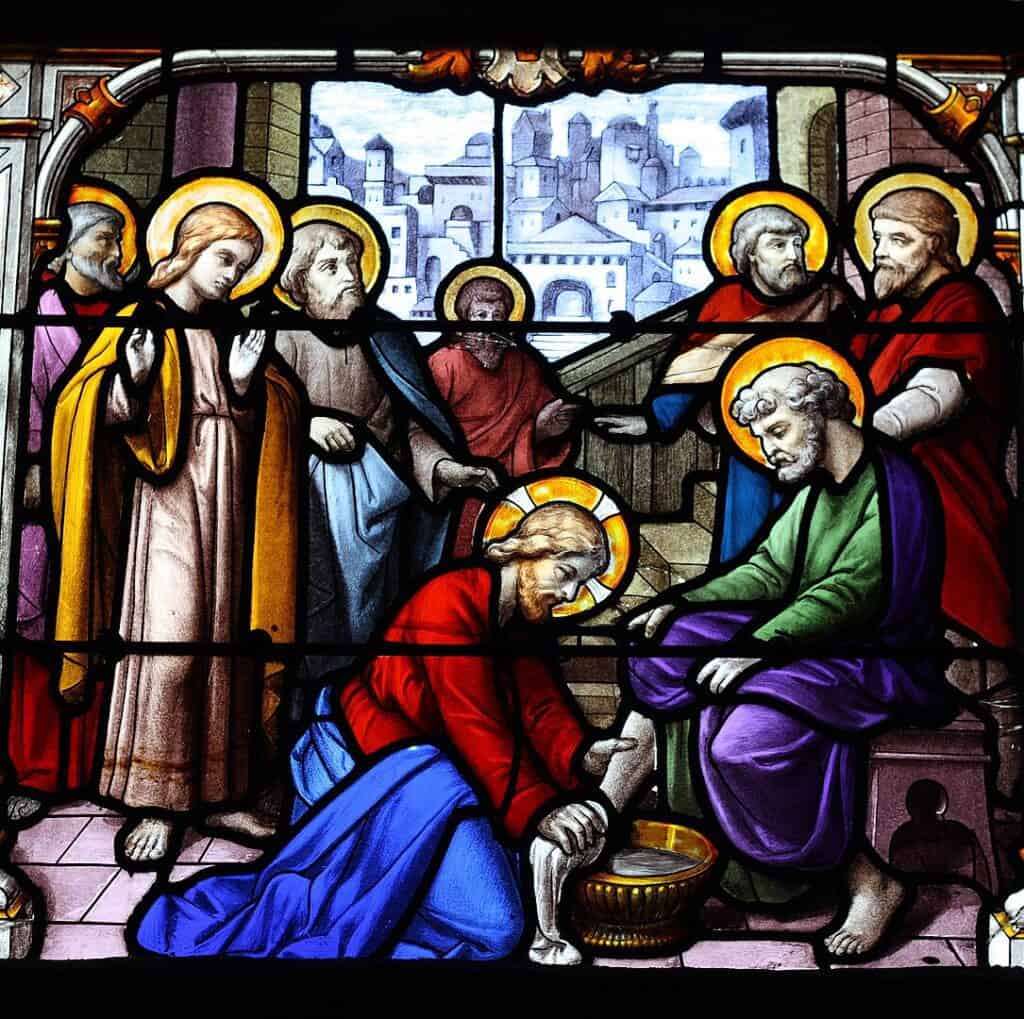
It’s also on this day that we remember the imprisonment of Jesus after the Last Supper (instead of on Holy Monday).
*Catholic Confirmation, called Crisma in Portugal, is a sacrament in which a baptised person receives the fullness of the Holy Spirit. It strengthens the grace received in Baptism and deepens the person’s connection with Jesus and the Church. The Church often describes it as a “personal Pentecost”, where the Holy Spirit gives strength to live the Christian life and witness to the faith.
Sexta-Feira Santa (Good Friday)
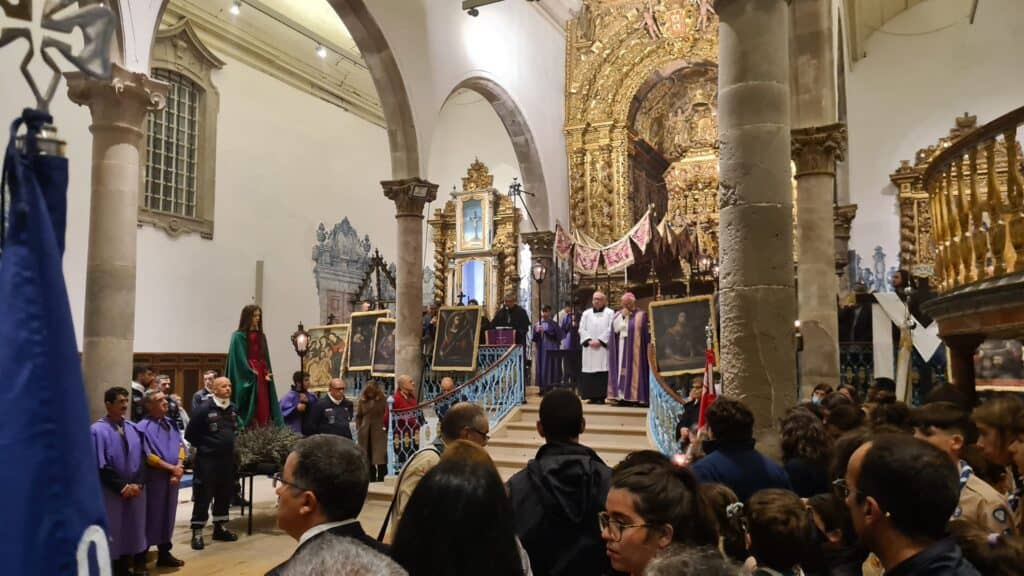
Good Friday is when the Church remembers the death of Jesus. The Solemn Liturgical Action, Passion and Adoration of the Cross are celebrated. In Tavira, we mark this day with a nighttime candlelit procession. The remembrance of Jesus’ death consists of four moments: the Liturgy of the Word, the Universal Prayer, the Adoration of the Cross, and the Communion Rite.
Sábado de Aleluia (Holy Saturday)
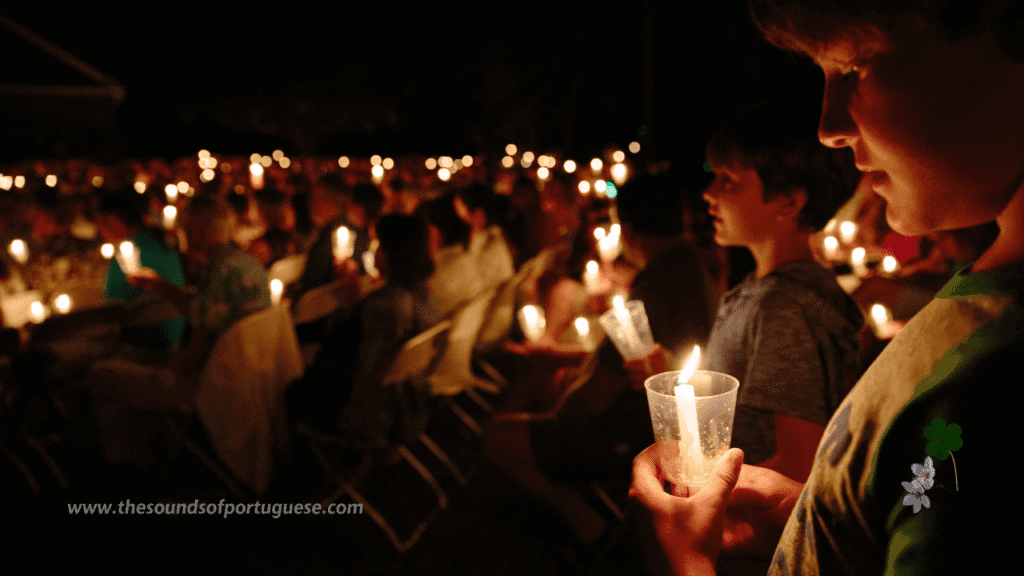
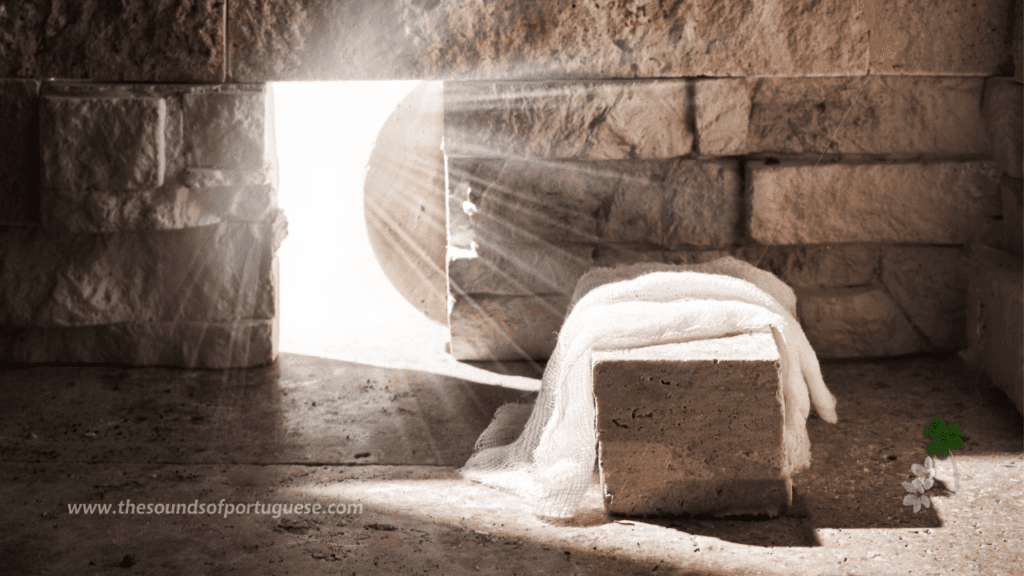
This is the day of waiting. Christians at the tomb of Jesus await his resurrection. At the end of this day, the Solemn Easter Vigil is celebrated.
We also celebrate baptism for those adults who have prepared themselves throughout Lent (Quaresma). The celebration ends with the Liturgy of the Eucharist, the pinnacle of all the Masses.
Domingo de Páscoa (Easter Sunday)
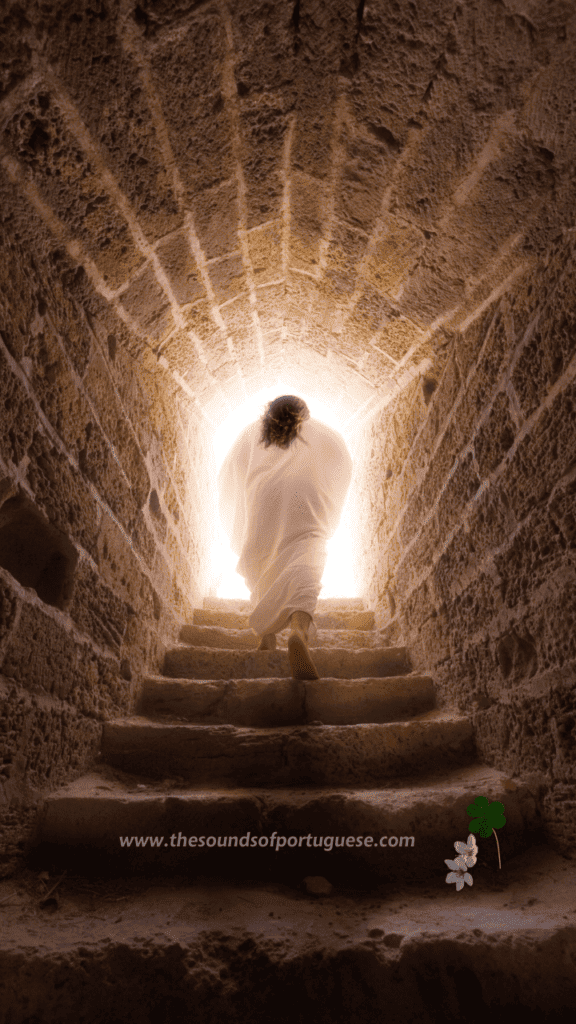
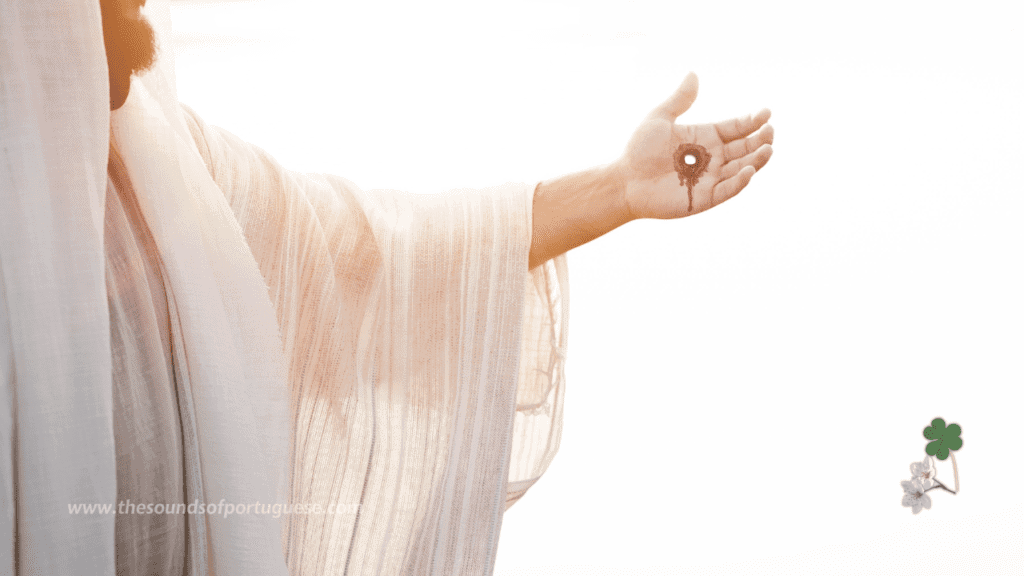
Easter Sunday is the most important day for the Christian faith, because Jesus conquers death, rises again and shows the value of life. This day is extended for another fifty days until Pentecost Sunday. Read the main post about Easter in Portugal for more information.
Segunda de Páscoa (Easter Monday)
This is a date that we don’t have in Portugal. However, in some regions of Alentejo, it is traditional to save Easter Monday for a family picnic. This consists of a trip to the countryside (to celebrate spring). One brings the typical lamb roast on an earthenware tray with new potatoes and places it on the square tablecloth with the remaining Easter delicacies.
How do you celebrate Holy Week in your country?