
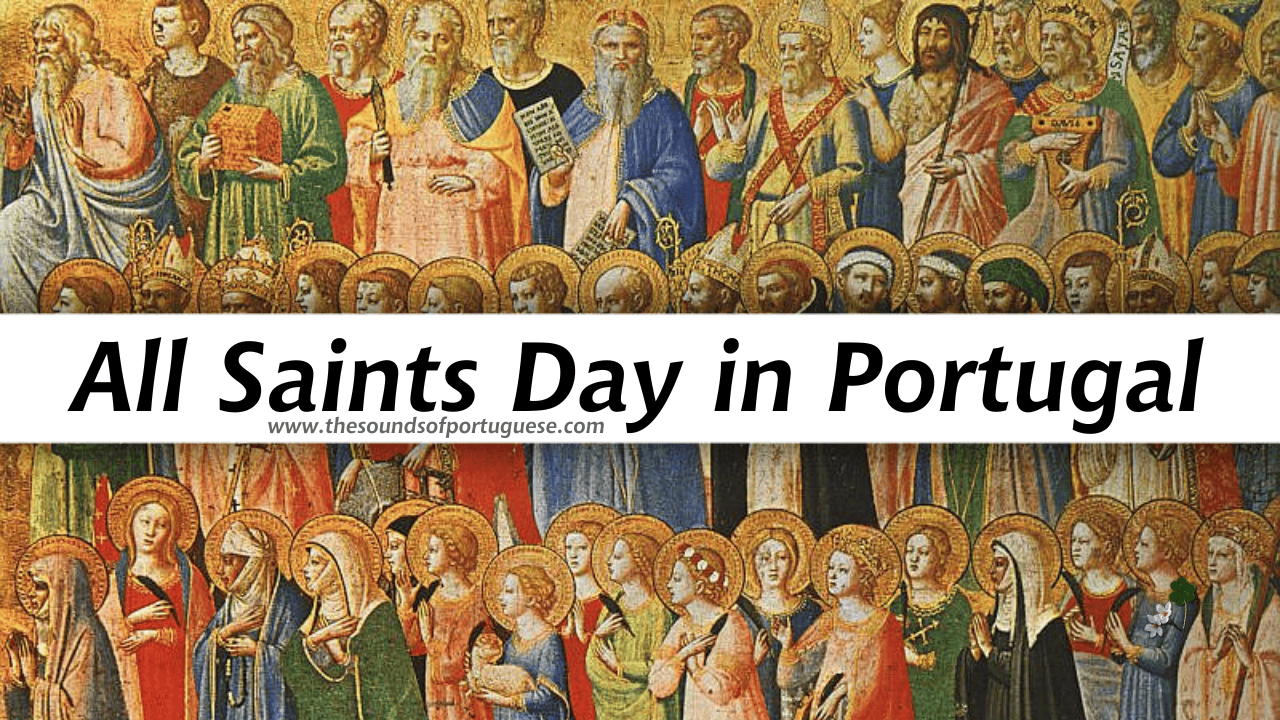
In Portugal, All Saints’ Day is celebrated on the 1st of November, just like in many other Western countries. This important holiday, o Dia de Todos os Santos, features various cultural and religious traditions. Some of these traditions are slowly fading away. The most significant custom in Portugal involves visiting the graves of loved ones in cemeteries to tidy them up and pay respects. Families often bring flowers to honour those who have passed. Flowers play such a vital role in this celebration that some online shops offer special floral arrangements specifically for All Saints’ Day.

All Saints vs Halloween
All Saints’ Day (O Dia de Todos os Santos) is a centuries-old tradition in Portugal. Halloween (the modern version) is gaining popularity, especially in expatriate areas. A few years ago, children only imagined carving pumpkins and saying “trick or treat.” Now, shops are filled with Halloween costumes and decorations. Children in Portugal eagerly join the festivities, collecting sweets and enjoying playful antics.
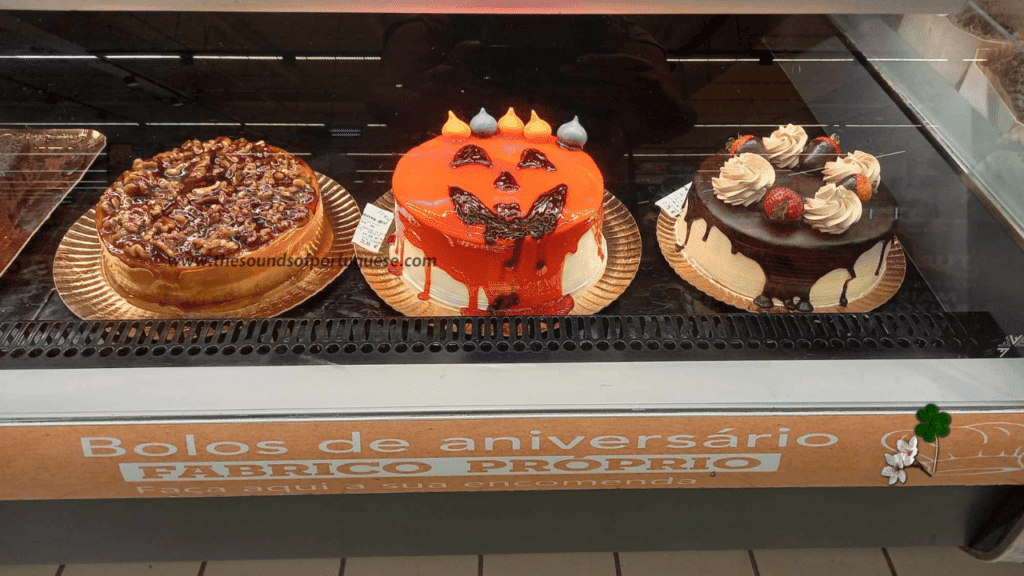
Pumpkin-themed Birthday Cake
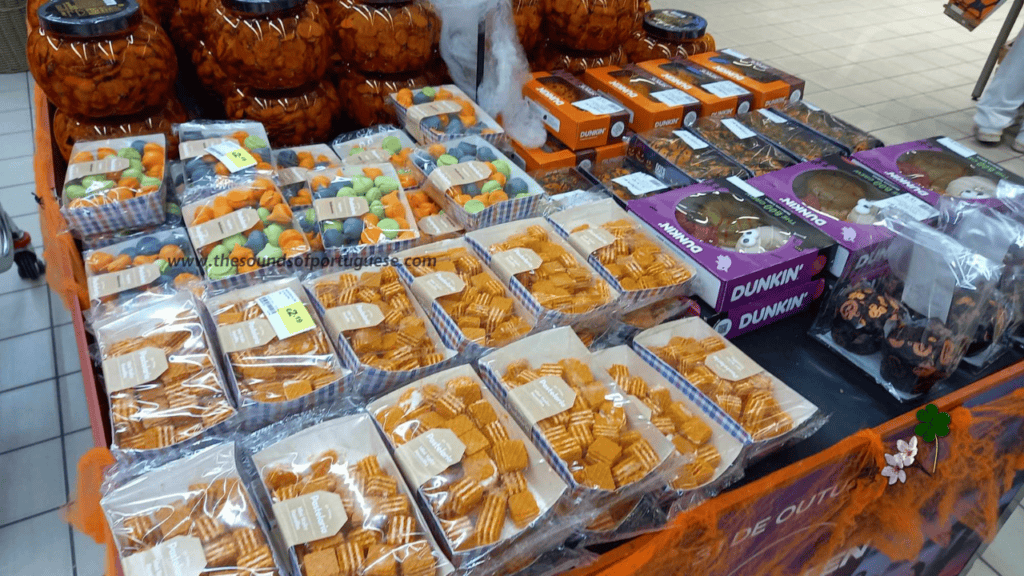
Jack O’Lantern muffins/ doughnuts/cookies
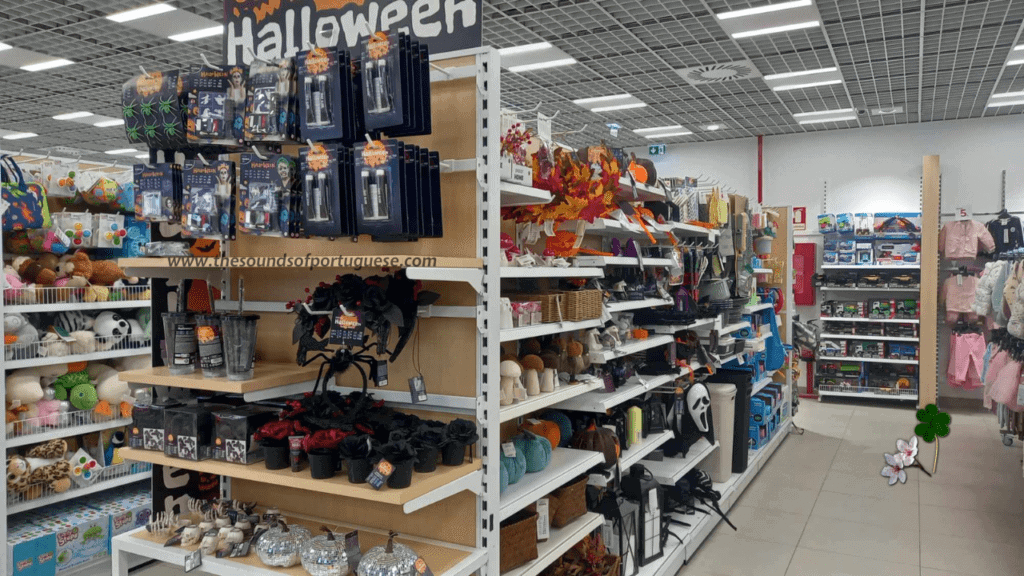
Halloween Decorations
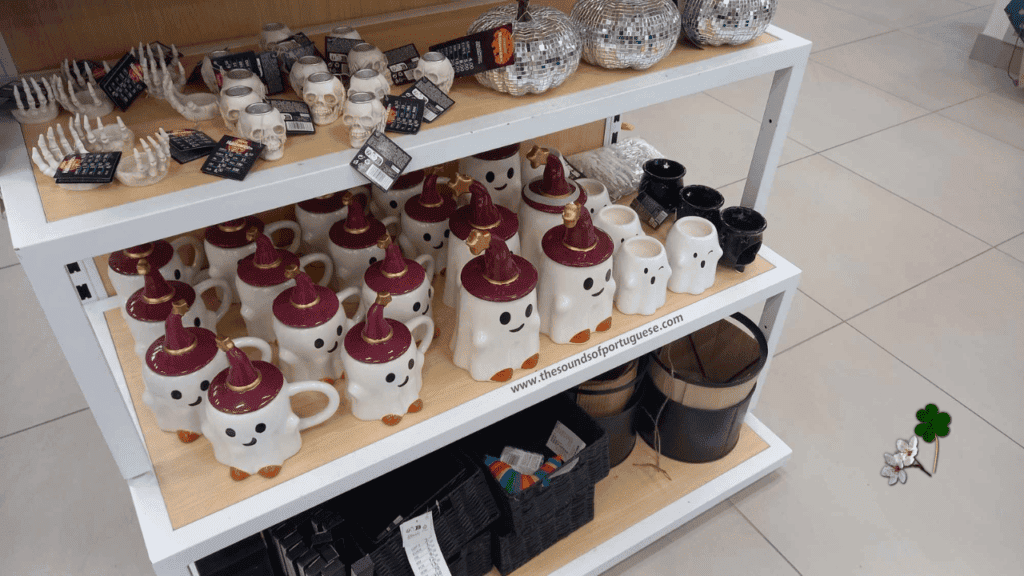
Halloween Decorations
However, it’s essential to note that in more rural areas, Halloween costumes are typically seen only in schools, often connected to English language lessons. Instead, the more traditional Pão por Deus—celebrated on November 1st—remains the most common way for children to ask for treats. This age-old custom, although reminiscent of Halloween, holds a unique significance in Portuguese culture.
Flowers for Todos os Santos
Nowadays, celebrating All Saints’ Day without flowers seems unthinkable. Flowers are at the heart of this Portuguese tradition. Participants typically decorate the graves of their loved ones with beautiful floral arrangements. But can any flower do, or are some more suitable than others? Traditionally, these are the most common flowers we choose for All Saints’ Day:
- Chrysanthemum: This flower is likely the most popular choice for All Saints’ Day. Symbolising joy, fidelity, and optimism, the chrysanthemum perfectly embodies the spirit of the day. The symbolism varies with colour, but white chrysanthemums are particularly appropriate for decorating graves, as they represent concepts like truth and loyalty.
- Orchid: Another beloved flower, orchids also carry different meanings based on their colour. For this religious holiday, white, purple, and green orchids are the most fitting. White orchids signify purity and reverence, purple orchids traditionally show respect, while green orchids symbolise good luck.
- Gypsophila: Less common but equally lovely, gypsophila, or baby’s breath, is another traditional flower for All Saints’ Day. Native to Europe, these flowers represent tenderness and innocence. They are visually appealing and easy to care for. Ideal for cemeteries, gypsophila can survive the colder months and thrive in sunny conditions.
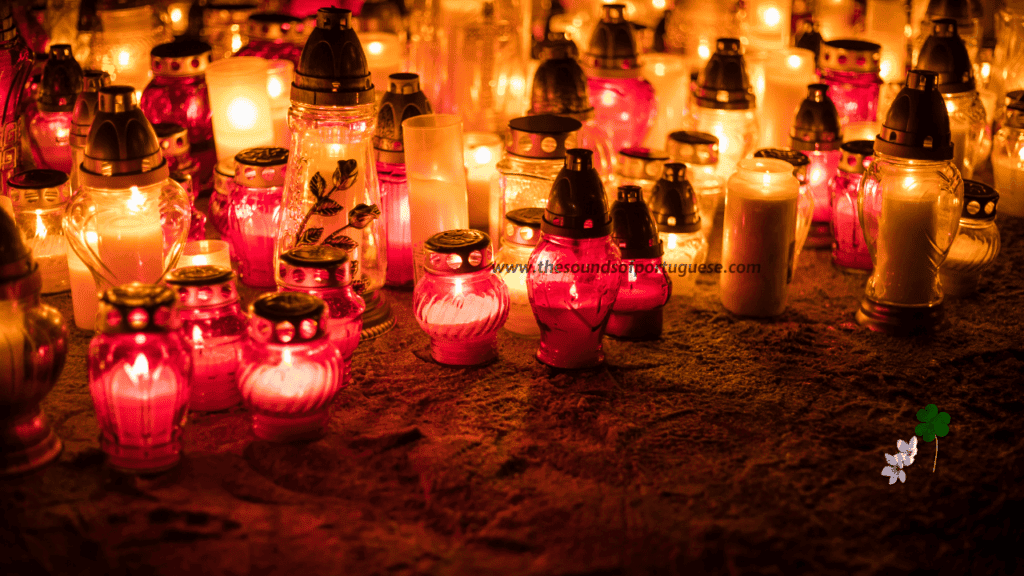
Velas

Chrysanthemum
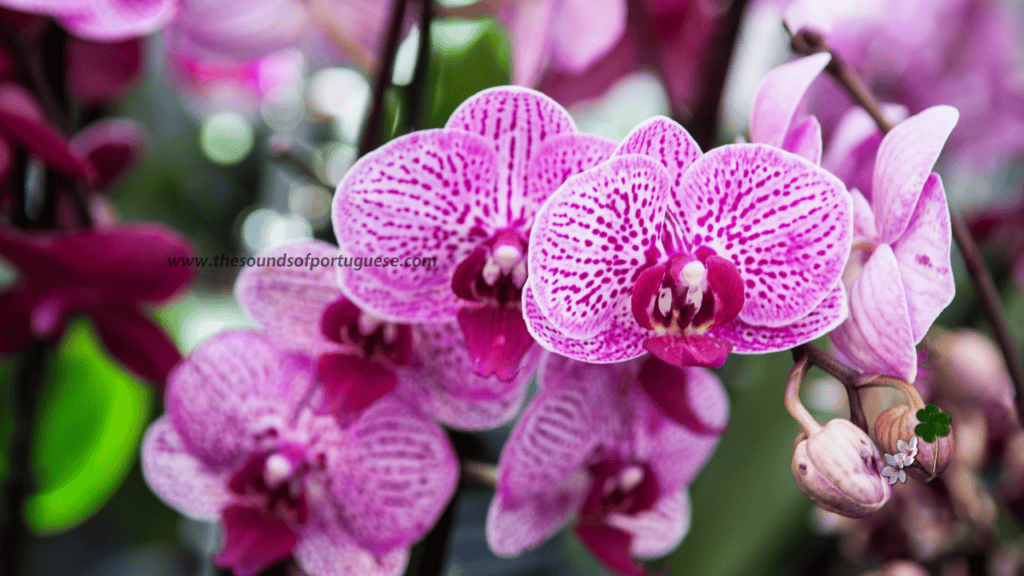
Orchid
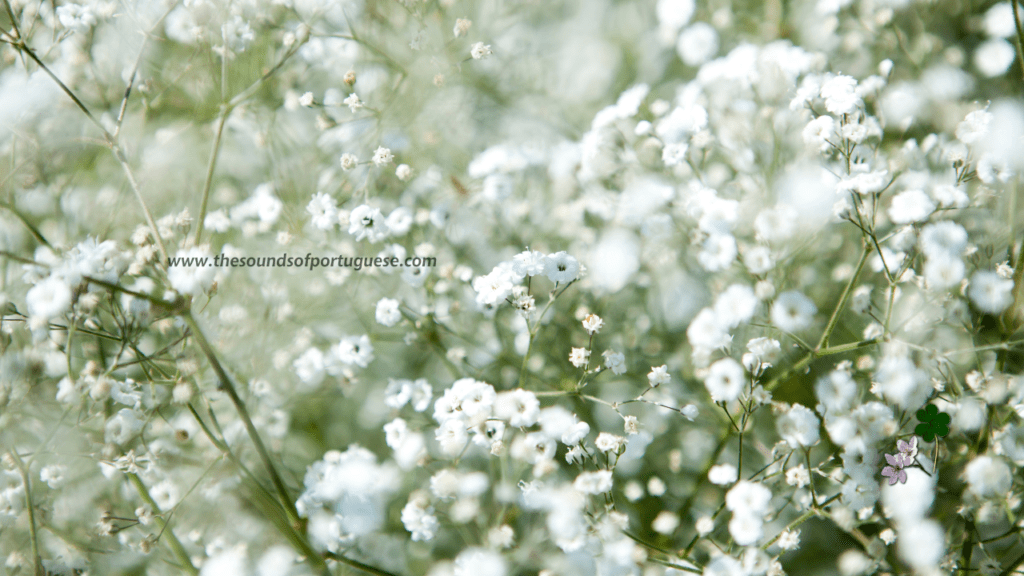
Gypsophila
Pão por Deus
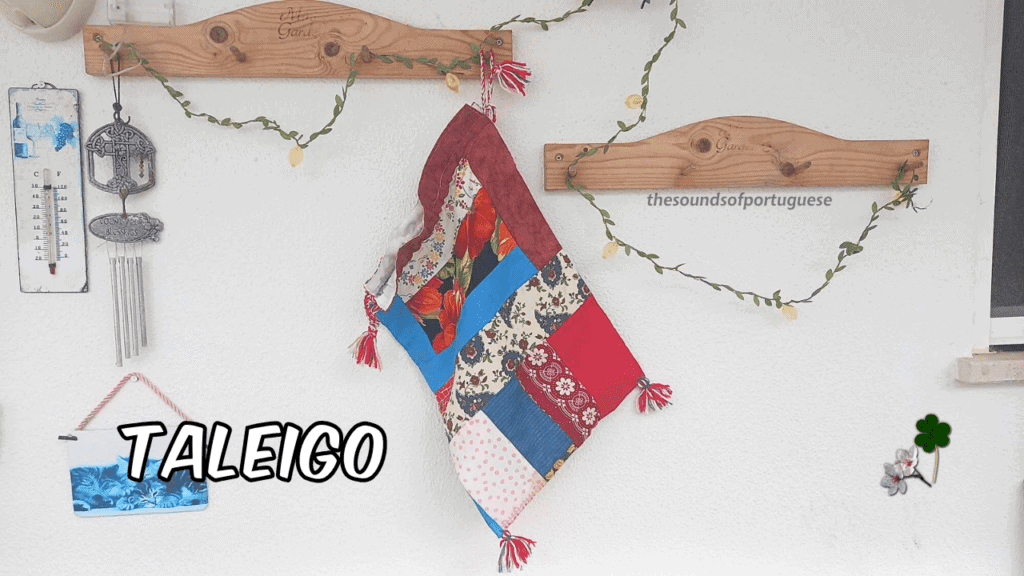
As Pão por Deus comes into play on the 1st of November, children take to the streets, asking door-to-door for treats, but unlike Halloween, they do so without costumes. Instead, they sing traditional verses unique to their region, often carrying bags of patchwork fabric known as taleigos to collect seasonal goodies such as sweet bread, apples, pomegranates, nuts, and chestnuts. This custom evokes a deep sense of community, with neighbours coming together to share in the joys of the day.
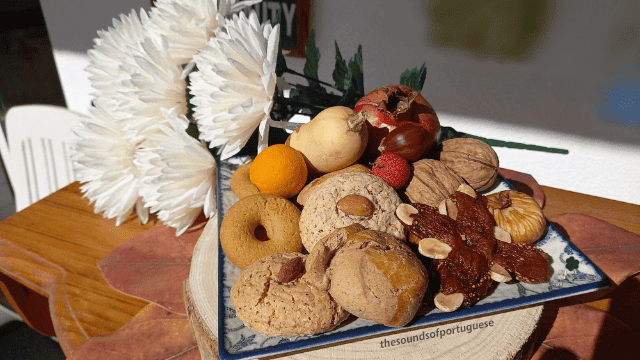
Pão-por-Deus
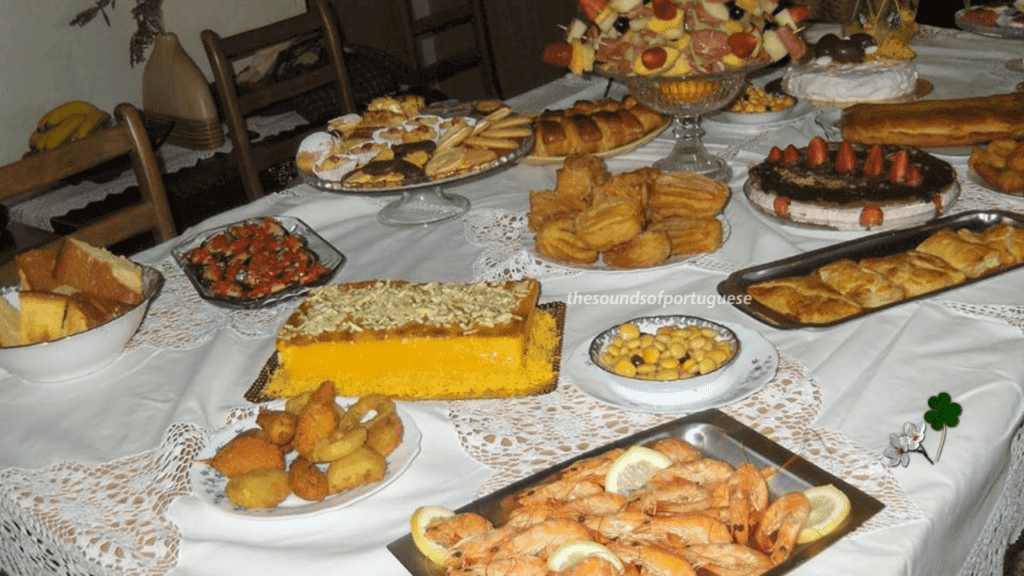
The celebrations are not complete without a feast of traditional delicacies. Families gather around tables filled with seasonal treats like sugar-coated dried figs, roasted chestnuts, and sweet bread studded with raisins, almonds, and honey. Most of them are infused with cinnamon and fennel. These dishes reflect the enduring influence of the land’s agricultural riches. An empty seat is set up and reserved for the departed. Some families leave the spread overnight to honour the dead.
Sweet Tradition in the Algarve
Here in the Algarve, the Pão por Deus tradition takes on a distinctly regional flavour. This is when you’ll start seeing fig-based sweets such as Estrelinhas de Figo and Figos Cheios. These fig and almond delicacies, often called ‘Santos,’ are prepared in the lead-up to All Saints’ Day and Dia dos Finados. After the autumn harvest, families craft these treats using the abundant local figs and almonds, offering them to children who go door-to-door on All Saints Day asking ‘pelos Santos‘ or ‘pelas alminhas‘. These sweet, roasted fig stars and stuffed figs are not only shared with friends and family but also form a cherished part of our region’s culinary heritage during this time of remembrance.
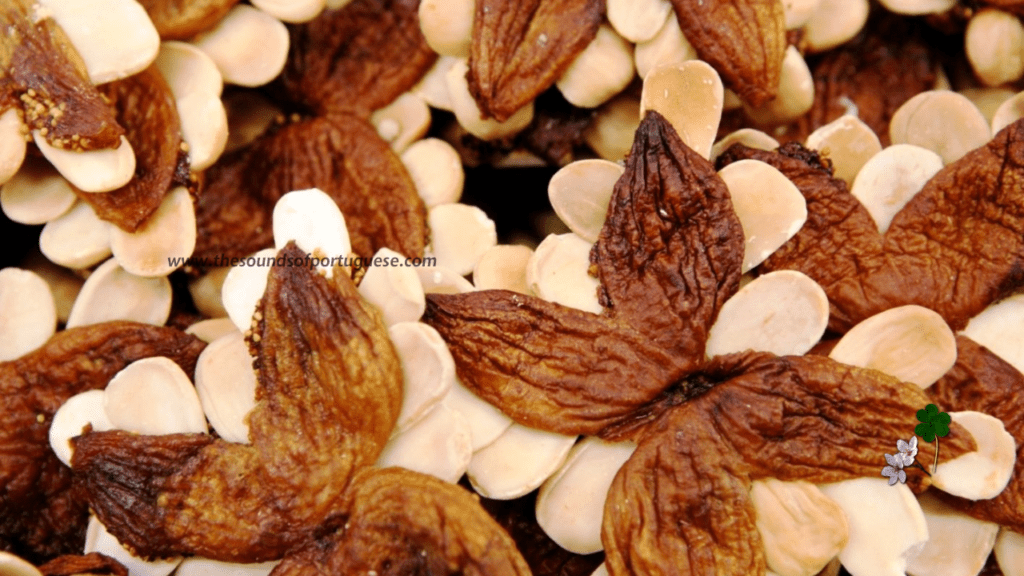
Estrelinhas de Figo
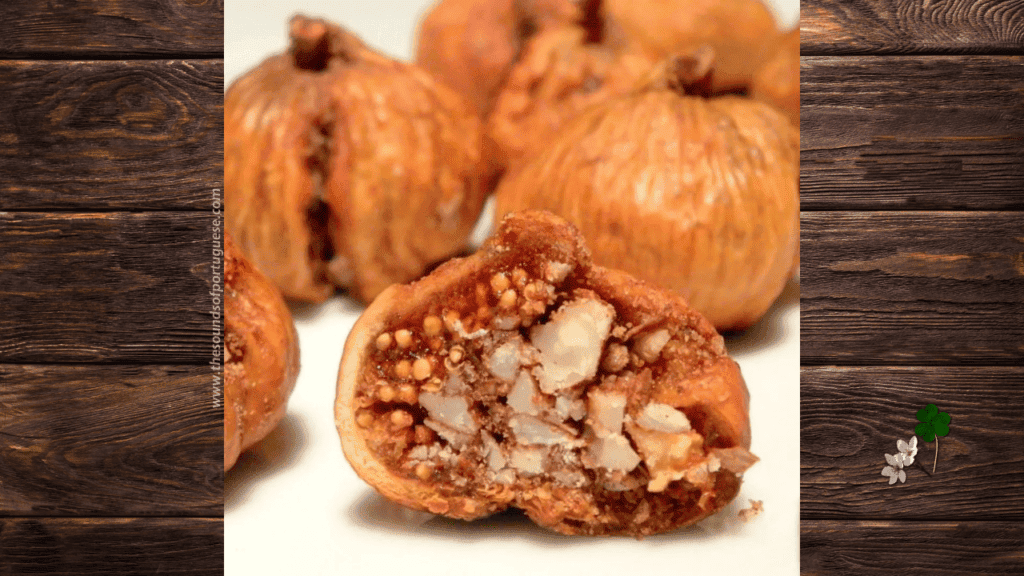
Figos Cheios